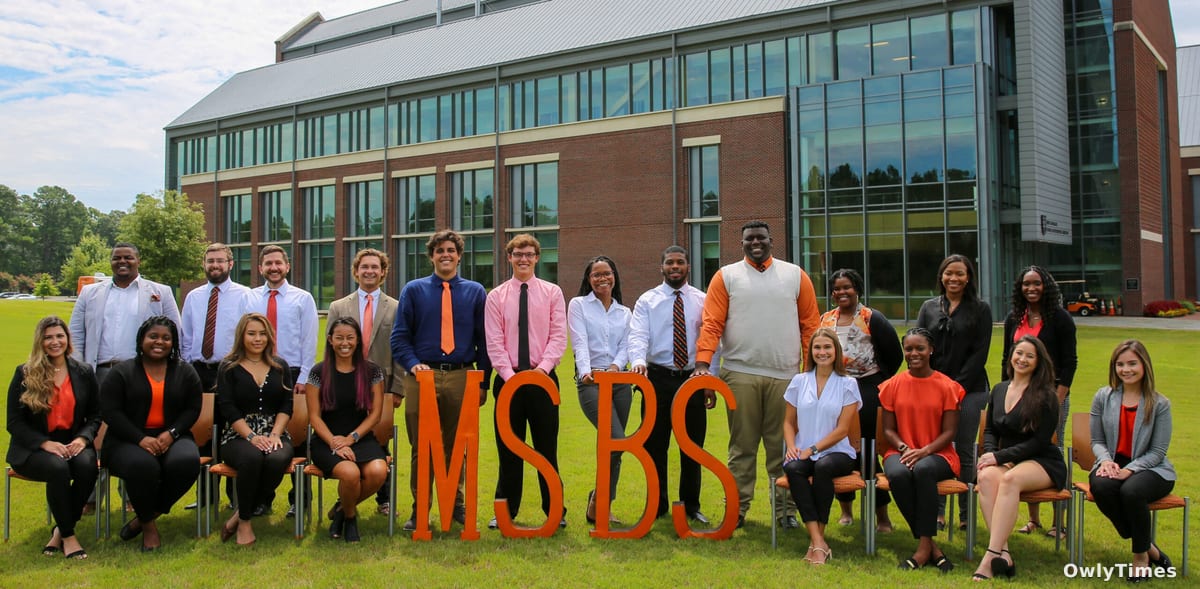

The pursuit of a graduate degree in the biomedical sciences requires more than just intellectual rigor; it demands a psychological adaptability that has been put to the ultimate test in recent years. As medical education transitions toward more hybrid and collaborative models, the recent cohort at the Jerry M. Wallace School of Osteopathic Medicine serves as a case study in how academic success is defined as much by resilience as by performance. According to the Campbell University announcement, these graduates were honored on May 10 for navigating a two-year curriculum that was significantly reshaped by the broader global health landscape.
Redefining Academic Success Amid Uncertainty
While headlines often focus on institutional prestige or research output, the reality of the Master of Science in Biomedical Sciences (MSBS) program is rooted in the granular, day-to-day adjustment of its students. Sheri Daily, assistant director of the program, noted that the cohort’s success was predicated on their ability to pivot between virtual learning platforms and traditional study habits. The study of medicine, historically rigid and lecture-heavy, was forced to become flexible during the pandemic era. For these students, success meant finding new, creative ways to form study groups when physical proximity was restricted.
The narrative here is not merely one of overcoming the COVID-19 pandemic, but of the maturation of the scientific student. Emmanuel Ayeni, a program graduate and Minority Association of Pre-Medical Students (MAPS) secretary/treasurer, emphasized that the interpersonal relationships formed under these constraints were as vital as the core curriculum. This aligns with findings in medical education research regarding the importance of "communities of practice," where the social bond between students acts as a scaffold for complex scientific understanding.
The Human Element in Medical Training
What the data from this cohort suggests is that academic distinction—represented by awards such as Highest Academic Distinction—is increasingly linked to collaborative rather than purely competitive environments. Scott Buchanan, who earned the highest distinction and is set to enter the medical school in the fall, identified the transition back to in-person learning as a pivotal memory. This sentiment was echoed by Jessica King, who served as a Student Osteopathic Medical Association (Pre-SOMA) secretary/treasurer. Her experience highlights a shift toward smaller, more intimate learning environments that foster direct interaction with faculty.
Limitations to Consider and Future Outlook
It is important to view these outcomes within the context of a specific, small-scale program. While the resilience of these graduates is noteworthy, the sample size of the MSBS program at the Jerry M. Wallace School of Osteopathic Medicine limits the extent to which these findings can be generalized to larger, public university medical programs. The "intensity of classwork" mentioned in the source material is subjective, and the metrics for "academic prowess" are localized to this specific institution’s internal standards.
The next indicator to watch will be the matriculation rates of this cohort into doctoral-level medical programs. As these students transition from the MSBS program into the next phase of their clinical training, their performance will provide a measurable signal regarding the efficacy of the adaptive, resilience-focused curriculum utilized during their graduate studies. The next reading of enrollment figures for the Jerry M. Wallace School of Osteopathic Medicine will determine how effectively these students have bridged the gap between foundational biomedical science and clinical practice. For more information on the standards of osteopathic training, one can visit the American Association of Colleges of Osteopathic Medicine.





