
The rapid integration of technology into every facet of our lives presents both immense opportunities and complex questions, particularly within critical healthcare settings. One such area where innovation intersects with profound ethical and practical considerations is the "tele-ICU." At its heart, the scientific question is this: can remote critical care deliver equivalent or superior patient outcomes compared to traditional, in-person intensive care, especially when life hangs in the balance?
This urgent question was tragically underscored in August 2024, when 26-year-old Conor Hylton checked into Bridgeport Hospital in Connecticut. After being transferred to critical care overnight, he died. It was only after his death that his family learned Conor had been treated in a tele-ICU, a revelation that brings into sharp focus the broader implications of a practice that has grown significantly despite a notable gap in robust outcome research, as highlighted in a recent NPR report.
Defining Remote Critical Care and Its Reach
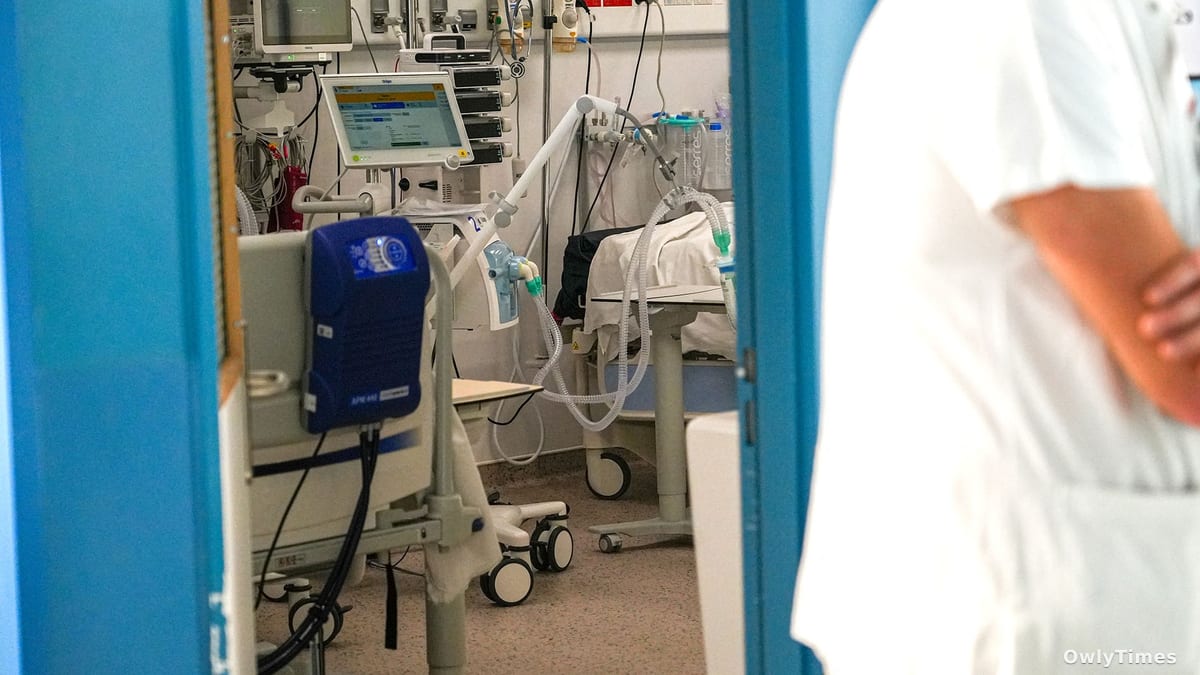
A tele-ICU is essentially a hospital unit where patient care is managed by doctors, nurses, or specialists who are located off-site. These remote teams typically monitor multiple ICU beds, leveraging video, vital sign data, and electronic health records to guide care. The prevalence of this model is significant: up to a third of all ICU beds in the U.S. now operate within a tele-ICU framework, according to a study from the American Hospital Association. This widespread adoption suggests a perceived benefit, often related to resource allocation and access to specialized expertise.
The operational reality of tele-ICUs varies. In Wisconsin, for instance, as of May 1, critical care physicians are no longer physically present in the ICUs of several Ascension satellite hospitals. Instead, they provide support via video calls to bedside nurses and on-site hospitalists—doctors who specialize in general hospital medicine but not necessarily critical care. This arrangement is often championed as a way to extend specialized critical care services to facilities that might otherwise lack them, particularly in rural or underserved areas, potentially expanding and improving the healthcare people receive.
What Research Actually Reveals About Outcomes
It is critical to distinguish what the existing research actually tells us versus what assumptions might be made. While the American Hospital Association study provided valuable data on the prevalence of tele-ICUs, indicating their widespread integration into the U.S. healthcare system, the broader scientific literature, as the NPR report notes, reveals a concerning "lack of substantial research about its outcomes." This means that while we know tele-ICUs are extensively used, there isn't a corresponding body of high-quality evidence definitively demonstrating their impact on patient mortality, length of stay, or complication rates compared to traditional ICU care. Headlines often focus on the technological advancement or the promise of expanded access, but the rigorous, outcome-focused data remains largely elusive.
The tension lies in the undeniable opportunity these facilities present to expand and improve healthcare access, particularly for complex critical care needs. However, this must be weighed against the potential risks inherent in replacing in-person care during the most critical, life-or-death moments. The absence of a physical critical care physician, even with remote oversight, raises questions about the immediacy of interventions, the subtleties of bedside assessment, and the potential for communication gaps between remote and on-site teams.
Limitations to Consider in the Current Landscape
The most significant limitation in evaluating tele-ICU effectiveness is the aforementioned scarcity of robust, comparative outcome studies. Without randomized controlled trials or large-scale observational studies that meticulously track patient outcomes across various tele-ICU models against traditional ICUs, it is challenging to draw definitive conclusions about patient safety and efficacy. Furthermore, existing studies often suffer from methodological inconsistencies, making it difficult to synthesize findings and establish best practices. The nuances of critical care, which often demand rapid, hands-on intervention and a deep understanding of non-verbal cues, are particularly difficult to assess remotely, and current research has not adequately addressed these complexities.
The Path Forward: Rigor and Responsibility
Moving forward, the imperative is clear: we need significantly more rigorous, outcome-focused research to fully understand the impact of tele-ICUs on patient care. This includes comprehensive studies that evaluate not just mortality rates, but also patient satisfaction, long-term functional outcomes, incidence of medical errors, and the experience of both on-site and remote healthcare providers. Such research is vital for informing clinical guidelines, shaping regulatory policies, and ensuring that technological advancements truly serve the best interests of patients.
These next research steps are crucial because they will provide the empirical data necessary to either validate the benefits of tele-ICUs or identify areas where improvements are desperately needed. As healthcare systems continue to grapple with workforce shortages and the demand for specialized care, platforms like the 1A+ platform provide valuable public discourse, but the scientific community must deliver definitive answers. The ultimate goal is to ensure that while technology expands access to critical care, it never compromises the quality or safety of that care, especially for patients like Conor Hylton who are in their most vulnerable moments.