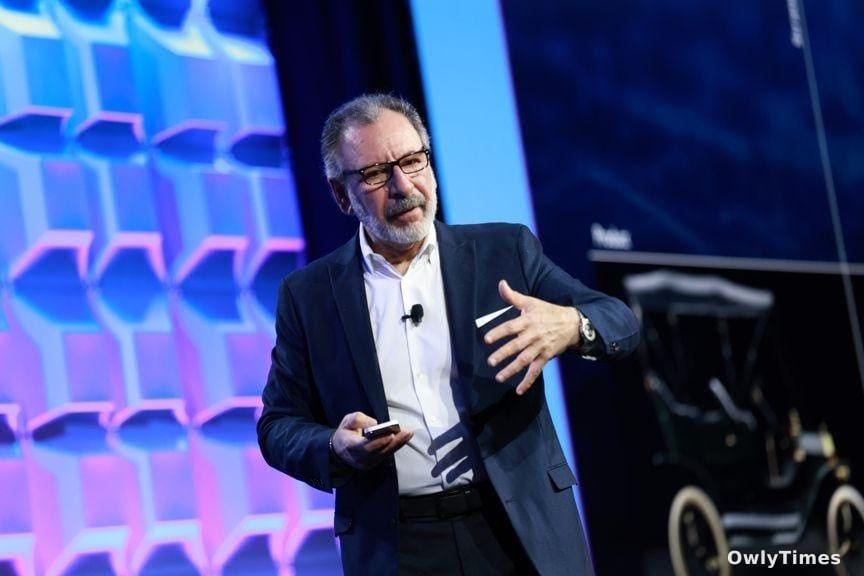

The transformation of modern medicine is frequently framed as a series of breakthroughs in pharmacology or surgical robotics, yet the most profound shift currently underway has nothing to do with the scalpel or the pill. It is a fundamental reconfiguration of the patient-provider relationship, driven by the collapse of traditional information silos. Thomas Koulopoulos, CEO of the Delphi Group, argues that we are witnessing the end of an era where healthcare is defined by institutional gatekeeping. Instead, we are entering a period where the patient becomes the central node of their own care, armed with data that outpaces the speed of the current administrative status quo.
The Shift from Institutional Control to Patient Advocacy
The traditional healthcare model relies on a fragmented architecture where medical history is sequestered across disparate insurers, pharmacies, and hospital systems. This leads to a common, yet systemic, failure: the inability of the average patient to aggregate their own health records over a decade in under five minutes. Koulopoulos proposes that the solution is the "digital advocate," an AI-powered personal twin that maintains a continuous, longitudinal record of an individual's health.
While headlines often tout AI as a diagnostic replacement for physicians, the study of these systems suggests a more nuanced reality. The technology is not currently designed to replace the clinician but to provide a contextual bridge that the current system lacks. By integrating lab results, imaging, and behavioral patterns into a single interface, the digital advocate allows patients to analyze their own trends and question anomalies in real-time. This is not a futuristic hypothesis; Koulopoulos already employs this architecture for his own medical management, effectively bypassing the logistical friction that plagues standard clinical encounters.
Limitations to Consider
It is critical to distinguish between the promise of these technologies and the reality of their implementation. While Koulopoulos envisions a rapid, five-to-ten-year horizon for this transition, the primary barrier remains cultural inertia. Institutions, much like legacy corporations in other sectors, tend to protect established workflows rather than adopting technologies that might threaten their existing revenue models. Furthermore, the reliance on patient-generated data—from wearables to at-home diagnostics—creates a significant challenge regarding data standardization and clinical verification. There is a wide gap between a device providing data in 72 hours, as seen in the comparison to multi-week hospital sleep studies, and that data being actionable within a clinical setting.
The Economic Fragility of Legacy Systems
The urgency for change is compounded by an economic landscape that Langdon Morris, a fellow futurist, describes as being in "cardiac arrest." The financial strain on hospital systems following the global COVID-19 pandemic has left many institutions with little margin for error. As medical advancements—such as the potential for cancer to become a manageable chronic condition—reduce the volume of acute care visits, the volume-based economics that underpin most hospitals will continue to erode.
When we consider these economic pressures alongside the aggressive entry of technology giants like Amazon, Apple, Google, and Meta into the healthcare space, the competitive threat becomes stark. These companies are already prioritizing the "process" of care over the "product," focusing on user experience and data integration in ways that traditional systems have historically neglected.
The Path Forward for Providers
The next steps for the healthcare industry are not found in avoiding these external influences but in actively integrating them. For providers, this means evolving from gatekeepers to orchestrators. The integration of "ambient listening" during consultations and the use of AI to translate clinical jargon into actionable, patient-centered language are immediate, measurable steps toward this goal. The trajectory of this industry will be dictated by how quickly traditional systems can transition from resisting external data inputs to embracing them as a core component of patient care. The next reading of the adoption rates for AI-assisted workflows within clinical settings will determine whether traditional providers remain the primary stewards of health or become secondary participants in a patient-led ecosystem.