
The intersection of high-performance athletics and psychological well-being is often obscured by the physical demands of the sport. While professional athletes are frequently viewed through the lens of their on-field prowess, the reality of their daily experience involves navigating pressures that mirror those faced by adolescents, particularly in an era defined by constant digital connectivity. Recognizing that May is Mental Health Awareness Month, the Arizona Cardinals shifted the focus from game-day statistics to the internal lives of their players by hosting a peer-to-peer support panel at the Dignity Health Training Center.
Bridging the Gap Between Athletes and Students
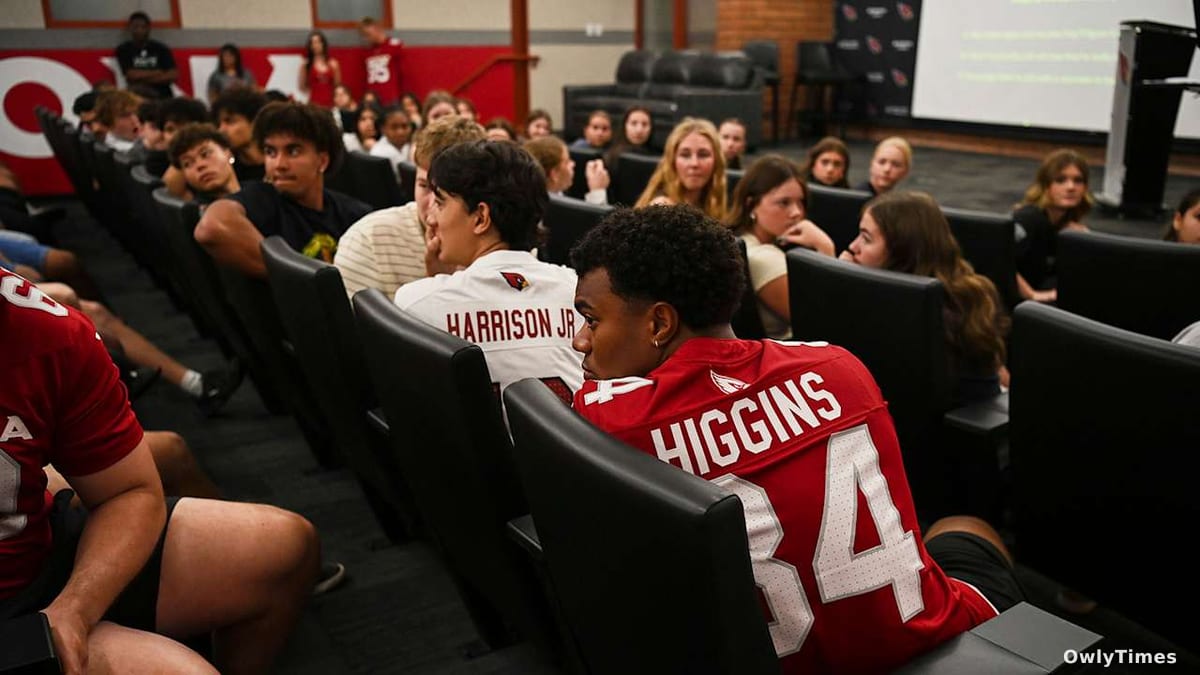
The event, organized in collaboration with the NFL initiative Character Playbook, brought together current players Trey McBride, Elijah Higgins, and Valentin Senn to engage directly with students from Red Mountain (Mesa) High School. By moving beyond the traditional podium-style lecture, the panel aimed to normalize the discussion of personal struggles. As the players entered the auditorium to the cheers of the students, the atmosphere quickly transitioned from typical fan-athlete excitement to a more focused, reflective environment.
The scientific question at the heart of this initiative is whether direct, relatable modeling of vulnerability can effectively lower the barrier to seeking help for young people. The headlines surrounding this event emphasize the "star power" of the attendees, but the actual function of the session was to provide a framework for stress management. For nearly an hour, the participants shared personal anecdotes not about their professional achievements, but about the specific challenges they encounter in their own lives.
The Role of Physicality in Mental Resilience
Following the discussion, the students moved to the indoor practice facility for an interactive session on how physical movement and structured activity serve as physiological tools for stress reduction. This component of the event aligns with the well-documented scientific understanding that physical activity can modulate the body’s stress response systems. By engaging in these exercises, students were encouraged to view movement not merely as training for a sport, but as a deliberate mechanism for mental regulation.
It is important to note the limitations of such outreach efforts. While panels like this are effective for destigmatizing conversations around mental health, they do not replace the need for long-term, clinical support systems. The impact of a single afternoon session on a student’s long-term mental health trajectory is difficult to quantify, and this event should be viewed as a starting point for engagement rather than a complete therapeutic intervention. The success of these initiatives often relies on the continuity of the dialogue back in the classroom.
Mentorship Across Generations
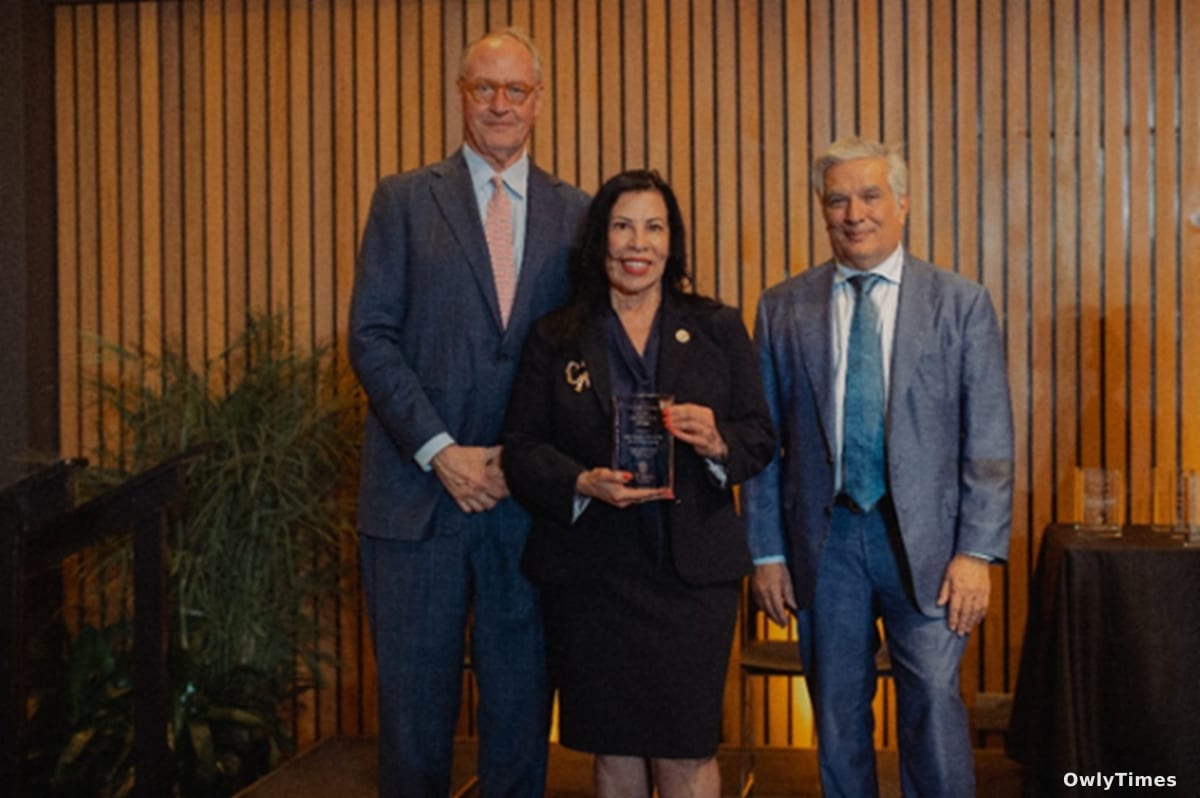
The presence of former players, including Michael Bankston, Earl Watford, and Hamza Abdullah, provided a vital longitudinal perspective on the challenges of life after professional sports. Bankston, in his capacity as the President of the NFLPA Phoenix Former Players Chapter, emphasized the necessity of checking on friends and maintaining community bonds. This intergenerational exchange highlights a critical shift in sports culture: the recognition that mental health is a lifelong practice rather than a temporary concern.
The next reading of the engagement metrics from the Character Playbook initiative will indicate whether these localized, athlete-led conversations correlate with a measurable increase in the utilization of school-based mental health resources. As McBride noted, the goal is to dismantle the illusion that success exempts an individual from struggle. By continuing to host these events, the Cardinals are attempting to institutionalize a culture of transparency that benefits both the students in the stands and the athletes on the field.