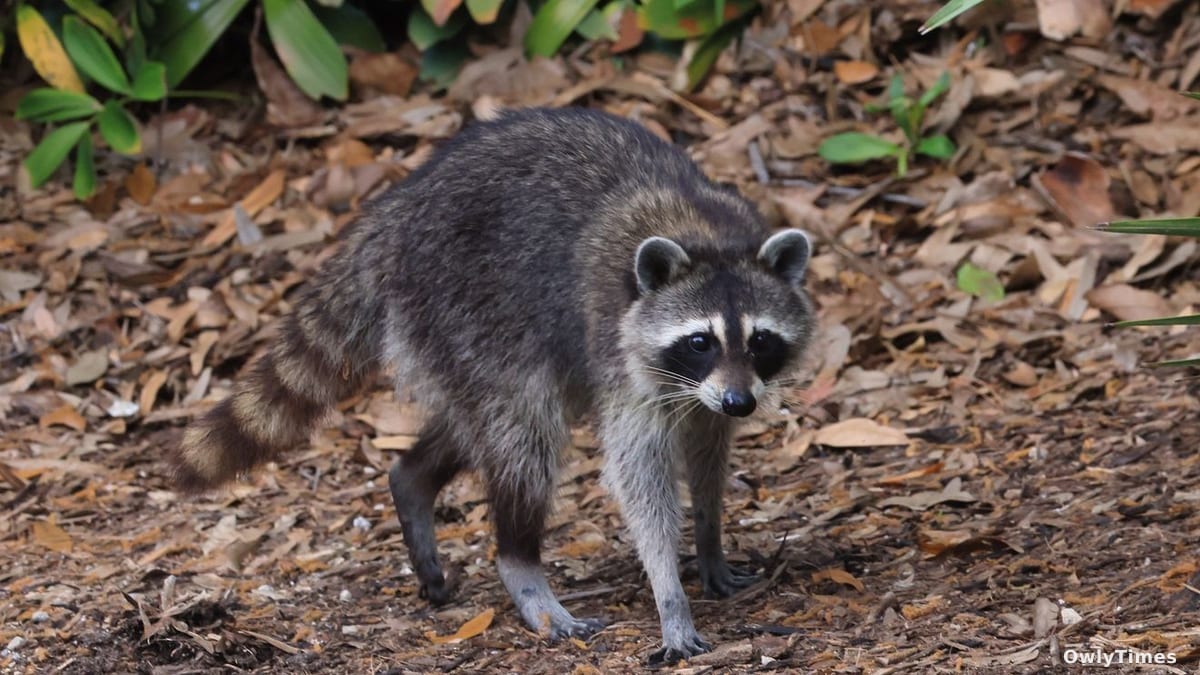

The recent confirmation of three rabid animals in Central Virginia – a raccoon in Bedford County and two skunks in Campbell County – isn’t simply a tally of infected wildlife. It’s a localized signal within a broader, and often overlooked, public health tension: the increasing overlap between human development and wild animal habitats, and the resulting risk of zoonotic disease transmission. While headlines understandably focus on the immediate threat to pets, the cases highlight a growing need to understand where these encounters are happening and why they’re increasing, not just react to them after the fact. The Virginia Department of Health (VDH) confirmed the cases between March 6th and 9th, but the story extends beyond those dates.
Beyond Pet Vaccinations: Mapping Risk in a Changing Landscape
The VDH’s immediate guidance – ensuring pets are vaccinated and avoiding contact with wild animals – is, of course, crucial. Rabies, caused by a virus attacking the nervous system, remains almost universally fatal once symptoms develop, and post-exposure prophylaxis is highly effective when administered promptly. However, framing the response solely around individual behavior overlooks a critical layer of preventative public health. The locations of these cases – Crestview Drive in the Forest area of Bedford County, Suburban Road and Bethany Road in Campbell County – aren’t random. These are areas experiencing residential expansion, bringing people and their animals into closer proximity with established wildlife populations. The VDH reported that all three animals had known or suspected contact with dogs, indicating domestic animals are acting as a bridge between the wild reservoir and potential human exposure. This isn’t a new phenomenon, but the rate of habitat fragmentation and subsequent human-wildlife interaction is accelerating.
What the Data Actually Shows: No Human Exposure, But a Rising Trend?
It’s important to note what the VDH hasn’t reported: no human exposures were identified in these specific cases. This is reassuring, but doesn’t diminish the significance of the findings. The absence of human cases doesn’t equate to a lack of risk. The VDH’s statement emphasizes reporting all animal bites to animal control or the local health department, a vital step in tracking potential exposures and initiating preventative treatment. However, data on bite reporting is notoriously incomplete. Many bites go unreported, particularly those considered minor, creating a blind spot in our understanding of the true prevalence of rabies risk. Furthermore, while three cases in a week might seem contained, it’s crucial to contextualize this within historical data. The VDH doesn’t currently publish easily accessible, granular data on rabies cases by county and date, making it difficult to determine if this represents a spike or simply normal seasonal variation. Nationally, rabies cases in wildlife have remained relatively stable in recent years, but the geographic distribution is shifting, with increases reported in certain regions.
Reporting from wset.com informs this analysis.
Limitations to Consider: Surveillance and Reporting Gaps
The current system relies heavily on passive surveillance – meaning cases are identified when an animal is tested after a bite or when a sick animal is reported. This approach is inherently reactive. A proactive surveillance program, involving targeted testing of wildlife in areas of high human-wildlife interaction, could provide a more accurate picture of the virus’s prevalence and distribution. Another limitation is the potential for underreporting of animal bites. Fear of veterinary costs, a lack of awareness about the importance of reporting, or the perception that a bite is minor can all contribute to this issue. The VDH’s reliance on public reporting, while necessary, is therefore subject to inherent biases. Finally, the focus on raccoons and skunks, while justified given their frequent involvement in rabies transmission, shouldn’t overshadow the potential for other wildlife species – bats, foxes, and coyotes – to also carry the virus.
The Next Steps: Predictive Modeling and Community Engagement
The immediate priority remains pet vaccination and responsible wildlife interaction. However, the long-term solution requires a shift towards predictive modeling and proactive community engagement. Researchers could leverage geographic information systems (GIS) to map areas of high human-wildlife overlap, factoring in data on land use changes, wildlife movement patterns, and reported bite incidents. This would allow public health officials to target surveillance efforts and educational campaigns to the areas of greatest risk. Equally important is fostering a dialogue with local communities about responsible coexistence with wildlife. This includes promoting secure waste management practices to reduce attractants, educating residents about the risks of feeding wild animals, and encouraging reporting of suspicious animal behavior. The question now isn’t simply if another rabid animal will be found in Central Virginia, but where and when the next encounter will occur, and whether we’ll be prepared to prevent it from becoming a human health crisis.





