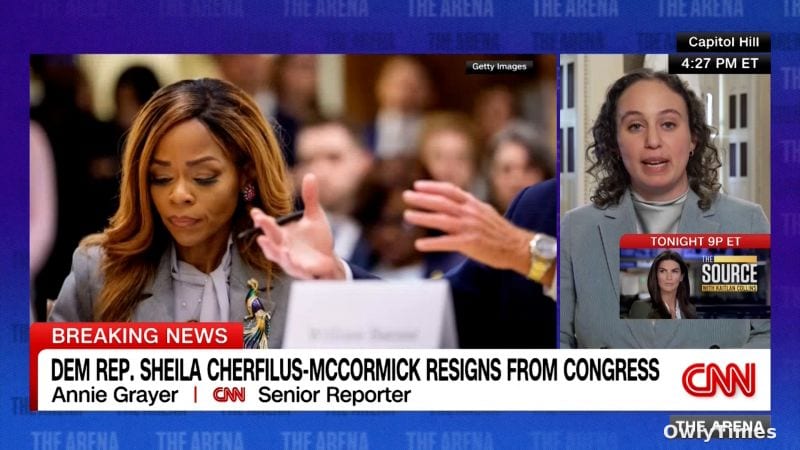

The strategic calculus behind the resignation of Sheila Cherfilus-McCormick is a textbook example of preemptive damage control in a hyper-partisan legislative environment. By stepping down from the U.S. House of Representatives on Tuesday just moments before the House ethics panel was scheduled to convene, the Florida Democrat effectively neutralized a high-stakes expulsion vote. This maneuver is not merely an exit; it is a calculated retreat designed to preserve whatever remnants of political capital remain by avoiding the ignominy of a formal removal process.
The Calculus of a Controlled Exit
In the high-pressure ecosystem of the Capitol, timing is the only currency that retains value when a career is in jeopardy. For Cherfilus-McCormick, the decision to resign on Tuesday was clearly dictated by the looming threat of the ethics panel. By withdrawing from the field, she successfully shifted the narrative from a forced ouster—which would have necessitated a floor vote and left her caucus vulnerable to opposition attacks—to a voluntary departure.
Who benefits from this rapid exit? The Democratic leadership, first and foremost. By avoiding a public expulsion proceeding, the party sidesteps the chaotic optics and the potential for a GOP-led referendum on the ethics of the Democratic bench. The loser, predictably, is the transparency of the ethics process itself. The committee’s investigation into the conduct of the representative was cut short, leaving the specific findings of the panel unaddressed and the public without the finality of an official report.
Historical Parallels in Legislative Survival
Legislative history is replete with members who chose to exit the stage rather than face the finality of an expulsion vote. Much like historical precedents where members have faced mounting pressure from internal ethics reviews, the move by Cherfilus-McCormick reflects a pragmatic, if cynical, understanding of the House’s internal power dynamics. When a vote on expulsion becomes inevitable, the institution often prefers a quiet resignation over the messy, prolonged public theater of a forced removal.
This is a classic defensive posture. By resignation, the member retains the ability to frame the narrative on their own terms, rather than having the final word written by an ethics committee’s findings. It serves as a stark reminder that in Washington, the ability to control the exit is often the final act of political agency.
Power Dynamics and the Institutional Vacuum
The resignation leaves a seat open in a Florida district, triggering a scramble for political control that will now be decided by the logistics of a special election. For the House ethics panel, this outcome presents a recurring frustration: the loss of jurisdiction. With the subject of the investigation no longer a member of the chamber, the committee’s mandate effectively expires, rendering moot the work that led to the Tuesday meeting.
The broader institutional tension here is the degree to which individual members can utilize the resignation mechanism to circumvent formal disciplinary actions. While the House retains the power to investigate, the practical deterrent of expulsion is softened when the target can simply walk away before the gavel drops. As the dust settles on this abrupt departure, the next signal to watch will be the timing and scheduling of the special election to fill the vacancy, which will serve as the first real metric of voter sentiment in the district following these events.





