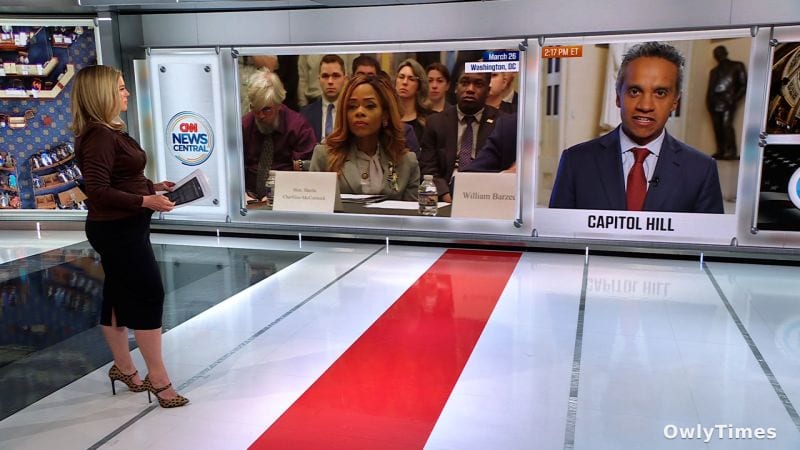

The resignation of Sheila Cherfilus-McCormick from the U.S. House of Representatives serves as a textbook example of preemptive damage control. By stepping down before the House Ethics Committee could finalize its findings, the Florida Democrat effectively halted a formal disciplinary process that threatened to become a public referendum on her conduct. In the high-stakes environment of Capitol Hill, timing is rarely coincidental; the decision to vacate her seat functions as a strategic retreat designed to mitigate political fallout before an adverse committee ruling could force the issue.
The Calculus of Preemptive Withdrawal
The strategic benefit for Cherfilus-McCormick is clear: she avoids the potential stain of a formal House censure or a more severe public rebuke that would have been cemented in the official record. By resigning, she shifts the narrative from one of forced removal to one of voluntary departure. The primary loser in this calculation is her constituency, which now faces the instability of a vacancy, and the Democratic caucus, which must grapple with the optics of a member exiting under a cloud of internal investigation.
In political theater, this mirrors the historical precedent of officials resigning to avoid impeachment or ethics proceedings, a maneuver that prioritizes institutional silence over the accountability of a public trial. By cutting the process short, the subject of an investigation removes the platform that the committee would have used to broadcast the details of its findings. The power dynamic here is simple: if you cannot win the fight against an ethics investigation, you remove the target of the investigation entirely.
Ethics Committee Authority and Institutional Hurdles
The House Ethics Committee operates with a unique mandate, wielding the power to investigate allegations of misconduct that fall outside the purview of standard criminal law. However, its influence is predicated on the continued presence of the member under scrutiny. When a representative resigns, the committee loses its primary jurisdiction, effectively neutralizing its ability to impose further professional sanctions.
This creates a recurring tension within the legislative branch. While the committee is designed to serve as the conscience of the House, its enforcement mechanisms are toothless against those who choose to exit the arena. This reality forces voters and political observers to question whether the current ethics process is a deterrent against misconduct or merely a hurdle that the savvy can bypass through timely resignation.
The Shadow of Ongoing Investigations
While the specific details of the committee’s investigation into Cherfilus-McCormick remain behind closed doors, the timing of her departure—immediately preceding a scheduled discussion on punishment—speaks volumes. It suggests that the committee had reached a threshold of evidence that made a favorable outcome unlikely.
The next signal to watch in this story is the release of any final summary or report from the House Ethics Committee regarding the closed inquiry. While the subject has removed herself from office, the committee’s decision to publish or withhold the final findings of its investigation will indicate the extent to which the institution intends to maintain transparency regarding the conduct of its former members. For now, the move serves as a stark reminder that in Washington, the ability to control the exit is often the final move in a losing game.





