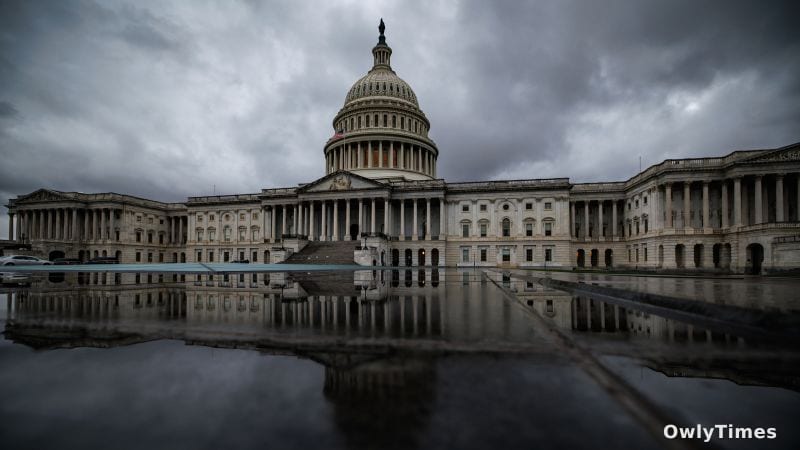

The strategic calculus driving the current scramble for House Ethics reform is not rooted in a sudden moral awakening, but in the institutional survival instinct of a body facing a crisis of legitimacy. When lawmakers see a pattern of resignations—most recently that of Florida Democrat Sheila Cherfilus-McCormick, who stepped down just before the committee could recommend punishment—the "black box" of the House Ethics Committee becomes a political liability. The primary tension here is between the committee’s mandate to protect due process and the public’s demand for immediate accountability. If the institution cannot police its own, the pressure shifts from internal investigations to external, potentially punitive, legislative oversight.
Who benefits and who loses in this power struggle? House Ethics Chairman Michael Guest stands to gain significant administrative control if he succeeds in his push to bring the independent Office of Congressional Conduct under his jurisdiction. By eliminating the duplicative, two-step referral process, Guest would centralize power within the committee. Conversely, the staffer class and independent advocates like Donald Sherman, president of the watchdog group Citizens for Responsibility and Ethics in Washington, risk losing a vital, non-partisan buffer. The current system, while convoluted, acts as a filter; collapsing it into the committee’s hands risks making the investigative process even more insular.
The historical precedent here is the 2018 #MeToo movement, which forced the House to pass legislation addressing workplace harassment. Yet, as Democratic Rep. Mary Gay Scanlon—who replaced a predecessor who resigned following a taxpayer-funded sexual harassment settlement—points out, the current rules remain rife with loopholes. The contradiction is stark: while the committee touts its history of 28 sexual misconduct investigations dating back to the 1970s, it simultaneously maintains a "high bar" that has resulted in only six expulsions in the history of the House. This discrepancy is precisely what fuels the frustration of members like Anna Paulina Luna, who argues that the delay is not a feature of due process, but a mechanism that enables further misconduct.
The Jurisdictional Tug-of-War
The most immediate conflict lies in the committee’s lack of reach once a member exits. Because investigations into figures like Eric Swalwell and Tony Gonzales effectively ceased upon their resignations, the committee is currently toothless against those who "run for the exits." Chairman Guest’s proposal to expand jurisdiction to cover post-resignation behavior is a direct attempt to close this loophole, yet it faces resistance from members like freshman Democrat Suhas Subramanyam, who prefers focusing on criminal sanctions for non-compliant witnesses rather than expanding the panel’s reach into post-congressional life.
Navigating the Bureaucratic Labyrinth
The complexity of the current system is so profound that even sitting members are struggling to map it. Rep. Pramila Jayapal has been forced to embark on an unofficial project to chart the various ethics-related offices, discovering that even committee members cannot agree on basic procedural specifics, such as when the identity of an accuser is revealed. This lack of institutional memory suggests that reform will likely stall as members attempt to untangle the "web" they have woven. Without a clear understanding of the existing reporting mechanisms, even the most well-intentioned legislative attempts—such as the bipartisan bill from Luna and Subramanyam to strip pensions from members convicted of serious offenses—risk being overshadowed by the underlying bureaucratic dysfunction.
The next signal to watch will be the outcome of the bipartisan negotiations between Speaker Mike Johnson and Minority Leader Hakeem Jeffries. Since any change to the ethics process requires a House rules reform, the success of Guest’s three proposed changes—increasing investigators, absorbing the Office of Congressional Conduct, and extending jurisdiction—will depend entirely on whether leadership views institutional optics as a greater priority than maintaining the existing balance of power.





