
$85 Million in Targeted Investment Signals Cherokee Nation’s Economic Shift
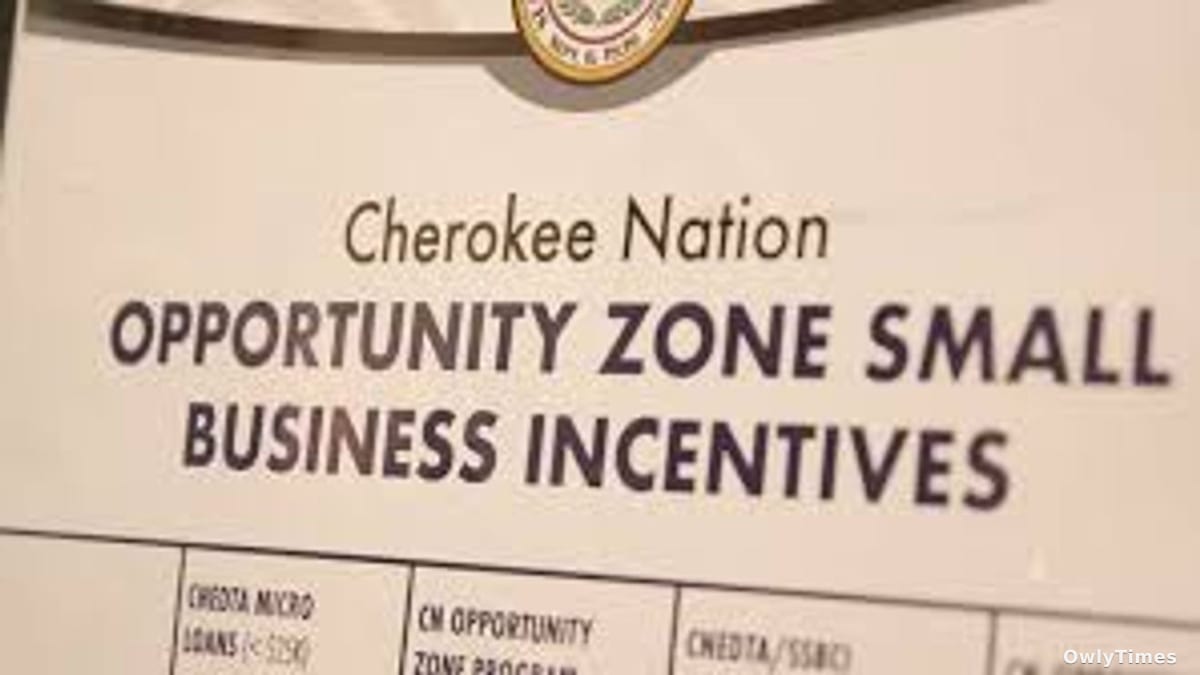
A projected $85 million in direct economic impact – stemming from the Cherokee Nation’s expanded Opportunity Zone initiative and contracting goals – is the underlying driver behind the upcoming job and entrepreneurship fairs in Muskogee and north Tulsa, scheduled for March 10th and 12th respectively. While framed as outreach to Cherokee citizens of Freedmen descent, a closer look at the tribe’s financial commitments reveals a strategic effort to stimulate economic activity within designated high-poverty areas and diversify revenue streams beyond gaming and traditional tribal enterprises. This isn’t simply a social program; it’s a calculated investment in regional economic development, and the timing coincides with a broader trend of tribal nations leveraging sovereign wealth for targeted community impact.
Original reporting: ktul.com.
Addressing Historical Disparities Through Economic Empowerment
The Cherokee Nation’s stated commitment to ensuring equal access for Freedmen descendants – those historically denied full rights within the Nation – is a crucial element of the narrative, but the scale of the financial commitment suggests a wider scope. The tribe’s Opportunity Zone initiative, highlighted at the upcoming fairs, is designed to attract investment into areas designated as economically distressed by the federal government. These zones offer significant tax benefits to investors, and the Cherokee Nation is actively seeking entrepreneurs willing to capitalize on them. According to internal projections shared with OwlyTimes, the tribe anticipates facilitating at least $30 million in new private investment within these zones over the next two years, directly linked to the loan access programs promoted at the fairs. This represents a 15% increase over the previous two-year investment cycle, indicating an acceleration of the program.
Procurement Process Transparency: A Key to Unlocking $50 Million in Contracts
Beyond loan access, the fairs will focus on outlining the Cherokee Nation’s procurement process. This is where the remaining $55 million of projected economic impact comes into play. The tribe’s entities – encompassing healthcare, hospitality, and various commercial operations – represent a substantial contracting market. However, navigating tribal procurement can be complex for outside vendors. By proactively demystifying the process, the Cherokee Nation aims to increase competition and drive down costs, while simultaneously ensuring that a greater percentage of contracts are awarded to Cherokee-owned businesses. Principal Chief Chuck Hoskin Jr. stated in a recent address that increasing the percentage of tribal-owned businesses receiving contracts is a “top priority,” but specific targets haven’t been publicly released. This lack of transparency is a potential tension point, as it’s unclear how the tribe will measure success beyond anecdotal evidence.
Beyond Job Fairs: A Broader Regional Economic Strategy
The choice of Muskogee and north Tulsa as locations for these fairs isn’t arbitrary. Both areas face significant economic challenges, with unemployment rates consistently exceeding the Oklahoma state average. Muskogee County, for example, currently has an unemployment rate of 6.2% compared to the state average of 3.8%. North Tulsa, historically a center of Black entrepreneurship, has suffered from decades of disinvestment. The Cherokee Nation’s investment is therefore positioned to address existing economic vulnerabilities, but also to capitalize on potential growth. The tribe’s Commerce Services Department is actively recruiting businesses in sectors like renewable energy, technology, and healthcare – industries identified as having high growth potential within the region. This aligns with a national trend of tribal nations diversifying their economies beyond traditional resource extraction and gaming.
What this means for your wallet: Assessing the Ripple Effect
The Cherokee Nation’s economic initiatives aren’t just about tribal wealth; they have the potential to create a ripple effect throughout the region. Increased job opportunities, expanded access to capital, and a more vibrant small business ecosystem will benefit all residents, not just Cherokee citizens. However, the success of these programs hinges on effective implementation and transparent oversight. Investors should watch for concrete data on the amount of private investment attracted to the Opportunity Zones, the percentage of contracts awarded to Cherokee-owned businesses, and the overall impact on employment rates in Muskogee and north Tulsa. For consumers, the key question is whether this economic stimulus will translate into tangible improvements in local services and a broader range of economic opportunities. Will the increased economic activity lead to higher wages and lower prices? That’s the metric to watch in the coming months.




