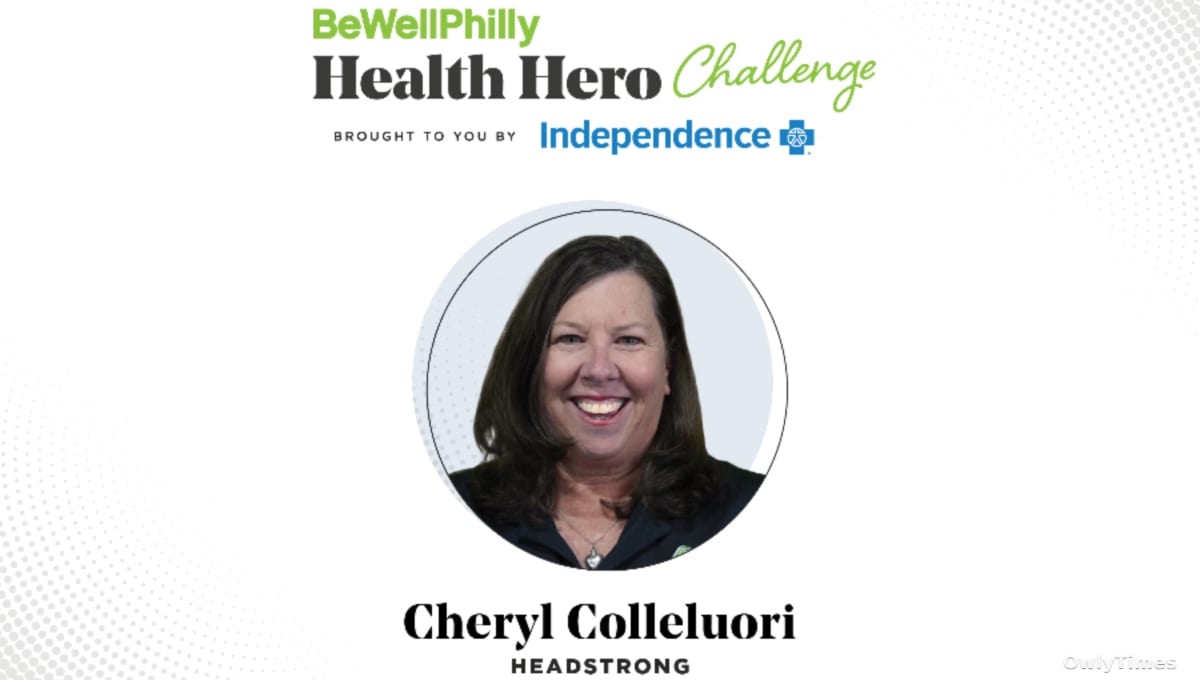

The intersection of clinical treatment and the socioeconomic reality of a cancer diagnosis remains one of the most overlooked hurdles in modern oncology. While medical journals often focus on survival rates and therapeutic efficacy, the logistical burden of seeking care—specifically the cost of displacement—can derail even the most promising treatment plans. It is a reality that Cheryl Colleluori, a 2025 finalist in the Be Well Philly Health Hero Challenge, identified not through institutional research, but through the lived experience of her son, Nick Colleluori, during his battle with large B-cell non-Hodgkin lymphoma.
As detailed in the Philadelphia Magazine report, the catalyst for this work began in 2005 during Nick’s freshman year at Hofstra University. What initially appeared to be a persistent sinus issue—characterized by a distinct whistling breath—was eventually revealed by a CAT scan to be an aggressive malignancy. The subsequent 14-month regimen of chemotherapy, radiation, and stem-cell transplants necessitated a total life pivot for the family, forcing Cheryl to take an unpaid leave of absence from her leadership role at Staples.
This personal crisis highlights a systemic friction point: the hidden cost of care. Research cited in the source material indicates that some cancer diagnoses saddle families with more than $6,000 in out-of-pocket costs within the first year alone. These expenses, often exacerbated by travel requirements and lost wages, create a barrier to entry for life-saving protocols. While headlines regarding the HEADstrong Foundation often focus on the emotional narrative of a mother carrying on her son’s legacy, the organization’s actual utility is found in its logistical intervention. By providing free, furnished housing—known as Nick’s House—the foundation removes a primary economic obstacle for families traveling to major cancer centers.
Limitations to consider in this model include the inherent scalability of physical infrastructure. While the foundation has facilitated over 25,000 stays for nearly 40,000 patients since its inception, the demand for such resources remains localized to specific medical hubs. The organization currently operates two homes in Philadelphia and Boston, with plans to expand into Durham, North Carolina, to serve patients at the Duke Cancer Institute and the University of North Carolina Comprehensive Cancer Center. This strategy of placing housing in close proximity to major medical centers is essential, but it remains a regional solution to a national problem.
The foundation, which has raised $39 million in total funding, relies on a lean 18-person team to manage its residential and support operations. This figure underscores the disparity between the massive capital required to treat complex cancers and the relatively small-scale, targeted support structures that often make that treatment possible. The "success" of the foundation is not just in the number of patients served, but in the reduction of the specific anxiety associated with the financial exhaustion that accompanies long-term illness.
Looking ahead, the next signal of the foundation's trajectory will be the successful launch of its third facility in Durham. Colleluori has publicly stated her objective to scale this model to five houses near nationally designated cancer institutions. The progress toward this goal will serve as a measurable metric of whether this specific model of residential support can be successfully replicated as a sustainable, long-term supplement to clinical care in the United States. For more information on the broader landscape of cancer support, resources can be found through the National Cancer Institute.





