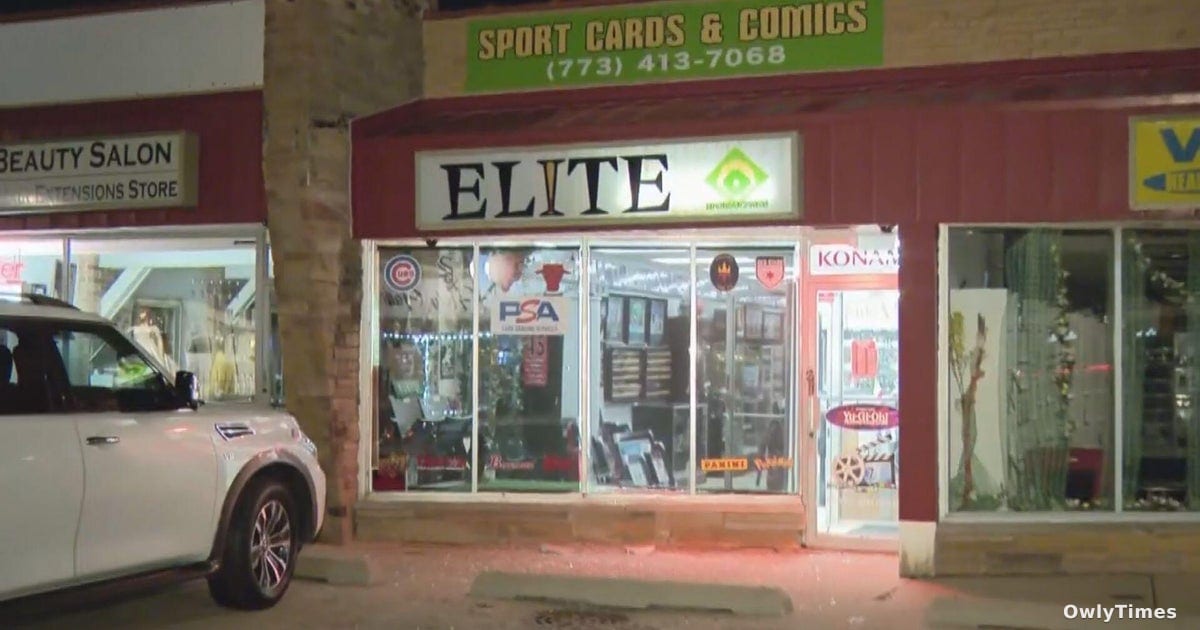

$100,000 in inventory vanished from the display cases of Elite Sport Cards & Comics in less time than it takes to process a standard retail transaction. This precise, high-value theft—which occurred at 1:54 a.m. on April 20, 2026—highlights a growing vulnerability for brick-and-mortar hobby shops that have become prime targets for organized retail crime. By hitting a specific location at 3406A N. Harlem Ave. with surgical efficiency, the perpetrators bypassed general merchandise to secure high-liquidity assets like Pokémon cards and premium-tier basketball and football cards.
The Economics of Targeted Asset Theft
Follow the money, and the motive behind this smash-and-grab becomes clear. The secondary market for collectible cards has matured into a multi-billion-dollar global ecosystem, transforming small shops into vaults for highly tradable, easily liquidated goods. Unlike bulk inventory, these high-end cards offer a high value-to-weight ratio, allowing thieves to carry away a six-figure haul in a single vehicle. Store owner Ronnie Holloway noted the strategic nature of the breach, observing that the individuals appeared to have scouted the interior previously. This level of preparation suggests that the suspects were not opportunistic vandals, but rather individuals seeking specific, high-margin inventory for rapid offloading into the gray market.
Assessing the Security-Liquidity Trade-off
The Dunning neighborhood incident serves as a stark reminder of the physical security challenges facing niche retailers. While digital security and alarm systems are standard, the structural reality of storefronts—specifically the glass facades—remains a persistent point of failure against determined force. For businesses like Elite Sport Cards & Comics, the cost of hardening a facility must be balanced against the potential loss of inventory. When the value of a single display case exceeds the annual overhead of many local businesses, the calculus for loss prevention shifts from basic insurance coverage to intensive, high-cost physical fortification.
Investigative Hurdles for Law Enforcement
The Grand Central Area detectives currently tasked with the investigation face a difficult task in tracing stolen collectibles. Because individual cards often lack unique, serialized tracking numbers that are easily checked against a national database, they can be difficult to recover once they enter the secondary market. The suspects’ ability to navigate the store with specific intent—targeting only certain areas—indicates a level of familiarity that is now a central focus of the ongoing police investigation. Without the immediate recovery of the stolen items, the primary hurdle for law enforcement is identifying the "unknown vehicle" captured on surveillance video, which serves as the only physical link between the suspects and the scene of the crime.
What This Means for Your Wallet
For the collector and investor, the ripple effects of this incident are twofold. First, the increasing frequency of high-value thefts is driving up insurance premiums for small hobby shops, costs that are eventually passed down to the consumer in the form of higher retail pricing. Second, the loss of $100,000 in rare, high-end inventory may create localized supply shocks, further driving up the market price for the specific basketball, football, and Pokémon cards that were targeted. As these stores continue to face security threats, the next reading of local crime statistics in the Northwest Side will indicate whether this level of organized theft represents an isolated event or a broader trend of retail risk.





