
$1.5 Million Grant Doubling Signals Shift in Clark County’s Chinatown Strategy
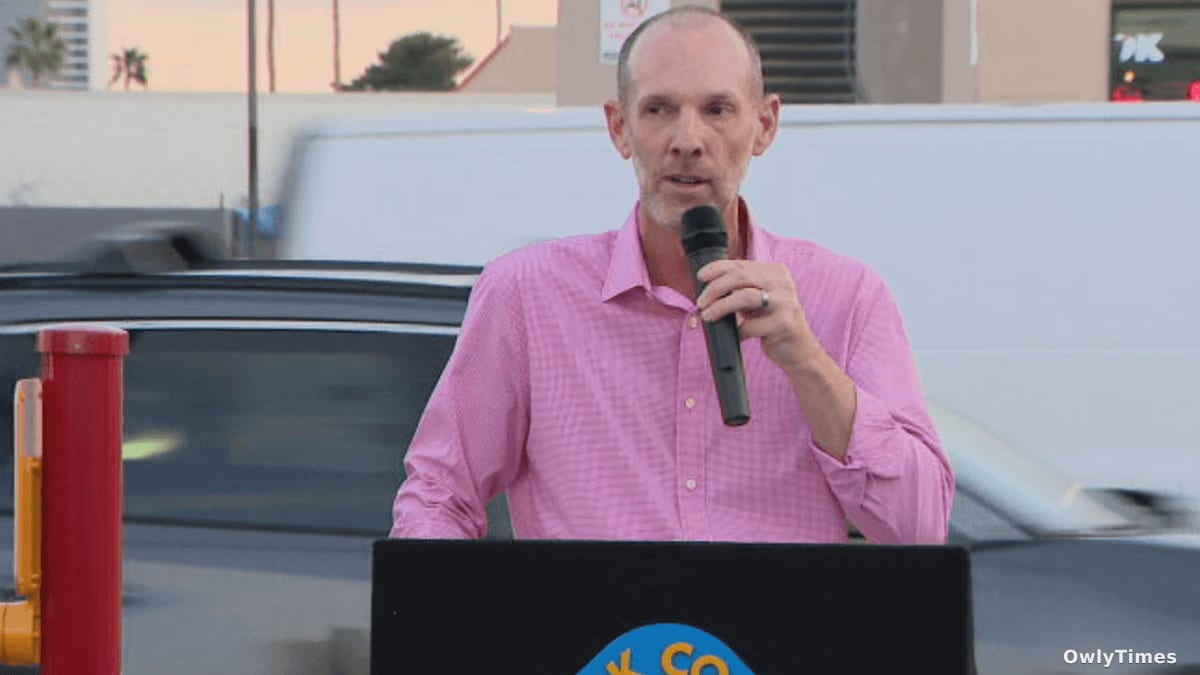
A doubling of small-business grant funding – to $1.5 million – within the Clark County Chinatown redevelopment plan isn’t simply a gesture of goodwill from Commissioner Justin Jones; it’s a calculated response to demonstrable economic pressure and a strategic pivot towards preserving a vital, yet increasingly vulnerable, cultural and commercial hub. The surge in demand for the initial Corridor Improvement Grant, prompting the increase, reveals a deeper story than official statements suggest: Chinatown businesses are facing escalating costs and require significant capital investment to remain competitive. This isn’t organic growth being fueled, but rather a stabilization effort aimed at preventing decline.
Drawn from news3lv.com.
The “Inspiring Spring Mountain Redevelopment Plan,” as Jones calls it, is being rolled out in phases, beginning with highly visible improvements like the new crosswalk at Shanghai Plaza, now equipped with high-definition security cameras and license plate readers. While framed as a public safety measure, the $12.5 million roadway transformation planned for Summer 2026 – incorporating “smart traffic technology” – represents a substantial infrastructure investment. Compared to the average $8 million allocated for similar roadway projects countywide in 2025, this figure indicates a prioritization of the Chinatown corridor, likely driven by its economic contribution and the political imperative to maintain its cultural identity. The choice to implement these security and infrastructure upgrades before the full roadway transformation is complete suggests a focus on immediate concerns – perceived or real – regarding safety and accessibility.
The most striking element of the plan, however, is the scale of the public art component: ZAP! Chinatown, boasting 69 utility box murals by 13 local AANHPI artists, is being touted as the largest ZAP! project in Clark County history. While aesthetically valuable, this $300,000 investment (estimated based on average ZAP! project costs of $4,350 per mural) represents a disproportionate allocation of resources when weighed against the $75,000 maximum grant available to individual businesses for critical improvements like facade repairs or security upgrades. Follow the money: the art project generates immediate positive publicity and reinforces the narrative of cultural preservation, while the business grants, though essential, offer a less visually compelling return on investment.
This disparity highlights a potential tension within the redevelopment plan. The Chinatown Overlay Framework, introducing specialized development standards and branding, aims to “protect the district’s unique cultural character.” However, the framework’s effectiveness hinges on enforcement and the ability to balance preservation with the inevitable pressures of commercial development. The increased grant funding and public art initiatives are designed to support existing businesses, but they don’t address the underlying economic forces – rising property values, increased competition from newer commercial areas, and shifting consumer demographics – that threaten Chinatown’s long-term viability. The $1.5 million in grants, while significant, represents less than 1% of the estimated $180 million in commercial real estate value within the Chinatown corridor.
What this means for your wallet: the immediate impact will be increased foot traffic and a more visually appealing environment for visitors to Chinatown. However, the long-term success of the redevelopment plan – and whether it translates into sustained economic benefits for local businesses and consumers – depends on whether Clark County can effectively manage the competing priorities of preservation, development, and public safety. Watch for the details of the Chinatown Overlay Framework and, crucially, how aggressively it’s enforced. Will it genuinely protect the district’s cultural character, or will it become a symbolic gesture masking continued commercial pressures? The answer will determine whether this redevelopment plan is a genuine investment in Chinatown’s future, or simply a cosmetic fix.




