
Beyond Dollars and Cents: What Routt County’s Habitat Grants Reveal About Conservation Priorities
The recent announcement of $6,235 in grants from the Wildlife Habitat Improvement Local District Endowment Fund (WHILD) in Routt County, Colorado, isn’t simply a story of funding allocations. It’s a snapshot of the increasingly complex challenges facing Western ecosystems, and a revealing look at where limited resources are being directed in the face of escalating need. While headlines focus on the dollar amount – a figure dwarfed by the $44,489 requested across ten applications – the real story lies in which projects received support, and what that implies about the current conservation landscape. This isn’t about a lack of good ideas; it’s about triage, and the difficult choices inherent in protecting biodiversity under pressure.
A River’s Report Card and the Urgency of Baseline Data
A significant portion of the awarded funds went to Friends of the Yampa for their Yampa River Scorecard Project, specifically focusing on the Elk River segment. This project isn’t a reactive measure to address an immediate crisis, but a proactive attempt to establish a comprehensive baseline understanding of river health. As Jenny Frithsen, Environmental Program Manager at Friends of the Yampa, stated, the Scorecard provides “critical, science-based insight” into the river system. This is crucial because, increasingly, conservation isn’t about saving what is left, but about documenting what was before it’s lost. The Scorecard tracks indicators ranging from water quality to floodplain connectivity, assessing impacts on a diverse range of species – from fish like mountain whitefish and mottled sculpin, to iconic birds like sandhill cranes and bald eagles. The fact that this project was prioritized suggests a growing recognition that robust, long-term monitoring is foundational to effective conservation, even – and especially – when immediate threats loom.
See the original steamboatpilot.com story for the full account.
Forest Recovery and the Shadow of Wildfire
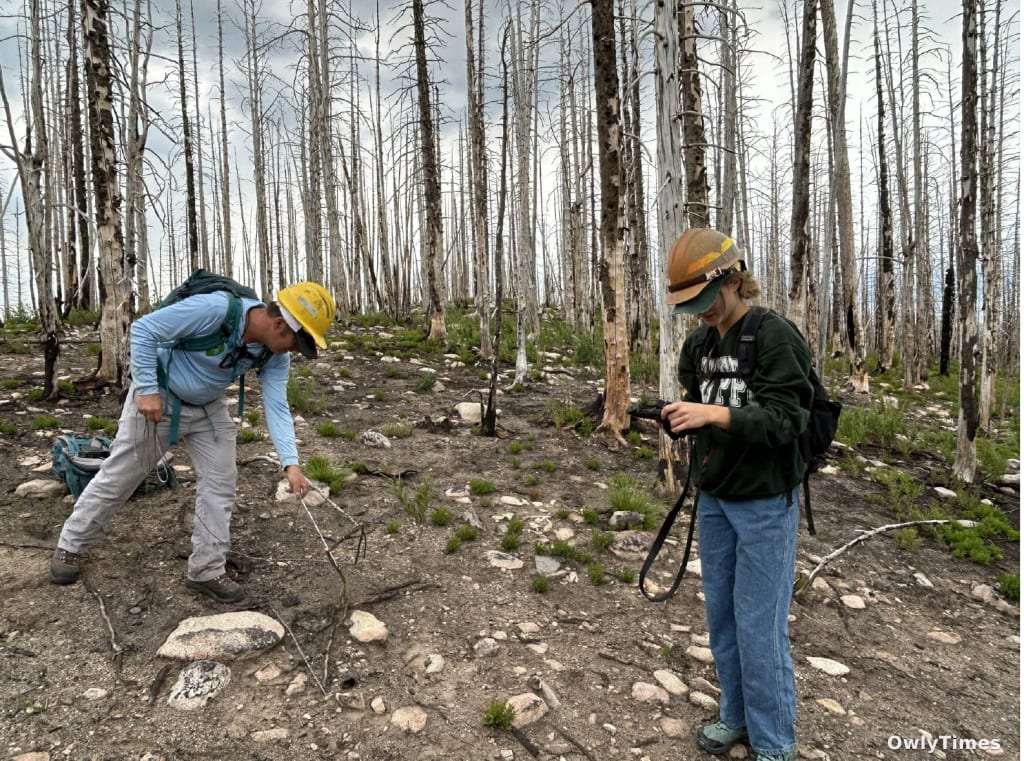
Another grant was awarded to the Western Resilience Center (formerly the Yampa Valley Sustainability Council) to assist the U.S. Forest Service with post-fire regeneration surveys on the Medicine Bow-Routt National Forest. This speaks directly to the escalating threat of wildfire in the West. The surveys aim to assess habitat recovery for species like boreal owls, Pacific martens, and Canada lynx – all highly sensitive to changes in forest structure. The urgency here is clear: wildfires are not isolated events, but catalysts for long-term ecological shifts. Understanding the pace and trajectory of forest regeneration is vital for informing future management decisions, and for anticipating how wildlife populations will respond. The fact that this project received funding underscores the reality that “recovery” is now a central component of conservation efforts, not simply a return to a pre-disturbance state.
The Unfunded Projects: A Reflection of Conservation Gaps
Perhaps more telling than the funded projects are those that were not. A research project focused on monitoring bobolink breeding, and a community-based initiative to create pollinator gardens supporting hummingbirds, butterflies, and native bees, both went unfunded. These projects represent different facets of conservation – targeted species research and community engagement – and their rejection highlights a critical tension. While baseline data and large-scale forest assessments are essential, they often come at the expense of more focused, localized efforts. The bobolink project, for example, addresses the decline of a grassland bird species, a habitat type often overlooked in broader conservation strategies. Similarly, pollinator gardens represent a tangible way to engage the public in habitat restoration. The fact that these projects lacked funding suggests a systemic bias towards larger-scale, data-driven initiatives, potentially overlooking the value of targeted interventions and community-level action. Greg Hamilton, Director of Grantmaking at the Yampa Valley Community Foundation, acknowledged the high quality of all applications, expressing hope for increased funding in the future. However, hope isn’t a strategy.
Limitations to Consider
It’s important to acknowledge the limitations of drawing broad conclusions from a single grant cycle. The WHILD Endowment Fund, while valuable, represents a relatively small pool of resources. The $6,235 distributed is a fraction of the $44,489 requested, and likely a small percentage of the total conservation needs in Routt County. Furthermore, the grant selection process, while presumably rigorous, is subject to inherent biases and priorities. The focus on data collection and forest recovery, while justifiable, may not fully reflect the diverse range of conservation challenges facing the region.
Looking ahead, the critical question isn’t simply whether the WHILD Endowment Fund will grow, but how its funding priorities will evolve. Will future cycles prioritize more localized, community-driven projects? Will there be a greater emphasis on preventative measures, rather than solely focusing on post-disturbance recovery? And, crucially, will the data generated by projects like the Yampa River Scorecard be effectively translated into actionable conservation policies? The fate of Routt County’s wildlife, and the health of its ecosystems, may well depend on the answers.





