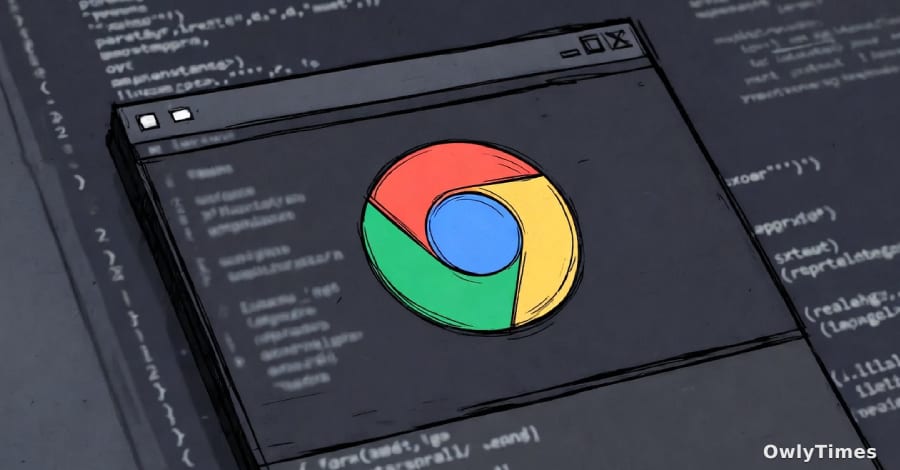

Is your browser actually protecting you, or just feeling like it is? Google just patched its first actively exploited zero-day vulnerability in Chrome this year – CVE-2026-2441, a use-after-free bug in CSS – and the speed with which these flaws are appearing, and being exploited, should be deeply unsettling. The real story here isn't just another Chrome bug; it’s the escalating arms race between browser developers and attackers, and the increasingly sophisticated tactics being deployed against everyday internet users.
The CSS Connection: Why This Flaw Matters
A “use-after-free” bug, as described by the NIST’s National Vulnerability Database (NVD), sounds like tech jargon, but the implications are straightforward. It means a program attempts to access a memory location that has already been freed, potentially allowing a malicious actor to execute code. In this case, Shaheen Fazim discovered the vulnerability on February 11, 2026, and it resided within Chrome’s CSS engine. CSS, or Cascading Style Sheets, dictates how websites look – the fonts, colors, layout. It’s not typically considered a high-security area, which is precisely why it’s an attractive target. Attackers can hide malicious code within seemingly innocuous styling instructions, bypassing many common security measures. The vulnerability, rated 8.8 on the CVSS scale, allowed remote attackers to execute arbitrary code within Chrome’s sandbox, a security feature designed to isolate potentially harmful processes. While the sandbox limits the damage, it’s not impenetrable.
See the original thehackernews.com story for the full account.
Beyond Chrome: A Systemic Weakness
Google’s quick response – releasing a patch to version 145.0.7632.75 – is commendable, but it doesn’t solve the underlying problem. This isn’t an isolated incident. Last year, Google addressed eight zero-day flaws in Chrome, a significant increase from previous years. And it’s not just Chrome. Just last week, Apple scrambled to fix CVE-2026-20700, a zero-day impacting iOS, iPadOS, macOS, and even the Vision Pro, used in what they described as an “extremely sophisticated attack” targeting specific individuals. The fact that Apple characterized the attack as “sophisticated” suggests nation-state involvement or highly organized criminal groups. This coordinated wave of attacks highlights a systemic weakness: modern browsers, despite their security features, are incredibly complex pieces of software, riddled with potential vulnerabilities.
The Silence Speaks Volumes
What’s most concerning about the CVE-2026-2441 disclosure is what Google didn’t say. They acknowledged an exploit “exists in the wild,” but offered zero details about who is exploiting it, how, or who has been targeted. This silence isn’t accidental. It’s a calculated move to avoid tipping off attackers and potentially allowing them to refine their techniques. However, it also leaves users in the dark, unable to assess their own risk. We know the vulnerability allows code execution, but we don’t know if it’s being used for widespread data theft, targeted espionage, or something else entirely. This lack of transparency fuels distrust and underscores the power imbalance between tech companies and the individuals who rely on their products. Users of Chromium-based browsers like Microsoft Edge, Brave, Opera, and Vivaldi are also advised to update, but are reliant on those companies to implement the fix quickly.
The Future of Browsing: Zero Trust is No Longer Optional
The frequency and sophistication of these attacks are forcing a fundamental shift in how we think about browser security. Relying on automatic updates and hoping for the best is no longer sufficient. The era of “trust but verify” is over; we’re entering a world of “zero trust.” This means assuming that any website, any ad, any piece of code could be malicious. What happens next? I predict that within the next 18 months, we’ll see a surge in demand for browser extensions and services that offer proactive threat detection and sandboxing beyond what’s built into the browser itself. Users will actively seek out tools that analyze website code in real-time, block suspicious scripts, and isolate browsing sessions to prevent compromise. The question isn’t if you’ll need these tools, but which ones will be able to keep pace with the evolving threat landscape.