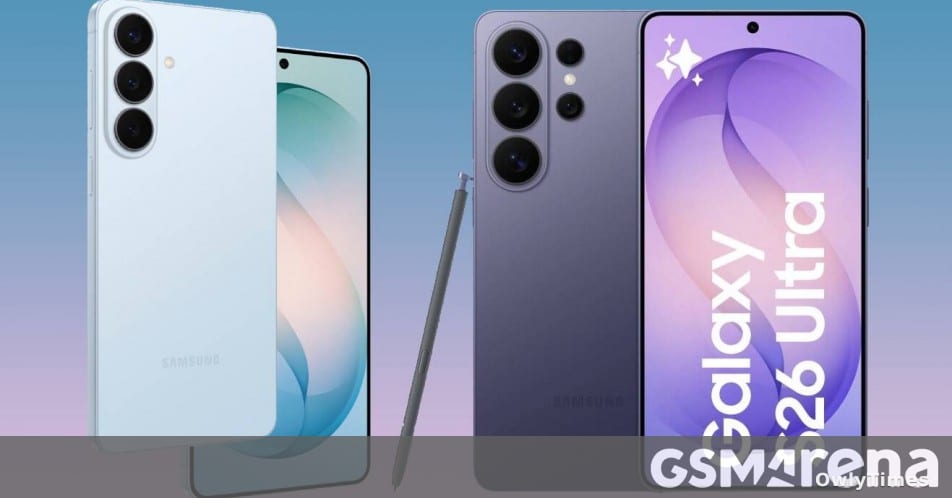

Is anyone actually excited about faster single-core performance anymore? Next week’s Samsung Galaxy S26 launch is predictably dominated by benchmark scores, and the usual narrative is taking hold: Snapdragon is better, Exynos is…fine. But the real story here isn't the marginal gains in processing speed – it’s the increasingly artificial segregation of Samsung’s customer base, and what that says about the future of flagship phones. We’re not just buying specs; we’re buying into a tiered experience, and the cracks are starting to show.
The Galaxy Split: A Tale of Two Chips
On February 25th, Samsung will unveil the Galaxy S26 series, and the chip situation is, as expected, messy. The Galaxy S26 Ultra will exclusively receive the Snapdragon 8 Elite Gen 5 – a specially overclocked version for Samsung, boasting a Prime core clock speed of 4.74GHz, a full gigahertz faster than the Exynos 2600’s 3.80GHz. The standard S26 and S26+? They’ll get the Exynos 2600 in some regions, the exact boundaries of which remain frustratingly unclear. This isn’t new, of course. Samsung has been playing this geographic chip lottery for years, but the stakes feel higher now. The Geekbench 6.6.0 results confirm the single-core advantage for the Snapdragon, clocking in 16% higher. However, the multi-core performance is essentially a wash, with the Exynos trailing by a mere 2% – well within the margin of error.
Reporting from gsmarena.com informs this analysis.
This isn’t a story of technological inferiority, it’s a story of deliberate differentiation. Samsung isn’t trying to give everyone the best possible phone; they’re trying to create a perceived value gap that justifies the Ultra’s premium price tag. The Exynos 2600, with its deca-core CPU (1+3+6) compared to the Snapdragon’s eight cores (2+6), is a perfectly capable chip. It’s just…not the exclusive chip. And for a significant portion of the global market, that’s the message that will resonate.
Beyond Benchmarks: What Does This Mean for Users?
The obsession with benchmark scores misses the point. Most users aren’t running synthetic tests; they’re scrolling through social media, taking photos, and playing mobile games. While the Snapdragon’s single-core boost might translate to slightly snappier app loading times, the difference will be negligible for the vast majority of tasks. The real impact is psychological. Knowing you’re using a “lesser” chip, even if you can’t objectively feel it, devalues the experience. This is particularly galling considering the price of these devices. We’re talking about phones that cost upwards of $1,000, and Samsung is actively telling a large segment of its customer base that they’re getting a slightly compromised product.
The 12GB of RAM standard across all three models (with a 16GB option for the 1TB S26 Ultra) feels like a band-aid solution. More RAM doesn’t magically fix a chip disparity. It’s a distraction tactic, a way to say, “Look, we’re giving you something extra!” while quietly reinforcing the two-tiered system. This isn’t about providing choice; it’s about maximizing profit by creating artificial scarcity and perceived value.
The Snapdragon Premium: A Growing Trend
This isn’t just a Samsung problem. The industry is increasingly moving towards this model of exclusive partnerships and differentiated experiences. Apple controls its entire silicon supply chain, ensuring consistent performance across its devices. Other Android manufacturers are increasingly reliant on Qualcomm’s premium Snapdragon chips, often reserving them for their highest-end models. The result is a fragmented market where the “best” phone isn’t necessarily the one with the highest specs, but the one that’s geographically lucky enough to get the right chip.
This trend is particularly concerning for consumers in regions consistently receiving the Exynos variant. It’s a subtle form of market discrimination, and it erodes trust in the brand. Samsung is betting that brand loyalty and marketing hype will outweigh the frustration of being perpetually second-best. It’s a risky gamble.
Looking ahead, expect this chip segregation to intensify. The focus will shift from raw processing power to specialized AI capabilities, and Qualcomm and Apple will likely maintain a significant lead in that area. The question isn’t whether the Exynos 2600 is a good chip – it is. The question is whether Samsung will continue to treat its customers as a monolithic group, or as segmented markets to be strategically exploited. Watch closely to see if Samsung expands the Snapdragon exclusivity beyond the Ultra model in next year’s S27 series. If they do, it will signal a fundamental shift in their strategy, and a further erosion of the flagship Android experience for anyone outside of a select few regions.





