
The Strategic Calculus of Clinton’s Testimony
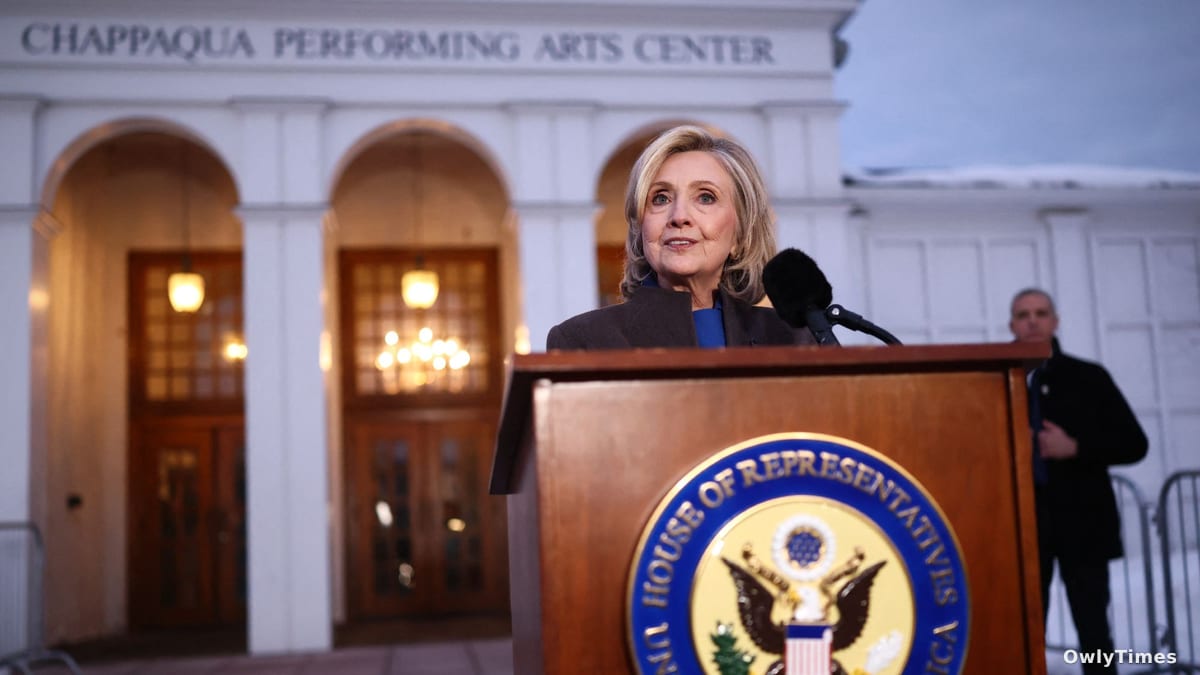
The six-hour deposition of Hillary Clinton before the House Oversight Committee wasn’t about uncovering new information regarding Jeffrey Epstein’s crimes; it was a calculated move in a long-running political game of establishing precedents and shifting blame. The stated purpose – investigating potential connections between Epstein and prominent figures – served as a vehicle for James Comer’s (R-Ky.) committee to publicly engage with a figure who remains a potent symbol of Democratic opposition, while simultaneously laying the groundwork for future depositions, potentially of figures far more politically damaging to the Republican party. The immediate outcome – a day of partisan rancor punctuated by a rules violation from Lauren Boebert (R-Colo.) – was almost secondary to the broader strategic implications.
The Shifting Sands of Accountability
Clinton’s firm denial of any knowledge of or association with Epstein, repeated to reporters after the session – “I don’t know how many times I had to say I did not know Jeffrey Epstein” – underscores the core challenge facing the committee. The narrative hinges on establishing a pattern of behavior, a network of influence, and the committee appears to be struggling to produce concrete evidence linking Clinton directly to Epstein’s activities. This isn’t necessarily a failure of investigation, but a reflection of the inherent difficulty in proving a negative. Who benefits from this situation? Primarily, the Republican party benefits from maintaining a focus on the Clintons, a familiar target that galvanizes their base and allows them to frame the narrative around Democratic hypocrisy. Conversely, Clinton herself benefits from a clear, public denial, potentially inoculating her against future accusations. Democrats, however, are losing ground as the committee’s focus on the Clintons fuels accusations of deflection from Donald Trump’s own documented ties to Epstein, a point highlighted by Politico.
Source material: theweek.com.
A Precedent with Teeth
The decision to compel the testimony of a former Secretary of State, and now the impending deposition of former President Bill Clinton, represents a significant escalation in the use of congressional oversight powers. As Robert Garcia (D-Calif.) noted, this sets a “new precedent about talking to presidents and former presidents.” This precedent isn’t being established in a vacuum. Democrats are openly signaling their intention to reciprocate should they regain control of the House, with Trump as the likely target. This is a classic example of tit-for-tat escalation, a tactic frequently employed in congressional investigations. The historical parallel here is the relentless series of investigations targeting presidents dating back to the Nixon era, each expanding the scope of permissible inquiry and normalizing the practice of subpoenaing former high-ranking officials. The risk is a further erosion of trust in the institution and a deepening of partisan divides.
The Boebert Breach and the Media Ecosystem
The incident involving Boebert and Benny Johnson – the unauthorized sharing of a photo of Clinton testifying – reveals a critical dynamic at play: the integration of congressional proceedings with the hyper-charged ecosystem of social media and partisan influencers. Boebert’s actions, deemed a violation of committee rules, weren’t simply a lapse in decorum; they were a deliberate attempt to feed content to a specific audience, leveraging the spectacle of the deposition for political gain. This highlights the increasing pressure on lawmakers to perform for their base, even at the expense of established norms. The speed with which Johnson posted the image underscores the symbiotic relationship between congressional Republicans and right-wing media personalities, a relationship that amplifies partisan messaging and bypasses traditional media gatekeepers.
The Next Move: Bill Clinton and Beyond
The immediate focus now shifts to Bill Clinton’s deposition. However, the more significant political chess move to watch isn’t what Comer uncovers during that session, but rather how Democrats respond. Will they attempt to obstruct the deposition, further escalating the conflict? Or will they allow it to proceed, using it as an opportunity to highlight the perceived hypocrisy of the Republican investigation and build their case for reciprocal depositions should they regain the House? The committee’s stated goal is to uncover the truth about Epstein’s network, but the real battle is over control of the narrative and the power to set precedents that will shape the future of congressional oversight. The question isn’t simply whether the Clintons had any connection to Epstein, but whether this investigation will ultimately serve as a genuine pursuit of accountability or simply another chapter in the ongoing partisan war.





