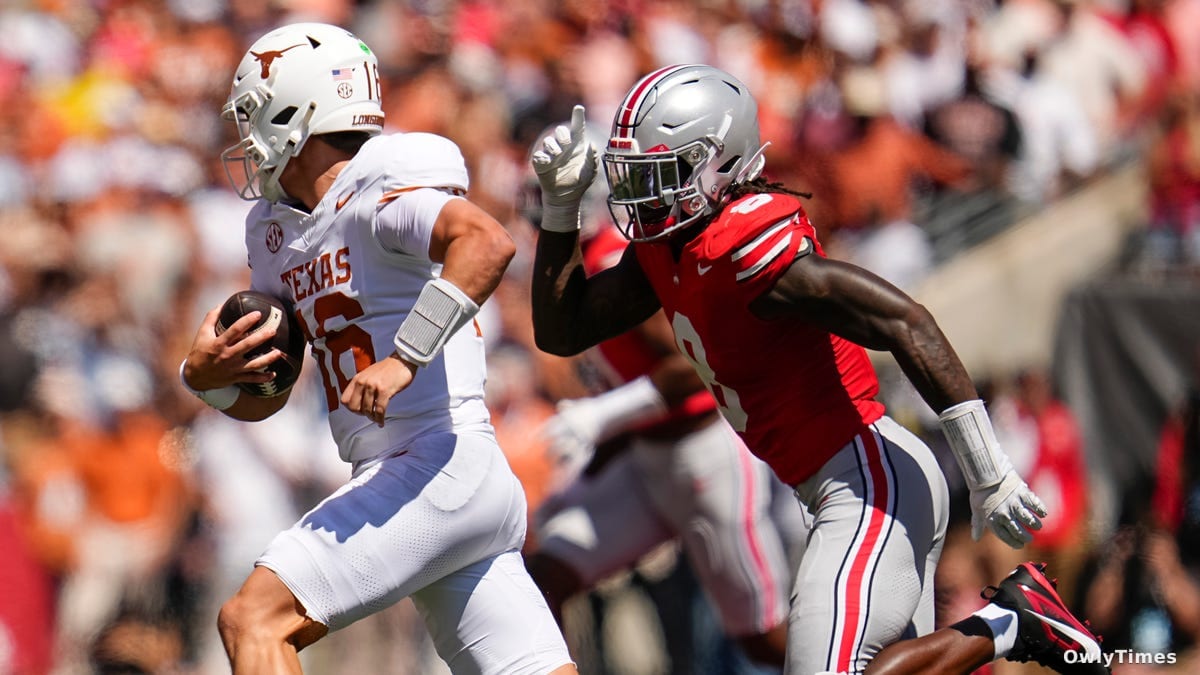

The sweltering heat of a late August afternoon in Texas is usually reserved for the final gasps of summer, a time when the gridiron remains a distant, cooling promise. Yet, if the latest recommendation from the FBS oversight committee holds, that sweltering reality is about to become the new baseline for the college football calendar. By pushing for a permanent shift to what is currently known as Week 0, the sport is signaling a desire to stretch its reach even further into the calendar, despite a growing chorus of voices suggesting the current season is already pushing the physical limits of its participants.
The Push for a 14-Week Grind
The proposal aims to standardize a 14-week regular season, built around 12 games and two open dates. This shift, which would move the natural start date to the weekend prior to Labor Day, is framed by some as a necessary evolution for athlete welfare. Vanderbilt coach Clark Lea noted to ESPN that navigating a season without a pair of bye weeks is a significant challenge for a roster, positioning the extra rest as a health and safety imperative.
However, this logic hits a wall when measured against the broader architecture of the sport. If the goal were truly to prioritize player health, one might expect a reduction in the total number of contests, perhaps by jettisoning the conference championship games that serve as massive revenue drivers. Instead, we are looking at a season that would stretch to a full five months, beginning in the heat of August and concluding in late January.
A Calendar Out of Sync
The tension here is palpable. Earlier this offseason, prominent stakeholders like Texas athletic director Chris Del Conte and Alabama AD Greg Byrne publicly floated the idea of condensing the calendar. They suggested dumping those very conference championship games to end the season earlier in January, a move that would provide actual relief for athletes balancing winter conditioning, spring practice, and summer workouts.
Instead, the oversight committee has opted for an "end-around." By locking in a second open date, they satisfy the coaching desire for more preparation time while simultaneously creating an additional weekend of broadcast exclusivity. In a landscape where the NFL dominates the fall, carving out an extra week of prime-time space before the professional league’s full swing is a move that TV executives—the entities that fund the entire enterprise—are likely to applaud. It turns a potential problem of oversaturation into a strategic advantage of exclusivity.
Action Over Strategy
There is a distinct irony in this proposal. College football is currently paralyzed by gridlock on the most critical issues: the complexities of NIL, the ongoing friction regarding player movement, and the stalled expansion of the College Football Playoff. With the Big Ten and the SEC stuck at an impasse, the oversight committee’s push for an August start feels less like a solution and more like a distraction.
It is a classic case of action bias. When faced with deep-seated, intractable problems that invite litigation at every turn, there is a powerful urge to tinker with the periphery rather than face the core. Changing the start date is a tangible, visible shift that requires no complex legal maneuvering or consensus-building among rival conferences. It is a change that can be made without the threat of a lawsuit.
As the industry looks toward the next reading of the official schedule, the true test of this decision will be whether it satisfies the fans or merely highlights how far the sport’s leadership has drifted from the actual concerns of its players. If this proposal gains approval, the next reading of the calendar will confirm a season that persists well into late January, solidifying a five-month grind that turns athletes into year-round employees while the "pillar issues" of the sport remain stubbornly unresolved.

