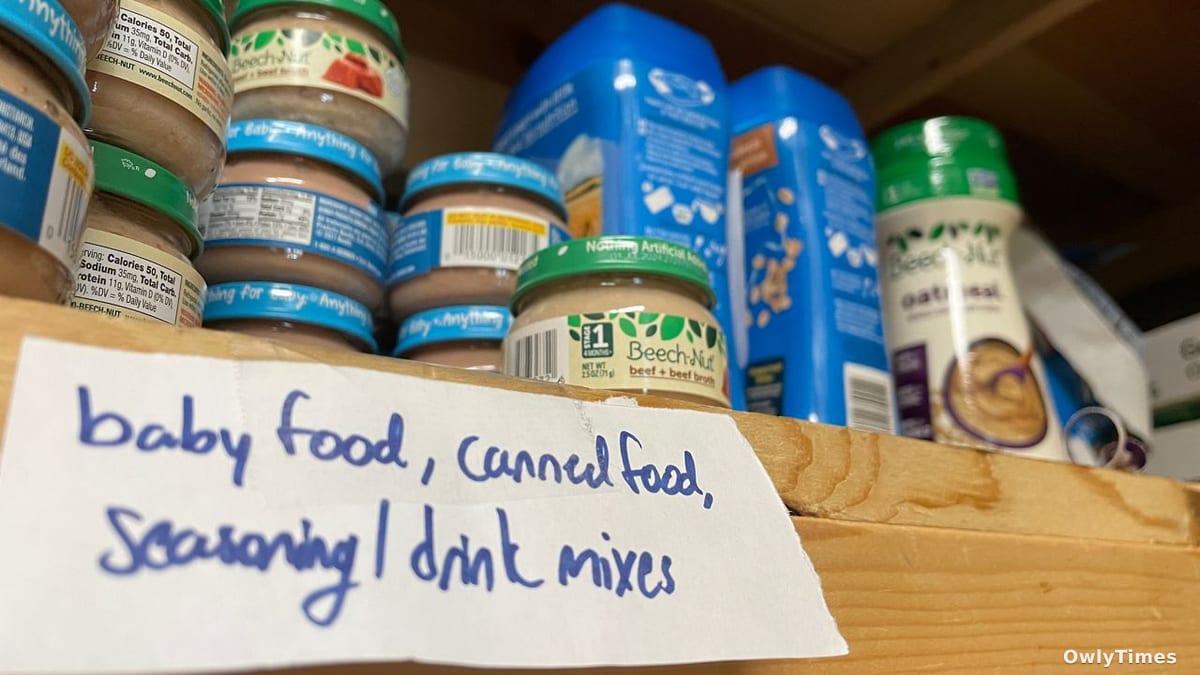

The strategic calculus driving the current attempt to reduce federal nutrition spending relies on a fiscal framing that prioritizes deficit reduction over social safety net expansion. By positioning the Supplemental Nutrition Program for Women, Infants, and Children (WIC) as a target for budgetary discipline, proponents of the cut are testing the limits of bipartisan support for essential services. This move creates a direct conflict between the necessity of managing a $2 trillion deficit and the immediate, granular impact on vulnerable families, forcing a choice between national balance sheets and local food security.
The Cost of Budgetary Discipline
The House Appropriations Committee recently signaled its legislative direction by approving a proposal to reduce WIC funding by $200 million for the upcoming budget year. The vote, which passed 35 to 25 on Wednesday, highlights the stark partisan divide on how to address the federal shortfall. Rep. Andy Harris (R-Maryland), a primary architect of this fiscal stance, defended the reduction by stating that "modest spending reductions are necessary" given the current economic climate.
However, the opposition views this as a dangerous retrenchment. Rep. Sanford Bishop (D-Georgia) questioned the long-term logic of the measure, asking, "How on earth does ending their access to healthy food help make America healthy again?" The tension here is clear: for advocates, the cut represents a failure to support the basic health of the populace; for its supporters, it is a required correction in a period of historic government debt.
Wisconsin as the Epicenter of Impact
The ripple effects of this policy move would be felt acutely in states like Wisconsin. Reno Wright, the advocacy director for the Hunter Task Force—a food bank and anti-hunger organization in West Milwaukee—notes that approximately 75,000 Wisconsinites could be directly affected by these funding changes. This estimate, sourced from the Center on Budget and Policy Priorities, underscores the potential for a significant spike in food insecurity if the proposal reaches the president’s desk.
The strain is already visible on the ground. Wright reports that pantry traffic in his region has risen by 35%, a metric that reflects the mounting pressure on families struggling with food affordability. This follows a $187 million cut to the Supplemental Nutrition Assistance Program (SNAP) enacted in last year’s tax and spending law, suggesting that WIC is now the second major pillar of federal nutrition to face downward pressure from congressional Republicans.
Administrative Barriers and Digital Access
Beyond the direct reduction in funding, the legislation fails to make virtual services permanent for WIC recipients. This procedural decision has profound consequences for those in rural areas, as it may mandate in-person clinic visits starting as early as October. For participants facing transportation barriers, this shift effectively acts as a secondary hurdle to enrollment. Wright argues that since eligibility documentation remains identical regardless of the medium, the push for in-person attendance creates an unnecessary hardship for those the program is designed to assist.
The Path to Final Resolution
Crystal FitzSimons, president of the Food Research and Action Center (FRAC), has urged lawmakers to pivot toward boosting WIC dollars rather than seeking further reductions. The conflict pits the fiscal austerity measures preferred by committee leadership against a coalition of advocates who argue that the current affordability crisis at grocery stores necessitates an increase in, not a retreat from, federal investment.
The next signal of this story’s direction will be the final outcome of the appropriations process, which will determine if the $200 million cut to WIC survives the full legislative gauntlet. For now, the debate remains unresolved, with anti-hunger organizations mounting a concentrated effort to reverse the committee's decision before it can be codified into law.





