
The air in the courtroom felt thick with anticipation last week as Chandler Morris, quarterback for the University of Virginia, became the latest athlete to challenge the NCAA’s eligibility rules. It wasn’t a dramatic courtroom showdown, not yet, but the quiet filing of the lawsuit echoed a seismic shift happening across college athletics – a shift fueled by money, ambition, and a growing sense of player empowerment. This isn’t just about Morris wanting another year on the field; it’s about a fundamental unraveling of the amateur ideal and a scramble to define what a college athlete is in a world where they can earn millions.
The wave of legal challenges, starting with Diego Pavia of Vanderbilt earlier this year, isn’t a surprise to those watching the fallout from the House vs. NCAA settlement. As Michael LeRoy, a labor and sports law professor at the University of Illinois, bluntly put it, the settlement – initially hailed as a stabilizing force – has been a “spectacular miscalculation.” The promise of a neat, revenue-sharing system has dissolved into a chaotic landscape of contract disputes and eligibility battles, leaving universities and athletes locked in a legal tug-of-war. The initial vision of modest “pocket money” from NIL deals has given way to the reality of “life-changing money,” creating a new set of incentives and conflicts.
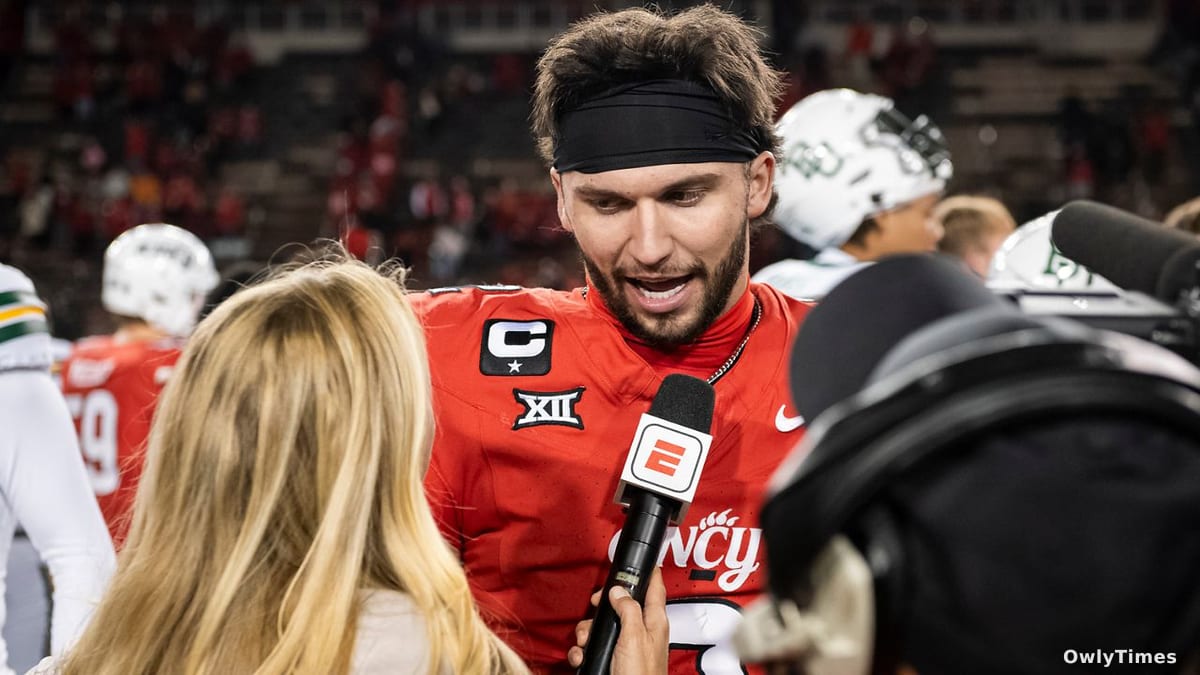
The core of the current conflict lies in the tension between schools attempting to control athletes through contracts – often including hefty liquidated damages for early departure – and athletes asserting their right to maximize their earning potential in a rapidly evolving market. Duke University and Cincinnati both sued their quarterbacks, Darian Mensah and Brendan Sorsby respectively, after they entered the transfer portal, demanding damages upwards of $1 million. While these contracts seem straightforward on the surface, Philadelphia attorney Andrew Hope, specializing in contract law and NIL matters, explains the legal nuance. Liquidated damages must represent a good-faith estimate of actual loss, and athletes are arguing that a transfer doesn’t necessarily diminish the value of their NIL to the school. It’s a battle over valuation, and a challenge to the very premise of tying an athlete’s economic freedom to a single institution.
See the original spectrumnews1.com story for the full account.
These disputes aren’t happening in a vacuum. They’re a direct consequence of the NCAA’s precarious position after the Alston case, where the Supreme Court unanimously ruled against the organization in 2021. Justice Brett Kavanaugh’s concurring opinion, famously suggesting the NCAA’s business model would be “flatly illegal in almost any other industry in America,” foreshadowed the current legal onslaught. Now, with private equity firms circling college athletics, the NCAA’s argument for an antitrust exemption – a potential solution to the eligibility chaos – feels increasingly weak. LeRoy points out the crucial framing of the market: is it about students pursuing degrees while playing sports, or a commercial market for athletic services? Courts, he argues, are increasingly leaning towards the latter, effectively dismantling the NCAA’s control.
The current legal battles are unfolding on two fronts: eligibility and contract enforcement. Athletes like Morris are seeking additional years of competition, arguing that limiting their earning window restricts economic opportunity. Simultaneously, schools are attempting to enforce contracts designed to retain players and protect their investments. Sports attorney Mit Winter predicts most contract disputes will end in negotiated settlements, as neither side wants the expense and publicity of a full-blown trial. But the underlying problem remains: the NCAA’s rules are increasingly at odds with the realities of a professionalized college sports landscape.
The path forward, according to Winter, hinges on one of three possibilities: a federal law granting the NCAA an antitrust exemption (unlikely given the current political climate), a Supreme Court reversal of its previous stance (also improbable), or – most significantly – collective bargaining. This last option would necessitate recognizing athletes as employees, a move gaining traction among some athletic directors and coaches, though still opposed by the NCAA itself. A potential breakaway of the Power Four conferences – or even just the Big Ten and SEC – could accelerate this process, allowing them to negotiate eligibility rules and other gray areas independently.
The question isn’t if college athletics will change, but how. Will we see a future where athletes are fully recognized as employees, with the rights and protections that come with it? Or will the NCAA cling to its amateur model, fighting a losing battle against the forces of market economics and legal precedent? The current legal chaos isn’t just a series of headlines; it’s a symptom of a deeper crisis of identity within college sports. And the outcome will reshape the landscape for generations of athletes to come.