
106,000 is the number of homes currently missing from the Colorado housing market, a deficit that serves as the primary engine behind Gov. Jared Polis’s latest legislative push. This shortfall is not merely a statistic for real estate developers; it is a structural barrier to labor recruitment, forcing businesses to grapple with an workforce that cannot find housing near their places of employment. As the state legislature prepares for a critical Senate hearing this Thursday, the battle over how to close this gap has moved from theoretical urban planning to a direct confrontation between state-level economic necessity and local property rights.
The Economics of Lot Subdivision
Ted Leighty, CEO of the Colorado Association of Home Builders, points to two specific policy levers as the most viable mechanisms for addressing this inventory crisis. The proposed legislation seeks to allow property owners to split their lots by right and simultaneously bar municipalities from enforcing minimum lot sizes greater than 2,000 square feet. By reducing the land footprint required for a single-family dwelling, proponents argue that developers can achieve the density necessary to lower per-unit costs, effectively creating a more accessible entry point for potential homeowners.
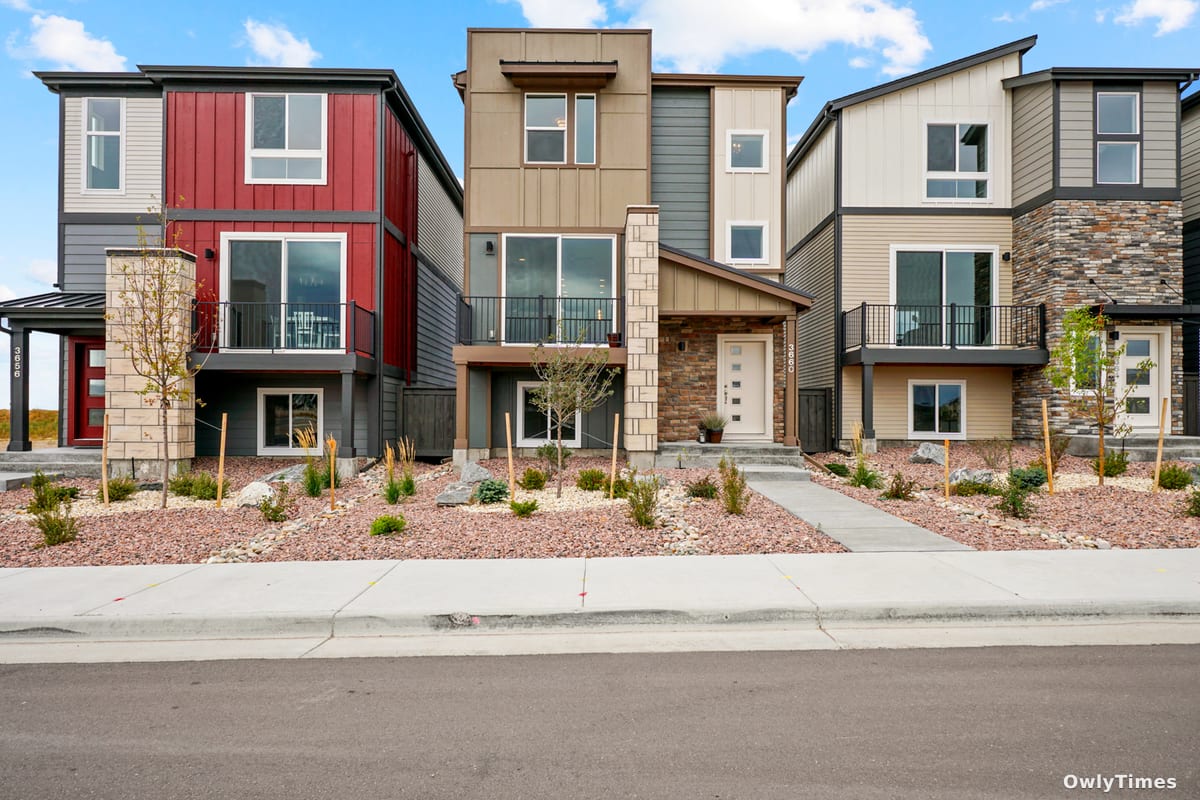
Follow the money in this scenario, and the logic is clear: smaller lots mean lower land acquisition costs for builders, which in theory lowers the final price tag of the home. This strategy is modeled on the need to maximize utility in high-demand metro areas where available land is scarce and expensive. For companies struggling to retain talent, the ability to build, for instance, New Classic Homes residences in Colorado Springs at a higher density is the difference between a functional local economy and one that stalls due to the sheer cost of living.
The Infrastructure and Equity Pushback
While the economic argument for density is data-driven, the political resistance is rooted in the preservation of local governance and asset valuation. Sen. Janice Rich, a Republican from Grand Junction, has emerged as a key voice for those concerned that state-mandated density shifts bypass the specific infrastructure planning of local communities. The argument against these bills is that they treat housing as a fungible commodity rather than a component of a larger, carefully managed municipal ecosystem.
The core of this opposition centers on the idea of a "neighborhood contract." Homeowners who purchased property under specific zoning and density expectations view these legislative changes as a unilateral alteration of the terms upon which their property values were calculated. The tension here is between the statewide urgency of the 106,000-home shortage and the localized fear that "haphazard additions" will overtax existing utilities and roads. This represents a fundamental disagreement over whether the state has the authority to prioritize aggregate supply metrics over the planning autonomy of local jurisdictions.
What This Means for Your Wallet
For the average investor or prospective homebuyer, the outcome of this week’s Senate hearing will dictate the future trajectory of housing supply in Colorado. If the legislation passes, we can expect a shift toward smaller lot sizes and increased infill development, which may exert downward pressure on entry-level home prices by increasing the total volume of inventory. However, if the opposition succeeds in stalling these measures, the current supply-demand imbalance will likely persist, sustaining upward pressure on home prices as the labor shortage continues to challenge regional growth. The next reading of the housing inventory shortage figures will indicate whether these legislative shifts are succeeding in tempering the market or if the structural constraints on land use will remain the dominant force in Colorado real estate.





