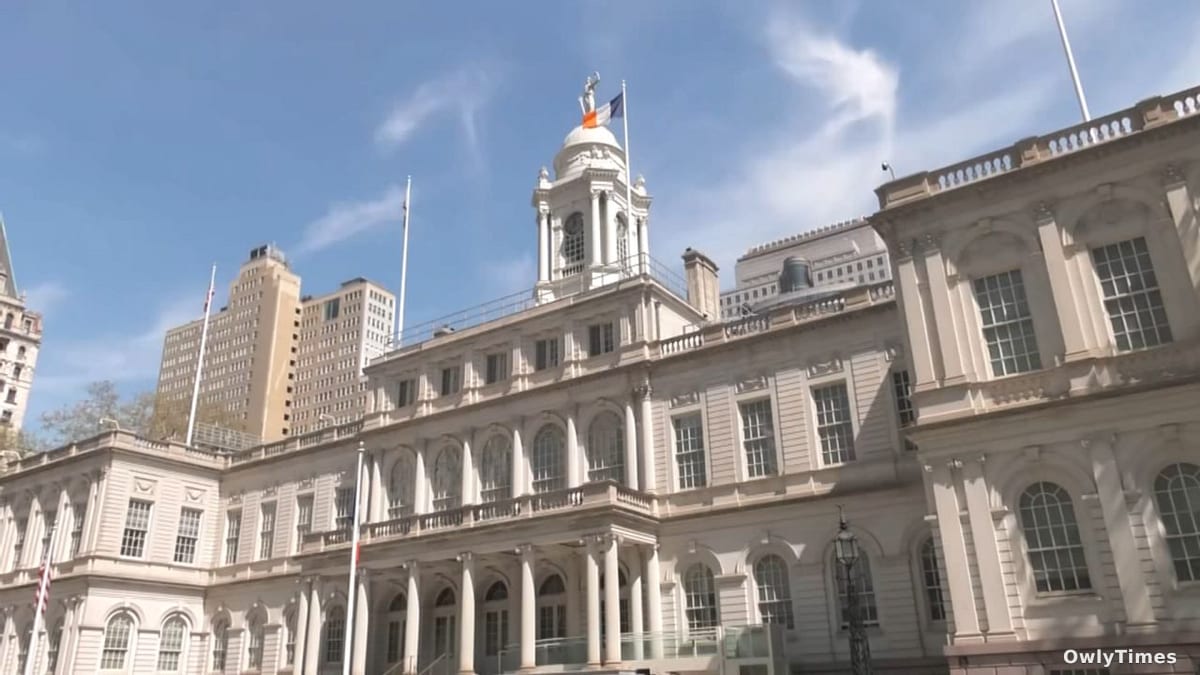

The strategic calculus driving Mayor Zohran Mamdani’s latest fiscal maneuver is a classic exercise in political displacement. Facing a $5.4 billion budget deficit—a figure the mayor has labeled a "generational fiscal crisis"—the administration is eyeing the city’s pension obligations as a pressure valve. By floating the idea of restructuring pension fund payments, the mayor is attempting to solve an immediate, politically toxic revenue gap by deferring the financial burden onto future administrations and taxpayers.
The Cost of Short-Term Liquidity
The city is currently operating under a $60 billion pension payment plan that has been in place for over a decade, with a scheduled completion date in 2032. The proposal to alter these payments effectively seeks to trade long-term fiscal stability for short-term liquidity. While the exact mechanics remain undisclosed, the administration is currently sharing potential options with officials in Governor Kathy Hochul’s office.
This approach mirrors the structural deficits that plagued municipal governments during the 1970s, where deferred obligations were used to mask operating shortfalls until they eventually necessitated state-level intervention. Ken Girardin, a fellow with the Manhattan Institute, characterized the strategy as a "payday loan," arguing that the city would realize a immediate benefit only to pay significantly higher interest costs by pushing the liabilities beyond 2040.
Winners and Losers in the Pension Shift
The primary beneficiaries of this move would be the current administration and a City Council looking to balance the books without raising taxes or cutting services before the next election cycle. Council Speaker Julie Menin has already proposed a similar framework, which is estimated to save more than $1 billion a year. For Mamdani, securing Menin’s support could transform a desperate budgetary measure into a point of political consensus.
The losers, however, are clearly defined by the timeline of the obligation. Andrew Rein, president of the Citizens Budget Commission, highlighted the ethical and economic contradiction of this approach, pointedly asking, "Why should my child pay for his fifth-grade teacher’s salary and pension benefits in 2040?" From the perspective of fiscal hawks, the plan forces future residents to pay for services they did not consume, while increasing the total cost of the debt.
Institutional Constraints and Legislative Friction
Despite the political appetite for this relief, the proposal faces significant institutional hurdles. Pension benefits are constitutionally protected in the state, limiting the mayor’s unilateral authority to slash funding. Michael Mulgrew, head of the United Federation of Teachers, signaled that the ultimate decision-making power rests with pension trustees, not City Hall. Mulgrew noted that while the funds are currently in "phenomenal shape," the city has yet to clarify whether it is proposing a temporary reduction in payments or a long-term shift that necessitates higher contributions later.
The path forward remains cluttered by a lack of coordination between the city’s legislative and executive branches. Assembly Speaker Carl Heastie recently signaled that Albany is waiting for the city to get its own house in order, advising the mayor and the City Council to "reconcile where they are." Until the administration produces a detailed proposal that satisfies both the pension trustees and state-level stakeholders, the next reading of the city’s budgetary reconciliation progress will determine if this pension play is a viable fiscal strategy or merely a political distraction.





