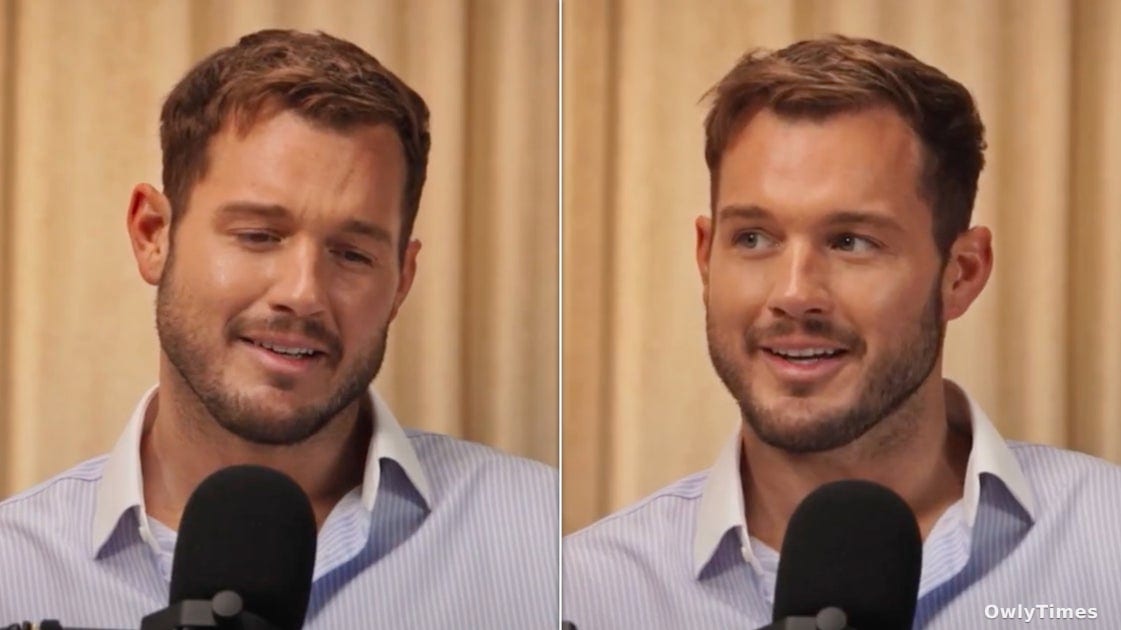

The chipped paint of a locker room bench, the stale scent of sweat and liniment – Colton Underwood remembers it all with a new, aching clarity. Not the glory of potential NFL stardom, but the suffocating weight of a secret. Speaking on Grindr’s “Who’s the A**hole? with Katya” podcast, the former “Bachelor” star recently posited a counterfactual: would his football career have flourished if he’d been openly gay? It’s a question that cuts far deeper than reality TV drama, exposing the enduring cost of forced conformity within hyper-masculine spaces and the lingering impact on athletes who carry hidden burdens.
Underwood’s trajectory – from a brief NFL stint with the San Diego Chargers to reality television fame and, ultimately, public coming out in 2021 – is a case study in the evolving landscape of American masculinity. He acknowledges the “compartmentalization” and “suppression” that defined his early career, a common experience for LGBTQ+ athletes navigating a world where vulnerability is often perceived as weakness. The NFL, a $16 billion industry in 2023, has historically been slow to embrace inclusivity, and while progress is being made – with players like Michael Sam paving the way – the fear of repercussions remains palpable. Underwood’s reflection isn’t about regret for a lost career, but a lament for the authentic self he couldn’t express, a self that might have unlocked a different, more fulfilling path.
See the original huffpost.com story for the full account.
His description of locker room dynamics is particularly revealing. He doesn’t dwell on overt homophobia, but rather on the “weird homoeroticism” and “performative” displays of masculinity that create an environment of constant self-monitoring. This isn’t about malicious intent, he suggests, but about a deeply ingrained culture of performance, where vulnerability is a liability. It’s a subtle but powerful observation, highlighting how even seemingly harmless behaviors can contribute to a climate of exclusion. This resonates beyond football; similar dynamics exist in countless male-dominated professions, from construction to finance, where emotional expression is often discouraged.
The narrative surrounding Underwood hasn’t been without its complexities. His initial coming out was met with criticism, particularly regarding a Netflix docuseries that some felt prioritized his personal narrative over broader LGBTQ+ issues. Yet, he’s since leaned into advocacy, marrying political strategist Jordan C. Brown in 2023 and welcoming their son, Bishop Colton Brown-Underwood, in 2024. This isn’t simply a happy ending; it’s a deliberate act of visibility, a reclamation of his story on his own terms. Brown, a veteran of Barack Obama’s presidential campaigns, represents a different kind of power – a quiet, strategic influence that complements Underwood’s more public persona. Underwood’s admission that their relationship blossomed quickly, fueled by the accelerated intimacy of “Bachelor”-style dating, is a surprisingly honest assessment of the show’s lasting impact.
“Who’s the A**hole?” hosted by Katya, isn’t just a celebrity gossip platform. It’s part of a broader trend of queer media spaces fostering open conversations about dating, relationships, and the messy realities of modern life. Inspired by the late Dr. Ruth Westheimer, the podcast aims to destigmatize difficult topics and create a space for vulnerability. This is crucial in a cultural moment where LGBTQ+ rights are under attack, and where visibility is more important than ever. Underwood’s willingness to revisit his past, to acknowledge his mistakes, and to share his journey with authenticity is a testament to the power of these spaces. The question now isn’t whether more athletes will come out, but whether the structures of professional sports will evolve to truly support them – not just with performative allyship, but with genuine inclusivity and a dismantling of the toxic masculinity that continues to silence so many. Will the NFL, and other leagues, proactively create environments where young athletes feel safe enough to be their full selves, or will they continue to wait for individuals to bear the burden of change alone?