
The Calculated Appeal of Faith in Country Music’s Revival
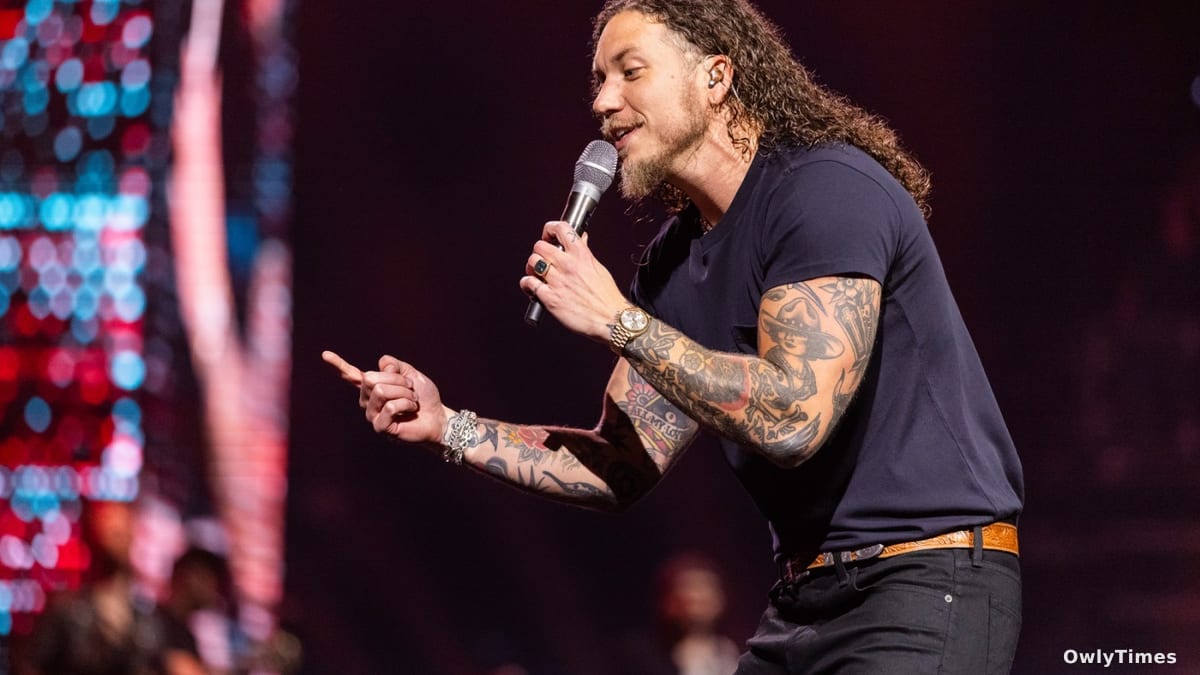
The strategic alignment of contemporary Christian artist Brandon Lake with country music heavyweights like Jelly Roll and Lainey Wilson isn’t simply a stylistic crossover – it’s a calculated move to tap into a demographic hunger for authenticity and a return to foundational values within a genre undergoing rapid transformation. While country music has long held a relationship with Christianity, dating back to the Louvin Brothers’ stark warnings in “Satan Is Real” (1959) and more recently, Carrie Underwood’s explicitly faith-based album My Savior (2021), Lake’s arrival signals a shift. It’s not about introducing religion to country, but rather amplifying a pre-existing current at a moment when cultural anxieties are high and traditional audiences feel increasingly alienated by the genre’s embrace of pop sensibilities.
Based on the original rollingstone.com report.
Lake’s upcoming album and collaborations, including “The Jesus I Know Now” with Wilson set for release on Good Friday, are arriving during a period where country music is experiencing a surge in popularity, but also internal tension. Streaming numbers are up – country is the most-streamed genre in the US as of late 2023, surpassing rock and hip-hop – but this growth is fueled by artists who often challenge the genre’s conservative image. Jelly Roll, for example, built his fanbase on a raw, confessional style that acknowledges struggles with addiction and incarceration, a far cry from the polished narratives of earlier country stars. Lake’s presence alongside these artists suggests a deliberate attempt to bridge that gap, offering a message of redemption and hope that resonates with both established fans and a new, broader audience.
Navigating the Minefield of Faith and Politics
The timing of Lake’s ascent is particularly noteworthy given the increasingly fraught relationship between faith and politics in the United States. As Lake himself acknowledges in a recent interview on Rolling Stone’s “Nashville Now” podcast, hosted by Joseph Hudak, the potential for exploitation is real. “I’m human, so yes I worry,” he stated, adding that he believes “God’s bigger than it all.” This carefully worded response reveals a strategic awareness of the risks involved. Unlike some Christian artists who openly align with specific political ideologies, Lake positions himself as a connector, emphasizing shared humanity over doctrinal purity. This is a crucial distinction. The historical precedent here is the Southern Gospel movement of the mid-20th century, which often served as a cultural touchstone for conservative white communities, but also maintained a degree of separation from direct political endorsements.
Who benefits and who loses from this dynamic? The immediate beneficiaries are Lake and his collaborators, who stand to gain increased visibility and commercial success. Record labels and streaming services also profit from the expanded audience. However, the potential losers are those who view the commercialization of faith as inherently problematic, or who fear that Lake’s message will be co-opted for partisan purposes. The tension lies in the inherent contradiction of seeking widespread appeal while simultaneously attempting to maintain spiritual integrity. Lake’s stated goal – “to make a connection, regardless of his listeners’ faith” – is a delicate balancing act, requiring him to navigate a landscape littered with ideological landmines.
The Appeal to a Disenfranchised Base
The success of artists like Jelly Roll and the burgeoning interest in Lake’s music point to a broader trend: a growing desire for authenticity and a rejection of perceived “wokeness” within mainstream culture. This sentiment is particularly strong in rural areas and among working-class communities, demographics that have historically formed the core of country music’s fanbase. While the genre has attempted to diversify its representation in recent years, some listeners feel that it has lost touch with its roots. Lake’s music, with its emphasis on personal struggle and spiritual redemption, offers a counter-narrative to the prevailing cultural trends, appealing to those who feel left behind or alienated. This isn’t necessarily a political statement, but it taps into a deep-seated cultural anxiety that is increasingly shaping the political landscape.
The inclusion of artists like Lainey Wilson, a current CMA Entertainer of the Year, in these collaborations is also significant. Wilson represents the mainstream of contemporary country, and her willingness to work with Lake signals a tacit endorsement of his message and a recognition of its potential appeal. This isn’t simply about musical synergy; it’s about strategic positioning within a rapidly evolving market. The podcast “Nashville Now” itself, featuring interviews with a diverse range of artists from Vince Gill to Hardy, demonstrates the industry’s attempt to understand and cater to these shifting demographics.
The political chess move to watch next isn’t whether Brandon Lake will explicitly address political issues in his music, but rather how his peers will respond to his success. Will more mainstream country artists embrace faith-based themes, or will they shy away from the potential controversy? The answer will reveal a great deal about the future direction of country music and its relationship to the broader cultural and political landscape.