
If you’ve ever tried to reconcile a glitchy app’s "sync error" with the fact that your data is simply gone, you’ll understand the current frustration surrounding the Pentagon’s casualty reporting. We are told these systems are digital ledgers—unemotional, binary, and precise—but the real story here isn't a "data disruption" or a technical glitch; it’s the profound gap between the administration’s public rhetoric and the bureaucratic reality of how we track the cost of war.
The Pentagon’s Defense Casualty Analysis System (DCAS) recently became the center of a firestorm after it slashed its official Iran war death toll from 18 to 14 in a single day. As reported by CNBC, the site—which remains the primary portal for public transparency regarding military losses—suddenly purged four service members killed this month from its count. While the CBS News report confirms that the total reflected on the site as of July 24 was 14, The Independent notes that this revision occurred just as President Donald Trump himself continued to publicly cite the higher figure of 18 deaths throughout the week.
The Math of 'Data Disruptions'
The official explanation for this digital disappearing act is as opaque as the war itself. Pentagon spokesperson Sean Parnell took to X to frame the discrepancy as a "temporary data disruption" and "site anomalies," explicitly dismissing allegations of intentional data manipulation as "fake news." However, this technical excuse conflicts with reporting from [The New York Times] (as cited by CNBC and CBS News), which points to a more administrative logic: the four missing service members were killed in Jordan and Iraq after the President’s April ceasefire declaration.
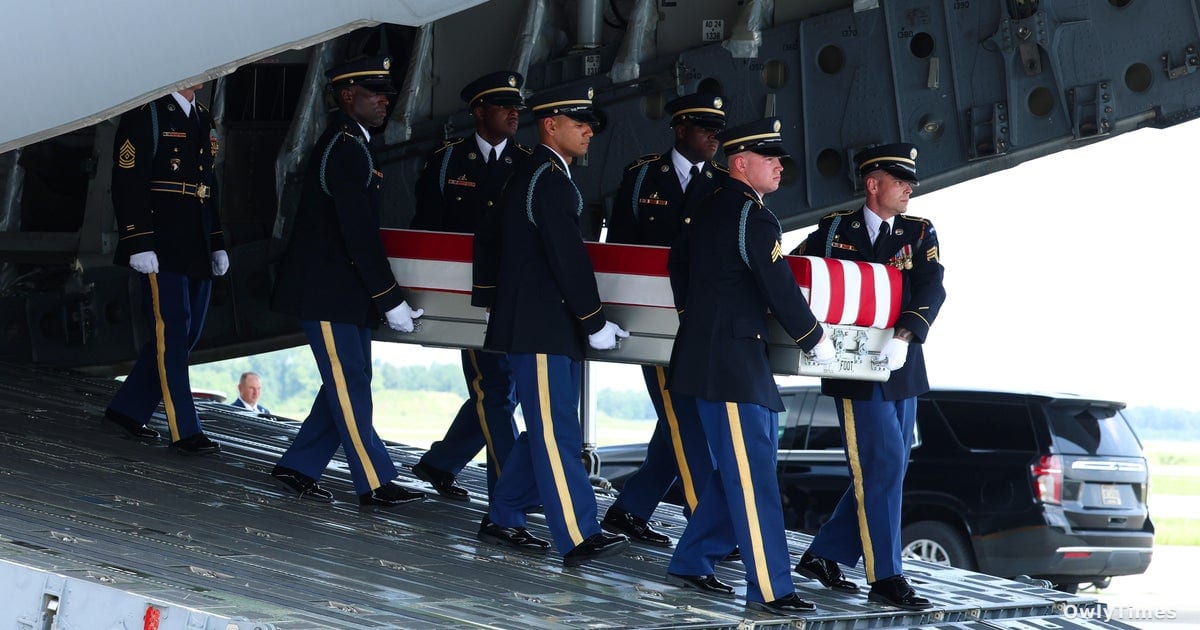
This creates a bizarre scenario where the system’s logic—classifying casualties based on the status of a ceasefire—clashes with the President’s own acknowledgment of the fallen. As CNBC highlighted, Trump stated on Thursday, "I went to Dover, four great American patriots killed. That's 18," even while his own department’s database displayed a lower number. For the average user looking for a single source of truth, the Pentagon’s dashboard has effectively become a broken compass.
A Pattern of Obfuscation
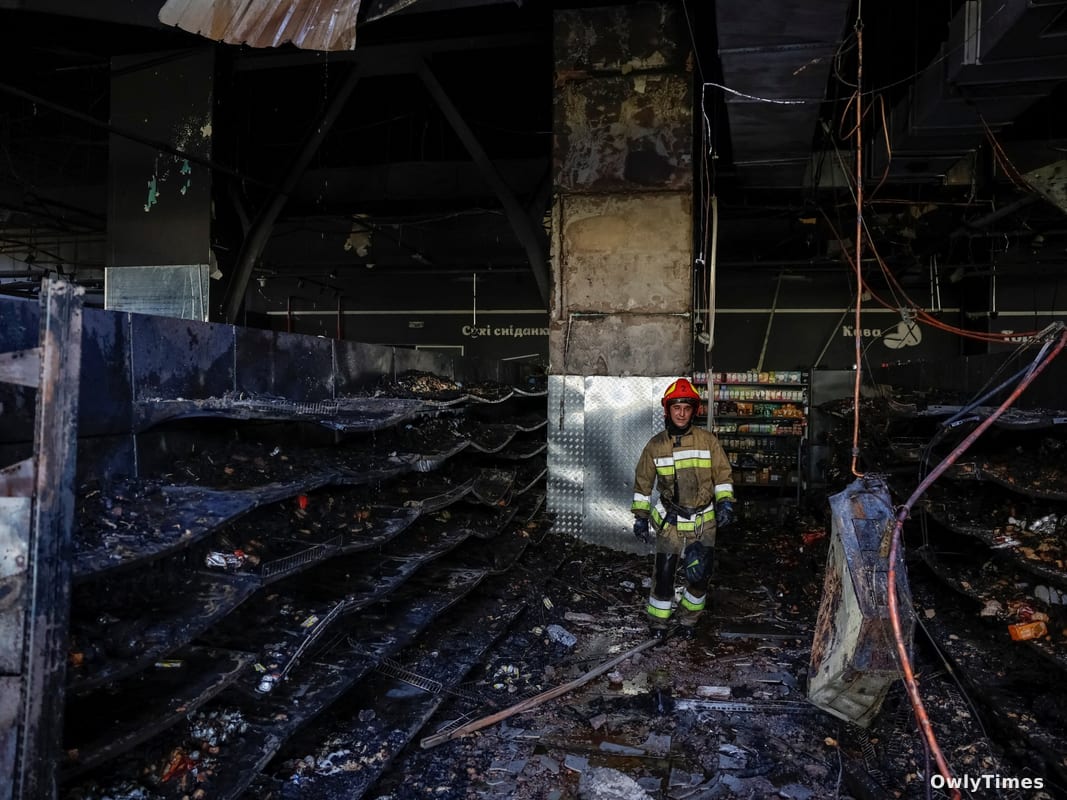
The missing names are only part of a broader, mounting skepticism regarding the administration's transparency. CBS News reports that the Pentagon has not held a public briefing on the war since May, forcing reporters to rely on a database that is clearly struggling to keep pace with events on the ground. The issue extends to injuries as well; while the CBS News account notes that 420 service members are listed as wounded, the Pentagon’s own spokesperson acknowledged nearly 100 additional injuries this week, though he maintained that 96% of those were minor concussions.
The lack of clarity has drawn sharp rebukes from Capitol Hill. CNBC notes that Rep. Adam Smith (D-Wash.) has criticized the administration for a total lack of transparency regarding both casualty statistics and equipment losses. When a government’s database is "glitching" in a way that consistently undercounts the human cost of a conflict, it is rarely just a software bug. It is a signal of a system designed to keep the public in the dark.
The Signal to Watch
Ultimately, we are seeing the classic tech-policy trap: relying on a centralized, automated dashboard to define reality. When that dashboard fails, the fallout isn't just a PR headache—it erodes the basic trust between the military and the public it serves.
The next measurable signal will be whether the Military Services follow through on the Pentagon’s promise to resolve these "anomalies" in coordination with the database administrators. If the names of those four service members do not reappear on the official list, it will confirm that this "data disruption" was never a technical error, but a policy shift—one that prioritizes bureaucratic categories over the reality of who has fallen in the line of duty.