
The resurgence of the “Montana Plan” isn’t about campaign finance reform; it’s a strategic realignment of power, a state-level challenge to a federal system demonstrably captured by concentrated wealth. The proposal, gaining momentum after a recent court decision, aims to deny corporations the right to spend money in Montana elections – and by extension, to offer a blueprint for other states to do the same. This isn’t a naive attempt to “get money out of politics,” but a calculated move to exploit a vulnerability in the post-Citizens United landscape: the enduring power of states to define the rights of corporations chartered elsewhere.
The core premise, articulated by Dan Quinlan and championed by figures as ideologically distinct as former Republican National Committee Chairman Marc Racicot and former Democratic Governor Steve Bullock, rests on a fundamental tenet of corporate law. Corporations are creatures of the state, possessing only the powers granted by the state of their incorporation. Federal campaign finance regulations, rendered largely impotent by court rulings, become secondary when states assert their authority over corporate behavior within their borders. The timing is critical. Following the 2024 election, which saw a staggering $4.5 billion spent – a more than fifteen-fold increase from the $280 million spent in 2004 – the perception of systemic corruption is reaching a boiling point, creating fertile ground for such challenges.
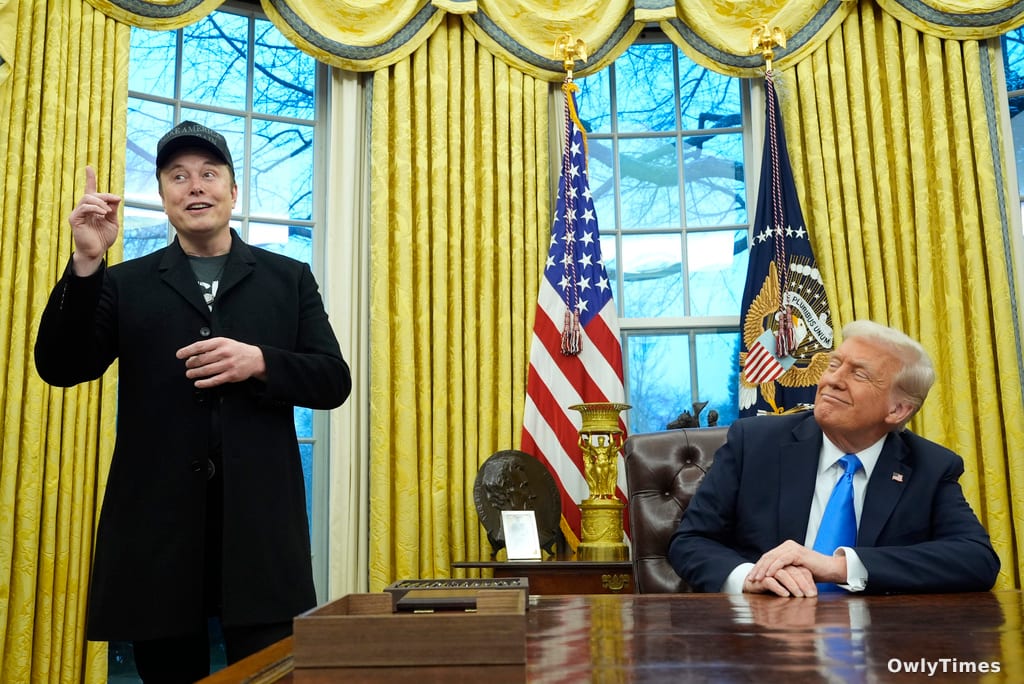
The immediate catalyst for renewed attention is the visible return on investment for major donors. Elon Musk, who contributed $291 million to the 2024 election cycle, was photographed in the Oval Office with President Donald Trump shortly after the inauguration, overseeing the “Department of Government Efficiency” initiative. Simultaneously, companies linked to Musk benefited from billions in government contracts. This isn’t merely a coincidence; it’s a demonstration effect, illustrating the direct link between financial contribution and policy outcome. Similarly, the fossil fuel industry’s nearly $250 million investment in the 2024 election preceded a swift reversal of renewable energy projects, withdrawal from international climate commitments, and even the removal of “climate change” from government websites – actions that simultaneously undermined a burgeoning domestic industry and ceded global market share to China.
See the original ctmirror.org story for the full account.
This dynamic echoes historical precedents. The late 19th century’s “Gilded Age” saw similar concentrations of wealth and influence wielded by railroad barons and industrial magnates, leading to widespread public outrage and the rise of the Progressive movement. Like today, the response wasn’t solely federal regulation, but also state-level reforms aimed at curbing corporate power – anti-trust laws, railroad regulations, and direct democracy initiatives like the initiative and referendum. The Montana Plan represents a modern iteration of this strategy, recognizing that the federal government, increasingly paralyzed by partisan gridlock and legal challenges, may be unable or unwilling to address the problem. Justice John Paul Stevens’ dissenting opinion in Citizens United, warning that the decision “rejects the common sense of the American people,” foreshadowed this very outcome – a fracturing of faith in the system and a search for alternative avenues of redress.
Who benefits and who loses from the Montana Plan’s success? States that adopt similar measures would regain a degree of control over their political processes, potentially fostering greater responsiveness to local concerns. Candidates reliant on small-dollar donations and grassroots organizing would be advantaged, while corporations and wealthy donors would see their influence diminished. The losers, predictably, are those who have profited most from the current system – the industries that spend heavily on lobbying and campaign contributions, and the political operatives who facilitate those transactions. The tension lies in the inevitable legal challenges. Corporations will argue that such state laws infringe on their First Amendment rights, setting the stage for a protracted battle in the courts.
The political chess move to watch next isn’t in Washington, but in state capitals. Specifically, will Connecticut follow Montana’s lead and introduce legislation mirroring the “Montana Plan”? The success of this effort hinges not just on legal arguments, but on building a broad coalition of support – appealing to voters across the political spectrum who feel disenfranchised by the current system. The question isn’t whether states can regulate corporate spending, but whether they will – and whether they can withstand the inevitable backlash from powerful interests.





