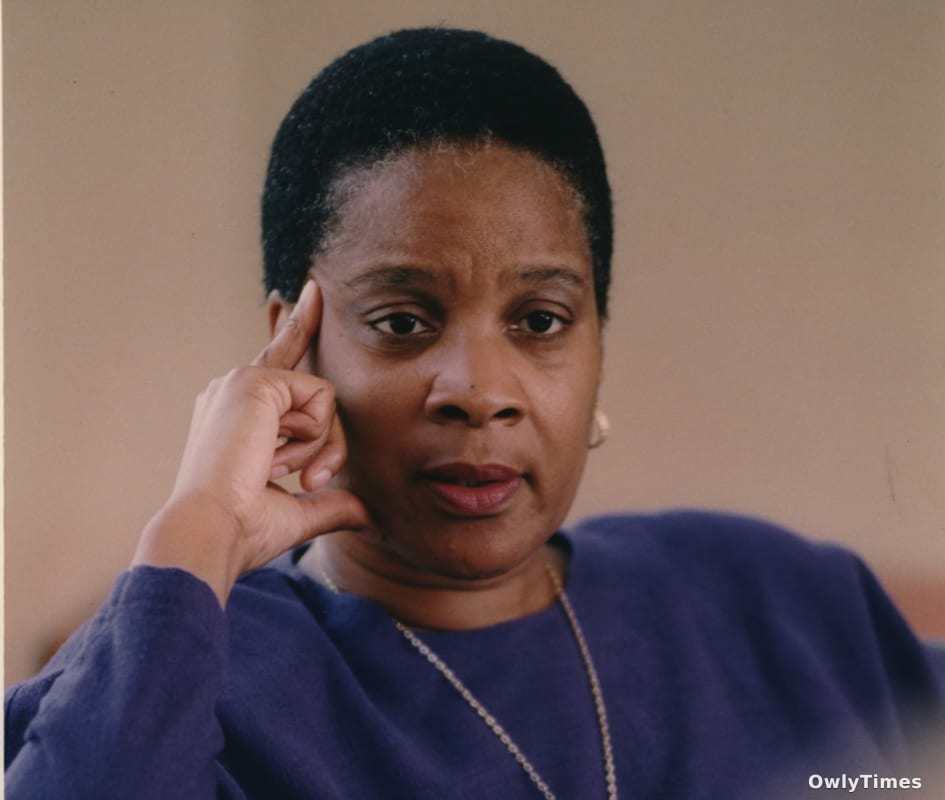

The passing of Avel Gordly this week, at the age of 79, isn’t simply the loss of a pioneering Oregon politician; it’s a stark reminder of how recently the state’s political landscape began to reflect the diversity of its population. While tributes rightly celebrate her as the first Black woman elected to the Oregon Senate in 1996, the outpouring of grief also subtly underscores the persistent underrepresentation that characterized her career – a reality highlighted by a recent anecdote shared by U.S. Rep. Janelle Bynum, who was repeatedly mistaken for a relative of Gordly’s simply because of their shared identity. This wasn’t a matter of simple misrecognition, but a reflection of a political environment where the presence of Black women in positions of power was, and to a degree remains, so unusual as to defy expectation.
Bridging Divides: Gordly’s Approach to Oregon Politics
What distinguished Avel Gordly wasn’t just that she broke barriers, but how she navigated the often-fractious world of Oregon politics. Senators from both sides of the aisle, including Lew Frederick, a Democrat from Portland, and Fred Girod, a Republican from Silverton, emphasized her commitment to collaboration. This wasn’t merely a matter of political expediency. Girod’s comment that he would “miss her as a friend” speaks to a genuine rapport that transcended party lines, a quality increasingly rare in contemporary political discourse. Gordly herself, at times identifying as an independent, seemed to embody a pragmatic approach to governance, prioritizing problem-solving over rigid ideological adherence. This is particularly noteworthy in the current climate, where polarization often overshadows the potential for bipartisan progress. The study of legislative effectiveness, conducted by organizations like Vote Smart, consistently demonstrates that lawmakers who prioritize cross-party collaboration are more likely to successfully pass legislation with lasting impact.
Original reporting: oregonlive.com.
A Legacy Beyond Legislation: Cultivating Community and Leadership
While her legislative achievements – improving the state’s education system, establishing multicultural curriculum requirements, and creating an environmental justice task force – are significant, the impact of Avel Gordly extends far beyond specific bills passed. Nafisa Fai, Washington County Commissioner and the first Black woman to hold that position, described Gordly as a mentor who instilled the values of service, integrity, and courage. This mentorship wasn’t a formal program, but a consistent pattern of support and encouragement that empowered a new generation of leaders. The existence of institutions like the Gordly-Burch Center for Black Leadership and Civic Engagement, and the behavioral health unit at Oregon Health & Science University bearing her name, are tangible testaments to this legacy. These aren’t simply symbolic gestures; they represent ongoing investments in the principles Gordly championed throughout her career. It’s important to note that the success of these centers isn’t guaranteed – sustained funding and community engagement are crucial for their long-term viability.
The Power of Representation: Acknowledging the Historical Context
The story of Janelle Bynum being mistaken for a relative of Avel Gordly is a powerful illustration of the historical context surrounding Gordly’s career. It wasn’t simply a case of mistaken identity, but a reflection of the scarcity of Black women in Oregon’s political sphere. This scarcity has real consequences. Research in political science consistently demonstrates that underrepresented groups are less likely to have their concerns addressed by policymakers, and that the lack of diverse representation can lead to policies that are less equitable and effective. Tina Kotek, Oregon’s current governor, acknowledged Gordly as a “powerful presence for justice,” but the fact remains that it took decades for Oregon to elect its first Black female senator. This delay isn’t simply a historical footnote; it’s a reminder of the systemic barriers that continue to impede the progress of underrepresented groups.
Looking Ahead: Continuing Gordly’s Work on Equity and Inclusion
As Lakeitha Elliott, executive director of the Gordly-Burch Center, noted, Avel Gordly wanted to be remembered not just for her political achievements, but for the community she fostered. This emphasis on community building is a crucial lesson for those seeking to continue her work. The next steps involve not only advocating for policies that address systemic inequities, but also actively cultivating the next generation of leaders, particularly those from marginalized communities. A key question moving forward is whether Oregon can translate the outpouring of grief and admiration following Gordly’s death into concrete action – specifically, increased investment in programs that support Black leadership and a renewed commitment to dismantling the barriers that continue to hinder their progress. Will the state prioritize funding for initiatives like the Gordly-Burch Center, and will it actively work to create a more inclusive political environment? The answer to that question will ultimately determine whether Gordly’s legacy truly endures.





