
The Calculus of Seconds: De-escalation, Intervention, and Lethal Force in Hartford
The firing of Joseph Magnano, a probationary Hartford police officer, following the fatal shooting of Steven Jones isn’t simply a story about police misconduct; it’s a stark illustration of the incredibly narrow window – often measured in seconds – where decisions about the use of force are made, and the profound consequences that follow. While headlines focus on the swiftness of the shooting – 30 seconds from Magnano’s arrival on scene to the moment he discharged his weapon – the core question this case raises is not whether the shooting was legal, as the police union contends, but whether it was necessary, given the ongoing de-escalation efforts already underway. This distinction is critical, and often lost in the immediate aftermath of such events.
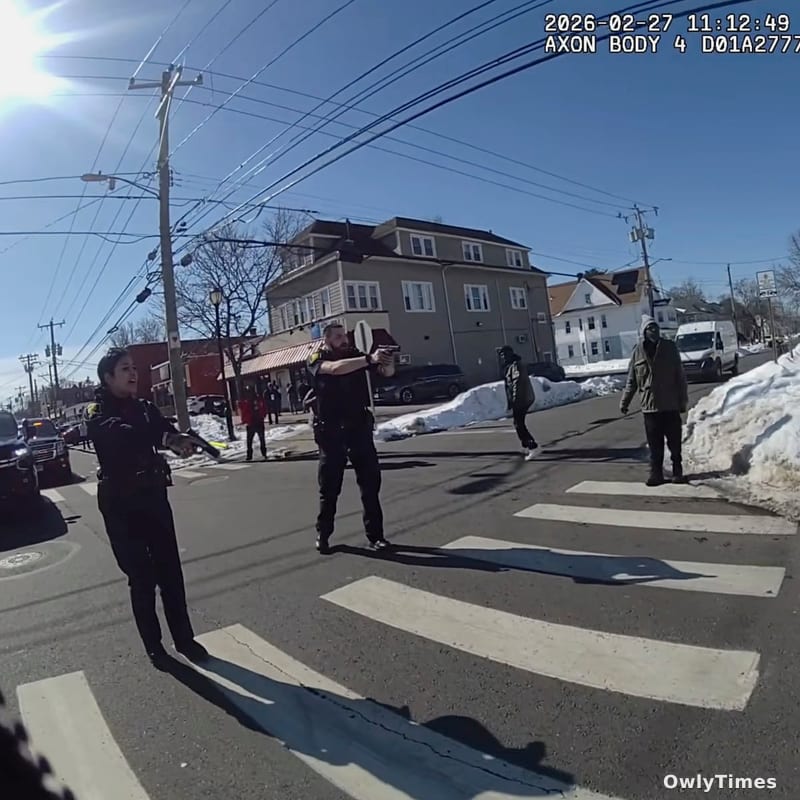
The incident, occurring on February 27th, unfolded after Steven Jones’s sister, Audrey Jones, proactively contacted 911 seeking mental health assistance for her brother. She explicitly reported he was experiencing a crisis and possessed a knife, having self-harmed. This detail is crucial. It signifies a call for help, not a report of an immediate threat to others, and should, ideally, dictate the tactical approach. The initial response by three officers – James Prignano, and two others whose names have not been publicly released – reflects this understanding. For twelve minutes, body camera footage shows them engaging Jones in verbal de-escalation, repeatedly assuring him they were there to help and urging him to drop the knife. Phrases like “We’re going to make sure you’re OK” were consistently used, a technique rooted in crisis intervention training designed to build rapport and reduce tension. This prolonged engagement, while not guaranteeing a peaceful resolution, demonstrates a commitment to minimizing harm.
The arrival of Magnano fundamentally altered this dynamic. Within 30 seconds of exiting his cruiser, he drew his pistol and issued a direct threat: “You’re going to get shot.” This contrasts sharply with the preceding twelve minutes of reassurance and calm. The video evidence further reveals Officer Prignano physically gesturing for Magnano to stand down, suggesting a disagreement in tactical approach. Despite this, Magnano fired nine shots as Jones slowly approached, ultimately leading to Jones’s death four days later in hospital. The speed of escalation is particularly jarring when considered alongside the fact that Magnano was a new officer still on probation, suggesting limited experience in handling complex, emotionally charged situations. This raises questions about the adequacy of training and supervision provided to new recruits, and the potential for impulsive decision-making under pressure.
Reporting from The Guardian informs this analysis.
It’s important to note that this shooting occurred just eight days after another Hartford officer fatally shot a man also experiencing a mental health crisis. This clustering of incidents underscores a systemic issue within the department – and, arguably, within policing more broadly – regarding responses to individuals in acute mental distress. While the state inspector general’s office investigates to determine potential criminal charges, the focus shouldn’t solely be on individual culpability. The investigation must also assess departmental protocols, training curricula, and the overall culture surrounding the use of force in mental health encounters. The current rate of fatal police shootings of individuals experiencing mental health crises nationally remains stubbornly high, with data from Mapping Police Violence indicating that roughly 20% of those killed by law enforcement each year exhibit signs of mental illness.
Limitations to Consider
The available information is currently limited to video footage and statements from Mayor Arulampalam. A comprehensive understanding requires access to the full investigation report from the state inspector general, including detailed analyses of the 911 call, officer statements, and forensic evidence. Furthermore, the public’s perception is inevitably shaped by the edited excerpts of body camera footage released to date. It’s crucial to remember that these videos offer a specific perspective and may not capture the entirety of the situation. The police union’s claim of lawful use of force also warrants careful scrutiny, as legal justification does not necessarily equate to ethical or best-practice policing.
The Path Forward: Beyond De-escalation Training
The next critical step is a thorough and transparent review of Hartford’s police training programs, specifically focusing on crisis intervention techniques and de-escalation strategies. While many departments now offer such training, its effectiveness hinges on consistent reinforcement, realistic scenario-based exercises, and a departmental culture that prioritizes preservation of life. Beyond training, a broader conversation is needed about the appropriate role of law enforcement in responding to mental health crises. Increasingly, cities are exploring alternative response models, such as sending trained mental health professionals alongside – or instead of – armed officers. This approach, known as co-response or crisis response, has shown promising results in reducing the use of force and improving outcomes for individuals in crisis.
Looking ahead, residents of Hartford – and communities nationwide – should be asking: what specific changes will be implemented to prevent similar tragedies? Will the department adopt a co-response model? Will there be increased investment in mental health services to address the root causes of these crises? And, crucially, how will the department ensure that probationary officers receive adequate supervision and support when confronting high-stakes situations? The answers to these questions will determine whether the firing of Officer Magnano serves as a catalyst for meaningful reform, or simply becomes another statistic in a tragically familiar pattern.





