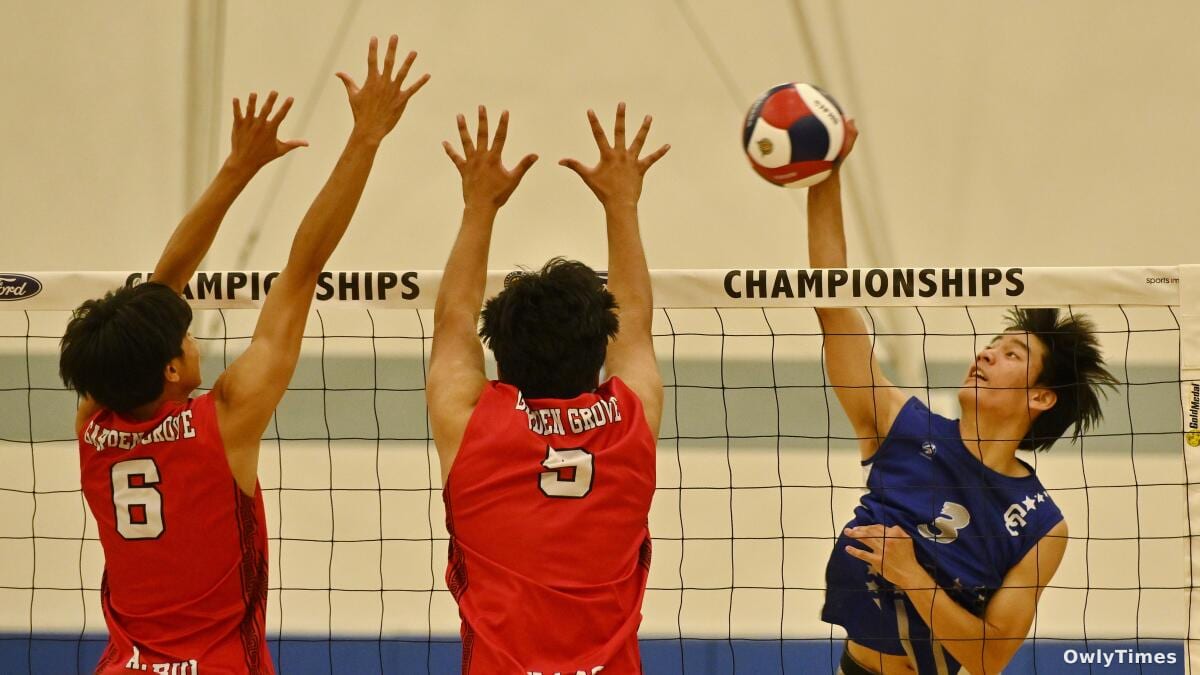

The sound of a volleyball hitting the floorboards is supposed to be the heartbeat of a high school season, a rhythmic echo of home-court advantage. For the boys’ volleyball team at Culver City High, that heartbeat was silenced early. When flooding rendered their school gym unusable last fall, the team didn’t just lose a venue; they lost their sanctuary. Yet, as detailed in a recent report from the Los Angeles Times, they managed to turn a logistical nightmare into a masterclass in resilience.
The Nomadic Championship Run
Most programs thrive on the familiarity of their own lines and the energy of a home crowd, but Culver City spent their entire season on the road. They played a grand total of just two home matches throughout the year. Despite this transient existence, the team secured a Southern Section Division 6 championship last week. It is a rare feat in prep sports, where the "home-field advantage" is often treated as a prerequisite for success. Under the guidance of coach Joe Manzo, the players proved that the game is played between the ears as much as it is on the court.
The team’s success wasn't just a matter of tactical adjustment; it was anchored by individual players who had already learned to thrive in the face of chaos. Sophomore Ken Hasegawa emerged as a standout force, his ability to deliver a decisive spike becoming the team’s most reliable weapon. His development during such an unstable season highlights a growing trend in youth athletics where adaptability is becoming the most valuable metric for a recruit's potential.
Building Resilience Through Adversity
The narrative of this season is inextricably linked to the personal histories of the athletes. Senior Casey Brennan brought a unique perspective to the roster, having navigated the traumatic aftermath of the January 2025 fires that shuttered Palisades High School and decimated local neighborhoods. Brennan’s transition to Culver City was more than just a change in jersey; it was a testament to the grit required to maintain focus when one's environment is quite literally falling apart. His contributions were essential to the championship run, bridging the gap between talent and the mental fortitude required to win in hostile territory.
This story mirrors the broader reality of modern high school sports, where schools increasingly face unexpected disruptions due to environmental factors and aging infrastructure. According to the California Interscholastic Federation, the governing body for high school athletics in the state, the ability to pivot amidst facility closures is becoming a necessary skill set for coaches and athletic directors. When the physical architecture of a program fails, the cultural architecture—the trust between a coach like Manzo and his players—must hold the weight.
The Final Point
The season for Culver City concluded this past Tuesday with a hard-fought loss in the Division III regional playoffs. While the championship trophy is currently sitting in a case, the true legacy of this team is the blueprint they created for operating without a home. Their performance serves as a reminder that the institutional challenges facing school districts today—whether from natural disasters or deferred maintenance—do not have to dictate the competitive ceiling of their student-athletes.
As the off-season begins, the next reading of regional playoff participation numbers and facility availability reports will indicate whether this "road-warrior" model remains an anomaly or becomes a necessary evolution for teams facing similar infrastructure crises. For now, the players at Culver City have proven that even when the gym floor is off-limits, the game goes on.

