
$4.4 Billion in Development Signals Culver City’s Transformation From Drive-Through Town to Tech & Creative Hub
Culver City is experiencing a development boom unlike any other in Los Angeles County, with a staggering $4.4 billion in projects currently in the pipeline. This isn’t simply growth; it’s a fundamental reshaping of a city historically defined by its transient nature, a place people passed through on the way to somewhere else. The influx of major players like Apple, Amazon, TikTok, Ikea, and now Pop Mart, isn’t random. Follow the money, and a clear pattern emerges: Culver City is strategically positioned to capitalize on the limitations of traditional Silicon Beach and the growing demand for accessible creative space.
Drawn from the Los Angeles Times.
The shift began two decades ago with the tech boom on the Westside, driving up real estate costs and congestion. Companies, priced out of beachfront properties, began looking inland. Culver City, conveniently located between downtown Los Angeles and the coast, offered a solution. But the current wave of investment isn’t just about affordability. It’s about a deliberate strategy by city leaders to cultivate a business-friendly environment, eliminating parking requirements for new development – a move that directly reduces construction costs – and establishing a small-business assistance program to streamline permitting. These aren’t cosmetic changes; they represent a quantifiable reduction in the barriers to entry for businesses.
Ikea’s recent announcement to open a store in the Helms Bakery complex, despite the address technically falling within Los Angeles city limits, is a telling example. The company pointedly announced its presence in Culver City, recognizing the city’s growing brand as a destination. This isn’t merely about furniture sales; it’s about tapping into a demographic increasingly impacted by affordability challenges, as highlighted by Ikea spokesperson Briana Lehman. The average home price in Culver City now exceeds $1.2 million, and the city acknowledges the need to address housing concerns, with 600 of the 3,341 units planned by 2029 designated as affordable. However, 600 units represent just 18% of the total, raising questions about whether this pace will truly mitigate the potential for displacement.
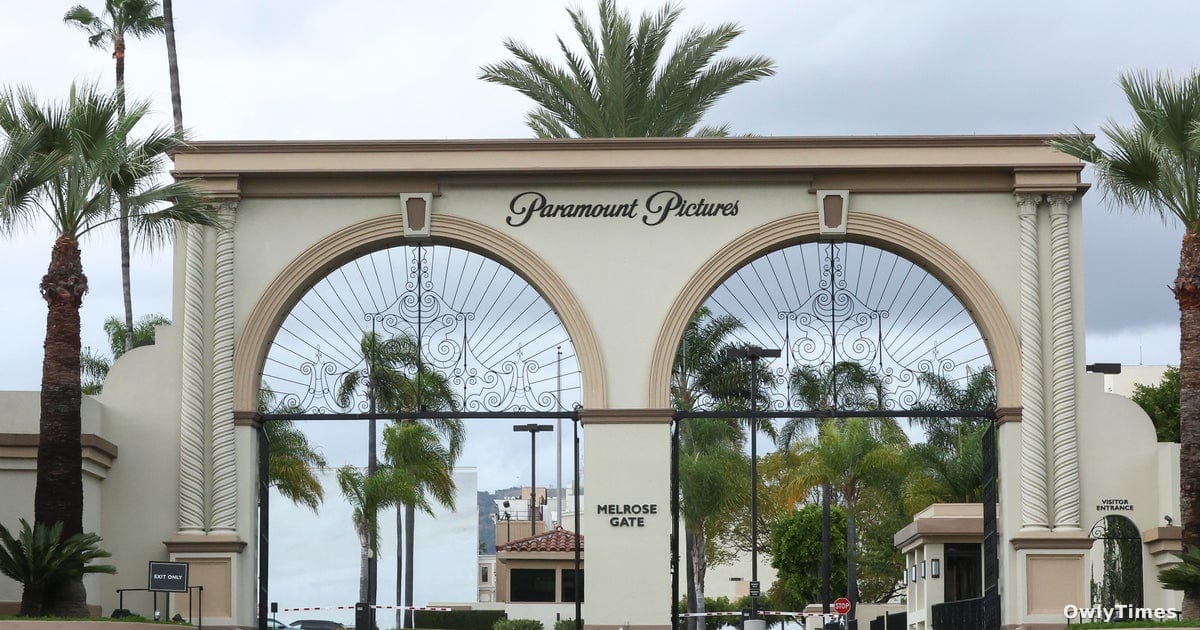
The city’s transformation is deeply rooted in its history as a “maker city,” as described by studio owner Michael Hackman. From its origins along railroad lines connecting Los Angeles to Venice, Culver City fostered a culture of production. The legacy of Culver Studios, where cinematic classics like “Gone With the Wind” and “Citizen Kane” were filmed, continues to attract creative industries. Amazon MGM Studios now occupies the same grounds, demonstrating a continuity of purpose. This historical context is crucial; it’s not simply a new trend, but a revitalization of a long-standing identity. The recent arrival of Pop Mart, the Chinese maker of the viral Labubu dolls, further solidifies this trend, with Hackman reporting a surge of interest from fans eager to connect with the brand’s new U.S. headquarters.
However, the city’s ambitious redesign of its public spaces, aimed at improving pedestrian, bicycle, and public transit access, has met with mixed reviews. Architect Lise Bornstein describes navigating the redesigned Washington Boulevard as “insane,” highlighting the challenges of integrating multiple modes of transportation. While the intent – reducing congestion and emissions – is laudable, the execution requires careful monitoring and potential adjustments. The success of this initiative will be a key indicator of Culver City’s ability to balance growth with livability.
What this means for your wallet: Expect increased competition for housing in Culver City, potentially driving up rental costs. However, the influx of businesses and improved public transit options could also lead to increased job opportunities and reduced transportation expenses. The critical question for consumers and investors is whether the city can successfully manage its growth and maintain its unique character, or if it will succumb to the same pressures that have plagued other parts of Los Angeles. Watch closely to see if the planned affordable housing units are delivered on schedule and if the transportation redesigns are effectively addressing congestion concerns – these will be the key indicators of Culver City’s long-term success.