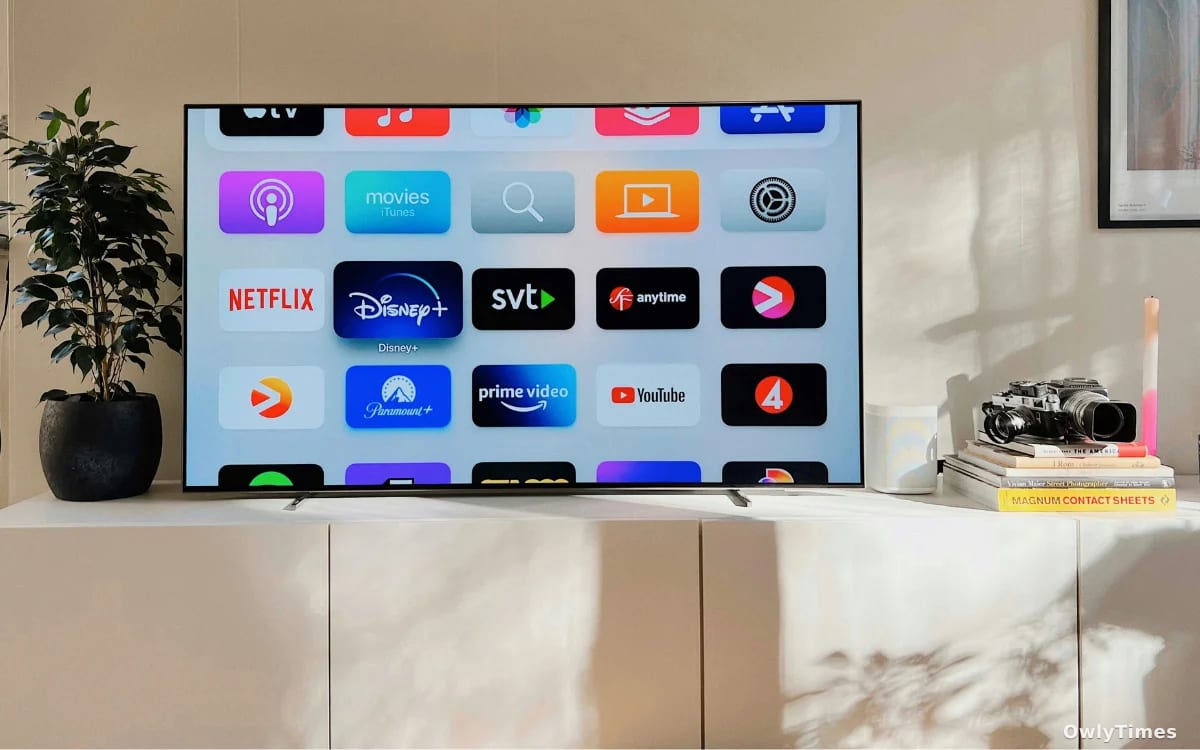

The buffering wheel. That hypnotic spiral that’s become a symbol of modern frustration, especially on a Friday night when all you want is to lose yourself in the latest binge-worthy drama. For millions, the culprit isn’t the streaming service itself, but the invisible bottleneck of their home WiFi. As our lives increasingly orbit around seamless digital experiences, the humble Ethernet cable is staging an unlikely comeback, a reminder that sometimes, the oldest solutions are the most reliable. But this isn’t just about smoother streaming; it’s a reflection of how we’re grappling with the ever-increasing demands on our bandwidth and the widening gap between what’s promised and what’s delivered.
The Streaming Boom and the WiFi Strain
The rise of streaming is nothing short of a cultural earthquake. Since Netflix launched in 2007, the landscape of entertainment has been irrevocably altered, spawning dozens of competitors – Disney+, HBO Max, Paramount+ – and collectively amassing millions of subscribers globally. This explosion of content, delivered on demand, has fundamentally changed how we consume stories, but it’s also placed an unprecedented strain on our home networks. Netflix itself states that 15Mbps is sufficient for 4K streaming, and 25Mbps for faster loading, yet many households are juggling multiple devices, each vying for bandwidth. An Ethernet cable, capable of delivering up to 100Mbps, offers a significant upgrade, a dedicated lane on the information highway. It’s a solution recommended by major TV manufacturers like Samsung and Sony, who understand the importance of a stable connection for optimal performance.
Based on the original supercarblondie.com report.
Beyond the Buffer: Gaming and the Need for Speed
The benefits extend far beyond simply eliminating those frustrating pauses mid-scene. The modern Smart TV is no longer just a television; it’s a hub for gaming, interactive apps, and increasingly, a central component of the smart home ecosystem. Here, latency – the delay between input and response – becomes critical. An Ethernet cable can reduce ping time by up to 50 percent compared to WiFi, a game-changer for online gamers where milliseconds can mean the difference between victory and defeat. This isn’t just about leisure; it’s about the growing convergence of entertainment and interactive experiences, and the demand for real-time responsiveness. The shift highlights a subtle tension: we’re promised a wireless future, yet the most reliable performance often requires a physical connection.
Choosing Your Cable and a Glimpse of the Future
The setup is surprisingly straightforward. Choosing the right Ethernet cable – from the widely available Cat5e (1Gbps) to the cutting-edge Cat 8 (40Gbps) – and plugging it directly from your router to your TV’s LAN port is all it takes. A quick settings adjustment to select “Wired Connection” and you’re set. But even as we optimize our home networks with these practical solutions, scientists are pushing the boundaries of what’s possible. Researchers in Japan recently achieved a staggering feat, transmitting 1.02 petabits of data – equivalent to 1,000 trillion bits – over 1,118 miles using a 19-core optical fiber. To put that into perspective, that speed could download the entire Netflix library in a single second.
The Long Game of Bandwidth
While these Japanese breakthroughs remain largely confined to research labs, they offer a tantalizing glimpse into the future of internet connectivity. For now, the Ethernet cable remains the most accessible solution for most households. But the story isn’t just about faster speeds; it’s about equity. As bandwidth demands continue to rise, access to reliable, high-speed internet will become increasingly crucial for participation in the digital economy and access to essential services. The question isn’t just if we’ll achieve these futuristic speeds, but who will have access to them, and what will be the societal implications of a world where seamless connectivity is a privilege, not a right? Will the gap between those with fiber optic connections and those relying on aging infrastructure continue to widen, creating a new digital divide? That’s the buffering question we should all be asking.