
The surge in data center construction isn’t simply an infrastructure boom; it’s a calculated political opportunity being exploited by underdog candidates across the country. While national attention remains fixed on broader economic anxieties, a growing chorus of Democrats – and, to a lesser extent, Republicans – are weaponizing voter concerns about rising electricity bills and environmental impact to differentiate themselves in crowded primaries and challenge established incumbents. The strategic calculus is clear: tap into localized anxieties about affordability and corporate influence to gain traction where traditional messaging falls flat.
The issue’s potency lies in its direct impact on pocketbooks. John Quigley, former secretary of Pennsylvania’s Department of Environmental Protection under Tom Wolf, succinctly frames the core concern: “Anybody that pays an electric bill, if they’re paying attention, should be motivated and concerned.” This isn’t abstract policy debate; it’s a tangible cost increase felt by voters, making it a particularly effective wedge issue. A POLITICO poll conducted in January by Public First reveals a surprisingly nuanced electorate – 37% support data center construction within three miles of their home, but 28% oppose it, with another 28% undecided. This suggests a significant vulnerability for candidates perceived as overly supportive of the industry.
This article draws on reporting from eenews.net.
The partisan breakdown of opposition is also revealing. While opposition isn’t monolithic, 33% of voters who supported Kamala Harris in 2024 express reservations about nearby data centers, compared to 26% of Donald Trump voters. This challenges the narrative of data center opposition as solely a progressive concern, indicating a broader, cross-ideological anxiety about the costs associated with these facilities. The relatively small difference suggests the issue cuts across party lines, driven more by local impact than national political affiliation. This is where the opportunity lies for candidates willing to articulate those concerns.
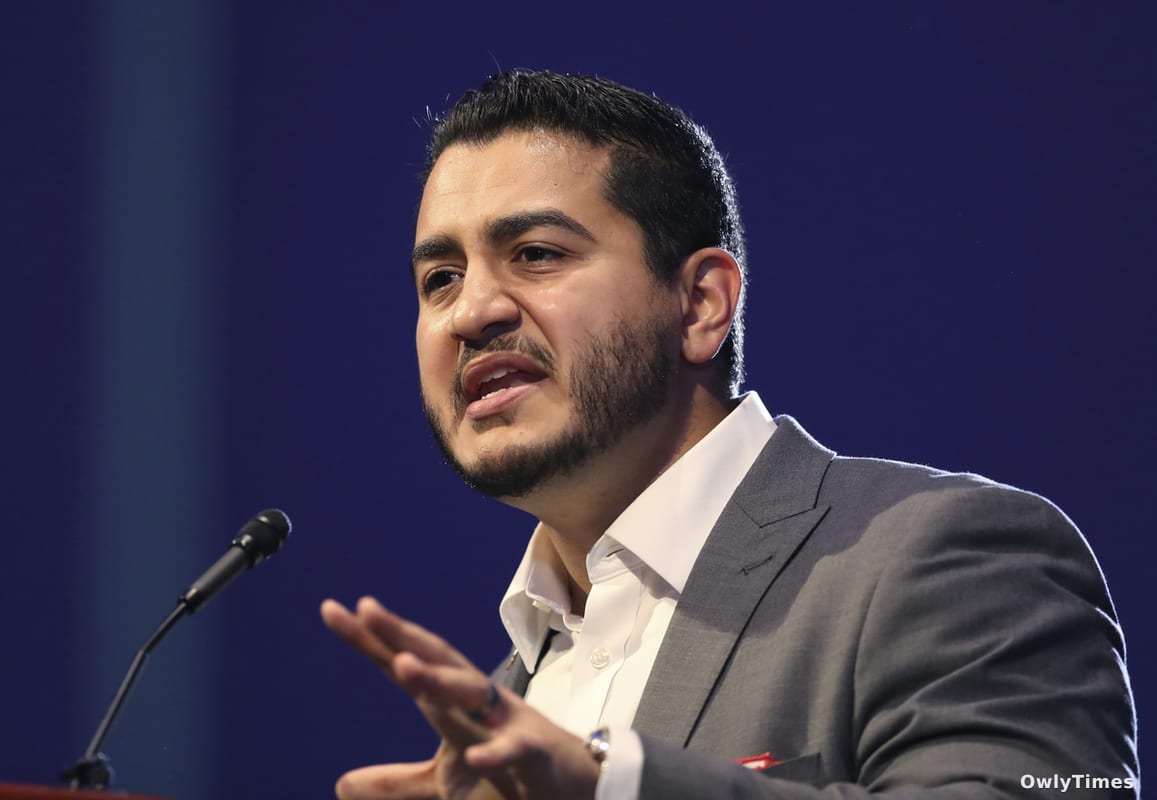
In Michigan, Abdul El-Sayed, a Democratic candidate for U.S. Senate, is leading the charge. He’s framed the debate as a matter of political courage, declaring, “Running away from these issues is, frankly, bad politics. It’s cowardly politics.” El-Sayed has proposed a “Terms of Engagement” for data centers, demanding they cover their own energy costs, protect water resources, and face penalties for failing to meet job creation promises. His platform, and pointed criticism of his opponents’ ties to utility companies like DTE, positions him as an outsider willing to challenge powerful interests. While trailing in polls against Haley Stevens and Mallory McMorrow, he remains competitive, demonstrating the issue’s potential to move voters. The fact that McMorrow is now also proposing federal legislation to address data center impacts underscores the issue’s growing salience within the Democratic primary.
The dynamic isn’t limited to Michigan. In Georgia, long-shot gubernatorial candidate Jason Esteves is leveraging data center concerns to distinguish himself in a crowded primary. He’s advocating for an end to taxpayer subsidies and a mandate for energy-efficient technology, capitalizing on the momentum of two Democrats who flipped seats in the Public Service Commission on a similar platform. Similarly, in Pennsylvania, Carol Obando-Derstine is using her engineering background to attack incumbent Ryan Mackenzie, highlighting his lack of expertise on resource adequacy and energy planning. These candidates, often underfunded and facing uphill battles, are finding a potent issue to amplify their voices and challenge the status quo.
However, the success of this strategy isn’t guaranteed. Neil Chatterjee, former chair of the Federal Energy Regulatory Commission, cautions that candidates must articulate the benefits of the underlying technology – artificial intelligence – alongside the necessary trade-offs. The challenge lies in acknowledging the value of innovation while mitigating its negative consequences. The Republican and Democratic parties haven’t yet established clear dividing lines on the issue, with only isolated voices like Bernie Sanders calling for a moratorium. This ambiguity creates an opening for candidates willing to take a nuanced, yet firm, stance.
The current political landscape mirrors historical moments where localized economic anxieties have fueled insurgent campaigns. The Populist movement of the late 19th century, for example, arose from farmers’ concerns about railroad monopolies and declining crop prices. Similarly, the rise of the Tea Party in 2009 was driven by anxieties about government spending and economic instability. In both cases, candidates successfully tapped into localized grievances to challenge established political elites. The data center debate, while different in specifics, shares this common thread: a sense of economic vulnerability and a perception that powerful interests are prioritizing profits over the well-being of ordinary citizens.
The political chess move to watch next isn’t whether national Democrats will fully embrace the data center issue – they likely won’t, given the industry’s lobbying power and the potential benefits of AI. Instead, the key question is whether these underdog candidates can translate localized concerns into measurable gains in fundraising and voter support. Specifically, will El-Sayed, Esteves, and Obando-Derstine be able to leverage the data center debate to close the fundraising gap with their better-funded opponents in the coming months? Their success – or failure – will reveal whether this emerging issue is a fleeting moment of political opportunism or a genuine shift in the electoral landscape.





