
$1.3 Million for a Slice of 1794: The Calculus Behind DC’s Historic Wheat Row Listing
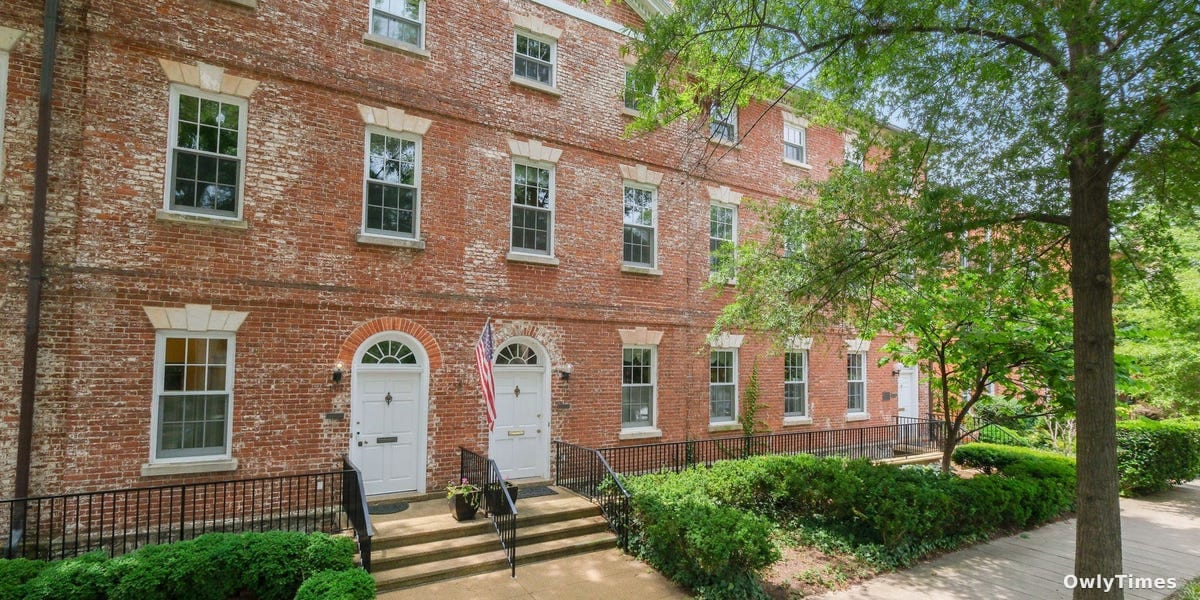
The asking price is $1.3 million, but the true cost of owning a piece of American history at 1317 4th Street SW in Washington, DC, is far more complex. This isn’t simply a real estate transaction; it’s a bet on the future value of preservation in a rapidly modernizing city, and a microcosm of the tensions between historic conservation and contemporary development. The listing, representing one of the original rowhouses built in 1794 – known collectively as Wheat Row – is drawing attention not for its affordability, but for what it reveals about the current state of the DC housing market and the financial realities of owning a landmark property.
The Weight of History: Beyond Bricks and Mortar
Wheat Row’s origins are inextricably linked to the founding of Washington, DC. Constructed starting in 1794 by James Greenleaf, these homes represent some of the earliest residential development in the newly designated capital. Named for John Wheat, an early resident and US Senate gardener, the rowhouses have witnessed over two centuries of the city’s evolution. Their listing on the National Register of Historic Places isn’t merely ceremonial; it imposes restrictions on alterations, adding to the cost and complexity of ownership. This is a key factor in the price point – a buyer isn’t just purchasing a 3,408 square-foot property, but a legally defined historical artifact. Compared to the DC metro area’s median home price of $600,000 as of January 2026 (according to Long & Foster data), the $1.3 million tag represents a significant premium solely attributable to the property’s age and historical designation.
Based on the original Business Insider report.
From Community Hub to Co-op: A Shifting Ownership Landscape
The history of Wheat Row isn’t solely one of affluent homeowners. In the mid-20th century, the homes served as community centers, housing organizations like the Barney Neighborhood House and the US Service Men’s Club. This period of non-residential use underscores a critical point: the value of these properties hasn’t always been tied to luxury housing. The transition back to residences in the 1960s, coinciding with the Harbour Square development project, marked a turning point. Today, the homes operate within a co-op structure, granting residents access to amenities like a rooftop deck, heated pool, and fitness center. This co-op fee, averaging $1,500 per month, adds a recurring expense that prospective buyers must factor into their long-term financial planning. Follow the money here: the co-op model shifts some of the burden of maintaining shared spaces, but also limits individual control over property modifications.
The Renovation Equation: Balancing Preservation and Modern Living
While the current seller, a retired history professor, clearly values the home’s past, the property isn’t without its challenges. Eric Stewart of Long & Foster Real Estate estimates a $100,000 renovation is needed to modernize the 1960s-era kitchen. Beyond the kitchen, the presence of seven fireplaces – while charming – complicates potential layout changes. The bathrooms, dating back to the 1950s, also require updating. These aren’t simply cosmetic issues; they represent significant capital expenditures. The cost of historically sensitive renovations is typically 20-30% higher than standard remodeling, according to the National Trust for Historic Preservation. This is because materials must often be sourced specifically to match the original construction, and skilled artisans are required to ensure the work meets preservation standards. The elevator, added in 2005, is a modern convenience, but even its wooden interior reflects an attempt to harmonize new features with the home’s historical character.
A Market in Flux: What This Means for Your Wallet
The listing arrives at a precarious moment for the DC housing market. A wave of job cuts in the past year has softened demand, particularly in Southwest Washington. However, the unique appeal of Wheat Row – its historical significance and proximity to the revitalized Southwest Waterfront – could attract buyers seeking a distinctive property. The area’s access to The Wharf, with its theaters, restaurants, and public spaces, adds to its desirability. But the question remains: will buyers prioritize historical charm over modern convenience, and are they willing to absorb the costs associated with preserving a 230-year-old home? If the property sells at or near the asking price, it will signal continued strength in the niche market for historic properties. However, a significant price reduction could indicate a broader cooling trend in the DC luxury housing sector. Investors and potential homeowners should watch closely to see if the buyer is a preservationist seeking to restore the home to its former glory, or a developer with plans for a sensitive modernization – the outcome will set a precedent for future preservation efforts in the nation’s capital.





