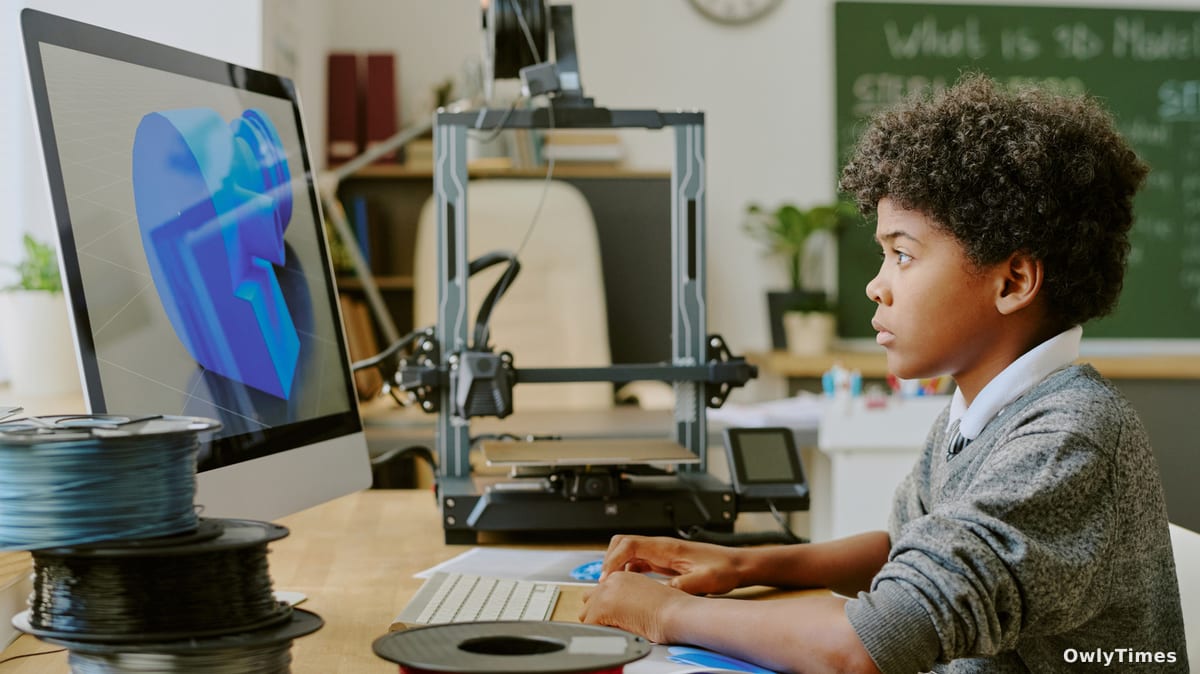

Is the future of retail…your garage? We’re told 3D printing is revolutionary, poised to disrupt manufacturing and usher in an era of hyper-personalization. The real story here isn’t industrial upheaval—it’s the quiet democratization of stuff, and how readily available, free designs are turning everyday hobbies into miniature production lines. Forget waiting for shipping or settling for what’s on the shelf; a growing number of people are simply printing what they need, or want, at home.
The accessibility is the key. Platforms like Thingiverse and Makerworld are brimming with user-created designs, and it’s not just abstract art or tech prototypes anymore. A recent standout is the Bluey Cookie Cutter and Stamp by a Thingiverse user, a clever two-part design that simplifies baking with kids. It’s a small thing, but it perfectly illustrates the shift: a weekend project that delivers immediate, tangible joy, printed with readily available PLA filament and requiring no support structures. While you can find more generic cookie cutters – a “Tom” from “Tom and Jerry” or Valentine’s Day themes – the option to purchase a “Merchant License” from Patreon users opens the door to professional use of these designs, blurring the line between hobby and small business. A quick search reveals a dizzying array of options, from “Among Us” characters to Batman figurines, proving the sheer volume of available content. Even The Dark Knight needs a snack, apparently.
Drawn from bgr.com.
But it’s not all about fandom and treats. The real power of this trend lies in its practicality. Why spend $80 on a bedside table when you can print a sturdy, customizable shelf that mounts directly to your bed frame for a fraction of the cost? A Thingiverse user’s version two of this shelf boasts improved stability and thoughtful design, featuring thick walls and generous contact points. This isn’t about replacing furniture stores; it’s about solving immediate needs with a level of customization you simply can’t find in a catalog. And it’s not limited to furniture. Wall-mounted bedside caddies with cup holders and remote storage, or low-profile gadget holders designed like miniature postboxes, are all readily available, perfect for beginner 3D printing projects.
The appeal extends beyond simple utility. The ability to create toys is a major draw, and the Jointed Rhino by a Thingiverse user is a prime example. Printing in separate parts and clipping them together, this articulated rhino offers surprisingly natural movement thanks to a well-thought-out joint design. While FDM printers work, the creator suggests a resin 3D printer with ABS-like or toughened resin for maximum detail and a smooth finish. This highlights a growing tension: the desire for high-quality results versus the affordability and ease of use of FDM technology. The same principle applies to the Jointed Gorilla, a more complex design with 20 parts and six hours of print time, recommending PETG filament and supports. These aren’t flimsy, floppy toys; they’re action figures with realistic articulation.
However, the most compelling example of this trend’s potential is Dummy 13, crowned the 2024 3D Model of the Year on Printables. This modular action figure is a testament to simple, effective design. Its poseability and expressive movement, combined with its ease of printing even on older machines, have made it a massive hit. Users are customizing it with different colors, paints, and even full-body remixes – a Superman shell, a Dummy 13-inspired dog – creating a thriving ecosystem of add-ons and accessories. A quick search on Thingiverse yields everything from coffee mugs to swords, making Dummy 13 arguably the most well-supported 3D printing project available. The key is remembering to scale accessories proportionally.
This isn’t just about practicality or play; it’s about creation and self-expression. The Hylian Shield and Master Sword from “The Legend of Zelda,” designed by a Thingiverse user, are perfect examples. Printed at 220%, the shield measures 272 mm x 220 mm, split into four pieces for easier printing, with optimized cuts ensuring a perfect fit. The Windwaker Master Sword is similarly designed for modular printing. These aren’t just display pieces; they’re potential cosplay props, demonstrating the power of 3D printing to bring fictional worlds to life.
And finally, the hobbyist element. Patrickart’s Pokémon and Studio Ghibli designs on Thingiverse are a testament to the power of fan-created content. While resin printers are recommended for the intricate details of characters like Charizard and Totoro, the accessibility of FDM printers still allows for impressive results. The process – printing, painting, and collecting – becomes a family activity, fostering creativity and shared enjoyment. Brands like Games Workshop, Army Painter, and Valejo provide the paints and tools needed to bring these creations to life.
The hype around 3D printing often focuses on large-scale manufacturing disruption. But the real revolution is happening at the individual level. Expect to see a surge in “print-on-demand” hobbies, where families aren’t just consuming entertainment, but actively creating it. The question isn’t if your neighbor will start a small 3D printing side hustle, but what they’ll print first. And more importantly, will you be asking them to print something for you?