
The Democratic Party’s approach to Israel is no longer a matter of nuanced diplomacy; it has become a high-stakes battleground for the party’s ideological soul. The strategic calculus driving this shift is a clear recognition that the traditional consensus—bipartisan, unconditional support—has lost its utility among the party’s base. By moving toward a more confrontational posture, Democratic lawmakers are not merely reacting to international events; they are actively re-aligning their political brand with a primary electorate that has undergone a fundamental transformation.
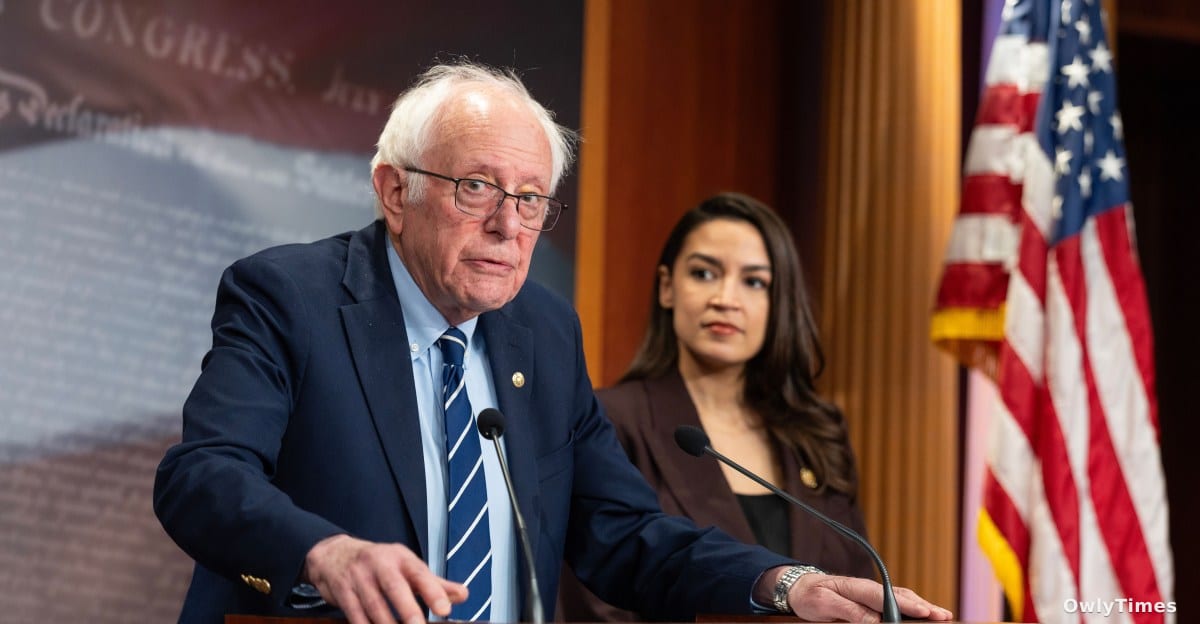
Who benefits and who loses in this realignment is becoming increasingly clear. The primary winners are the progressive activists who have successfully pushed Israel from a secondary foreign policy concern to a litmus test for Democratic loyalty. Conversely, the losers are the establishment figures and legacy organizations like the Democratic National Committee, whose leadership remains tethered to a traditional alliance that their own voters have largely abandoned. This tension was starkly illustrated on Wednesday, when 40 out of 47 Democratic senators voted to block a military sale to Israel. Such a degree of opposition is historically unprecedented, leaving pro-Israel Democrats, as reported by Marc Rod of Jewish Insider, “shocked and disillusioned.”
The volatility of this transition mirrors the domestic shifts seen during the late 1960s, when grassroots anti-war sentiment forced a reluctant party establishment to abandon the status quo. Much like that era, the current divide is driven by a demographic and ideological gap. Data from Pew Research polling conducted last month shows that 80 percent of Democrats or adults who lean toward Democrats view Israel unfavorably. This is a staggering climb from 2022, when a slight majority of 53 percent held that view. The devastation in Gaza following the October 7, 2023, Hamas attacks served as a catalyst, but the trend has been cemented by the joint US-Israel military engagements against Iran under President Donald Trump.
The political risk for officeholders is no longer hypothetical. In New Jersey’s 11th District, the recent special election victory of Analilia Mejia signaled that a fierce, left-wing critique of Israel is now a viable, even winning, electoral strategy. While Mejia won, the double-digit swing against her in historic Jewish enclaves like Livingston and Milburn highlights the fraying of the traditional "big tent" coalition. For ambitious politicians in swing states—such as senators Mark Kelly and Ruben Gallego of Arizona, Jon Ossoff of Georgia, and Elissa Slotkin of Michigan—the vote to block military sales is a calculated attempt to hedge against this shifting tide. They are attempting to walk a narrow tightrope, joining the rebellion while still attempting to maintain the posture of traditional allies, a balancing act that will become increasingly untenable as the primary calendar approaches.
The strategic friction is now moving toward the definition of "defensive" versus "offensive" aid. With groups like J Street calling for an end to direct military funding and figures like Rep. Alexandria Ocasio-Cortez signaling support for such measures, the debate is no longer about conditioning aid, but about the decoupling of the two nations entirely. As Matt Duss, a former adviser to Sen. Bernie Sanders, noted, there is a growing consensus that aid is fungible, rendering traditional distinctions between weaponry types obsolete in the eyes of the party’s activist wing.
The next signal of where this trajectory leads will be found in the 2028 primary debates. The degree to which candidates feel empowered to call for a total cessation of military support will serve as the final metric for whether the party has fully transitioned from an ally of the Israeli state to a force of active, systemic pressure.





