
Are we witnessing the final, sputtering gasps of the digital leash that publishers have used to chain PC gamers to their servers for the last decade? The real story here isn't just that a piece of software was broken—it’s that the entire philosophy of "always-on" ownership is collapsing under the weight of its own technical failure.
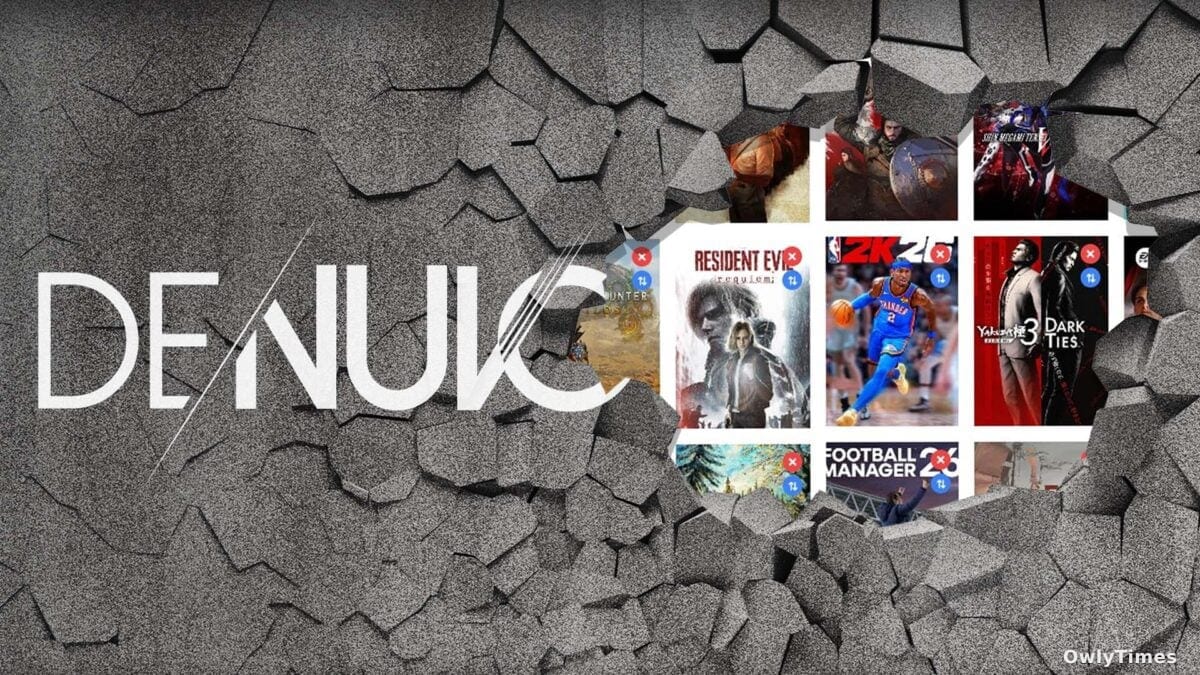
On April 27, a Reddit thread tracking games protected by Denuvo—the industry’s gold standard for anti-piracy—officially hit zero. Every game on that list, which tracks titles capable of running without constant server contact, has been bypassed. This wasn't a fluke; it was the result of a hypervisor-based bypass (HVB) developed by the MKDev collective and a modder known as DenuvOwO. By installing a kernel-level driver, these hackers have effectively rendered Denuvo’s primary function inert. The software is still technically there, like a deadbolt on a door that has been removed from its hinges, but it no longer stops anyone from walking through.
Performance Costs and the Preservation Paradox
For the average player, this news brings a strange, unintended benefit: better performance. There is already evidence that bypassing Denuvo can lead to tangible frame-rate improvements in titles like Resident Evil Requiem. This mirrors a situation seen in 2021 with a previous Resident Evil entry, where removing the DRM overhead provided a smoother experience for the end user.
This creates a perverse incentive for legitimate customers to seek out "cracked" versions of the software they purchased. When a pirate copy runs faster than the version you bought on Steam, the DRM isn't just failing to stop piracy—it is actively punishing the paying customer. Beyond performance, there is the long-term question of preservation. Without the work of modders and hackers, games become unplayable the moment a publisher decides to shutter their servers or delist a title. We are seeing a future where software longevity depends entirely on the people the industry is currently trying to lock out.
The 14-Day Digital Handcuff
Publishers aren't taking this surrender lying down, but their response feels less like a solution and more like a desperate pivot. 2K Games, as reported by Pirat Nation and Tom’s Hardware, has begun enforcing 14-day online check-ins for PC titles, including NBA 2K25, NBA 2K26, and Marvel’s Midnight Suns.
These games now utilize a “fixed offline authorization token” that forces a ping to Denuvo’s servers every two weeks. If you aren't online to refresh that digital handshake, the game simply stops working. The controversy here is as much about transparency as it is about control. Pirat Nation and various hackers claim this requirement is nowhere to be found on the games’ Steam Store pages or within their respective EULA documents. Kotaku reached out to both 2K and Denuvo for comment on these undisclosed restrictions, but the lines remained silent before the time of publication.
The Future of Permission-Based Gaming
The industry is currently caught in a feedback loop where every security measure creates a worse experience for the user, which in turn drives more users toward unauthorized bypasses. By shifting to 14-day windows, 2K is effectively turning single-player games into subscription services that require intermittent proof of life.
The next reading of the industry-wide adoption rate for these 14-day tokens will show whether this becomes the new baseline for PC gaming or if the backlash from players forces a retreat. If this strategy becomes the standard, the definition of "owning" a game will continue to drift toward a temporary, conditional license that can be revoked at the first sign of a lost internet connection.