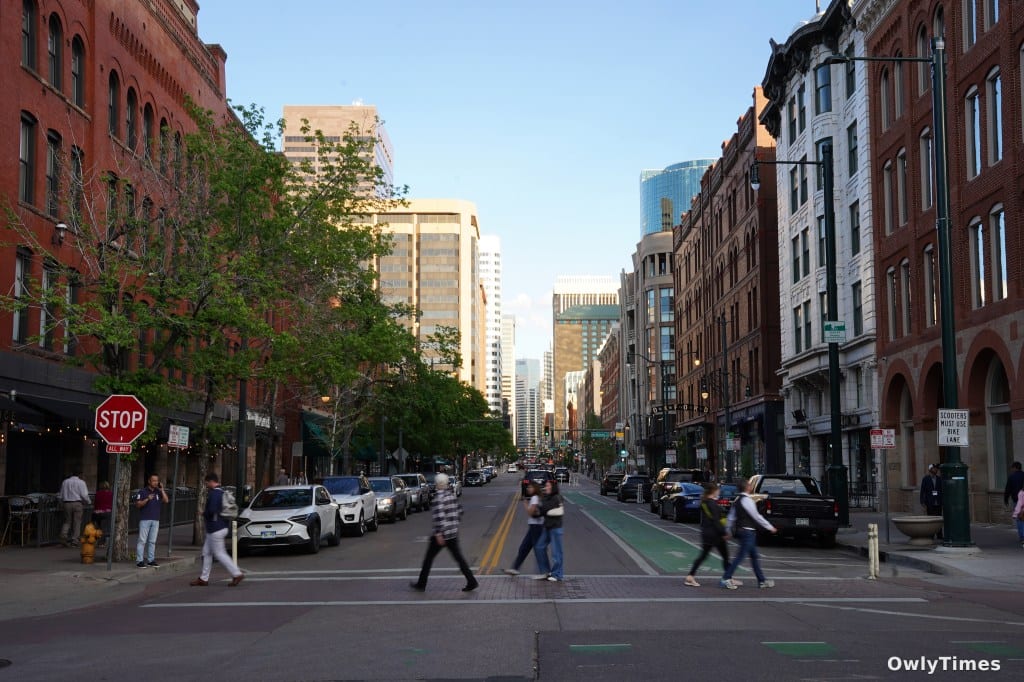

The neon lights of Denver’s nightlife have long flickered under the weight of a rulebook written when Olivia Newton-John’s “Physical” and Survivor’s “Eye of the Tiger” were dominating the Billboard Hot 100. For decades, the city’s entertainment landscape has been tethered to an administrative relic of the 1980s, a time capsule of bureaucracy that has struggled to keep pace with the modern rhythm of a growing city. Now, as Denver looks to shake off the lingering economic fatigue of the pandemic, city hall is finally attempting to trade its outdated red tape for a more fluid, contemporary approach to the midnight economy.
A Massive Overhaul of the Licensing Framework
The Department of Licensing and Consumer Protection, led by executive director Molly Duplechian, has officially unveiled a draft ordinance designed to fundamentally strip away the complexity of running a venue. Currently, the city forces businesses to navigate a labyrinth of 14 different entertainment licenses. Under the proposed framework, that number would be slashed to just three: limited entertainment, nightclub entertainment, and adult entertainment. By separating liquor licensing from entertainment permits for the first time, the city aims to lower the barrier to entry for everything from small coffee shops hosting acoustic sets to larger dance halls.
“Denver is striving to be more business friendly,” said Duplechian, who noted that the department is currently over-regulating in some areas while leaving others unchecked. The human impact of this shift is significant: currently, businesses often foot the bill for legal counsel to navigate mandatory “needs and desires” public hearings for cabaret licenses. Under the new proposal, those hearings would only be triggered by actual requests from neighbors, potentially saving entrepreneurs thousands of dollars and months of administrative uncertainty.
Balancing the Party with Public Safety
The city’s ambition isn’t just to make things easier for business owners; it’s to make the streets safer when the music stops. Mayor Mike Johnston’s office is positioning this overhaul as a vital tool for urban management. “We want to keep the party going, which means making sure we aren’t the reason it doesn’t get started in the first place,” said Jon Ewing, a spokesman for the mayor. The proposal even floats the idea of allowing nightclubs to extend their operations past the 2 a.m. state-mandated liquor cutoff, potentially staggering the exit of crowds to prevent the chaotic surges that have historically plagued neighborhoods like LoDo and Ballpark.
However, this flexibility comes with a price. New regulations would mandate rigorous safety measures, including video surveillance, weapons screenings, and the employment of dedicated night managers. Businesses would also be held accountable for the behavior of patrons on their properties and adjacent areas, a provision designed to address long-standing tensions between nightlife venues and the residents who live nearby.
The Cultural Stakes of Modernization
The reception from the community reflects the delicate tightrope the city is walking. Stephen Brackett, executive director of the nightlife advocacy group ONE Denver and frontman for the band The Flobots, has been vocal about the necessity of this shift. For advocates like Brackett, the goal is to lower the friction for smaller venues to host cultural events, effectively democratizing the city's entertainment scene. Conversely, neighborhood voices like Don Ku of the Denver Lower Downtown Neighborhood Association and local resident Jonathon Skavroneck remain cautiously optimistic. While they welcome the move toward simplification, they are watching closely to see if the new safety mandates provide enough teeth to actually mitigate the noise and disorder that have defined their recent experience.
The path forward for this legislative shift remains fluid. The city is currently collecting feedback through public meetings and an online survey, attempting to reconcile the competing interests of business owners seeking growth and residents seeking peace. The next indicator of the proposal's trajectory will arrive at a City Council committee meeting set for June 9, where the drafted language will face public scrutiny and potential revisions before the city determines if it can finally bring its nightlife regulations into the 21st century.