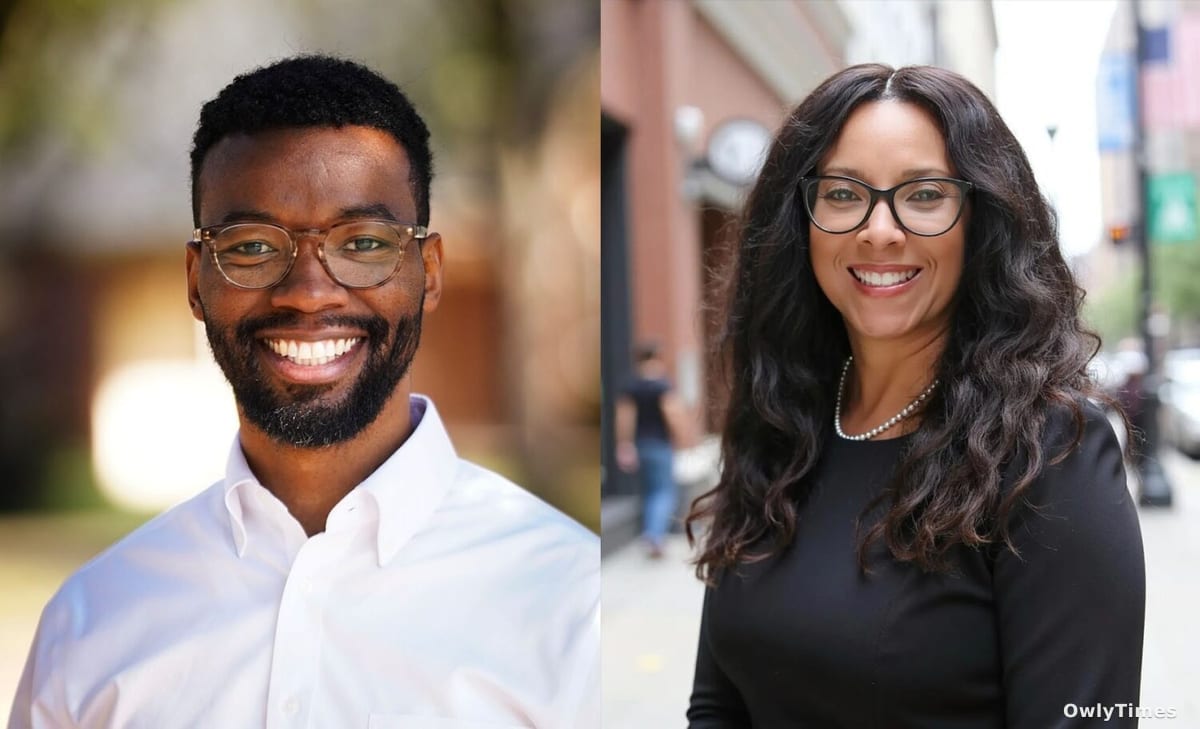

$380,000 in cash on hand serves as the primary firewall for Dexter McCoy in the Democratic primary runoff for Fort Bend County judge, a figure that dwarfs his opponent’s resources and underscores the widening gap in organizational capacity. While political races are often framed by ideology, the cold reality of the campaign ledger reveals a stark imbalance in the ability to mobilize voters. According to the Houston Public Media report, the fiscal gulf between the two candidates has become the defining feature of this contest.
Follow the Money: A Lopsided Ledger
McCoy, currently serving as the county’s Precinct 4 commissioner, has demonstrated significant fundraising momentum. Between late February and mid-May, he secured more than $234,000 in new contributions. This aggressive capital accumulation stands in direct contrast to the financial standing of Rachelle Carter, an associate judge with Sugar Land’s municipal court. Carter’s most recent public filing from February reported a mere $135 in cash on hand, following a total of approximately $12,000 in donations collected over an eight-month period starting in July 2025.
When a campaign operates with such limited liquidity, the ability to fund essential voter outreach—such as digital advertising, mailers, or field operations—is severely constrained. The silence from the Carter camp regarding more recent financial updates only deepens the impression of a campaign struggling to maintain financial viability. For investors and observers of local governance, this is a signal that the administrative machinery behind the McCoy campaign is functioning at a level of efficiency that his opponent has not matched.
Data-Driven Dominance in the 18th District
The financial disparity is mirrored by polling data that suggests a blowout. A recent survey conducted by the University of Houston’s Hobby School of Public Affairs places McCoy ahead of Carter by 37 percentage points among likely voters within Texas’ 18th Congressional District. This district, which was redrawn last year by state lawmakers to encompass parts of Fort Bend and Brazoria counties alongside downtown Houston, serves as a crucial bellwether for the broader runoff.
Mark Jones, a survey co-author from the Baker Institute for Public Policy at Rice University, interprets these numbers as a clear trajectory for the election. Despite the survey covering roughly one-third of the total electorate involved in the runoff, the magnitude of the lead is statistically significant. Jones’ assessment that McCoy is positioned to win by a "very large margin" relies on the convergence of these polling trends with the evident resource advantage.
The Strategy Behind the Spend
For his part, McCoy attributes his standing to a ground-game strategy that prioritizes direct contact with the electorate. By leveraging his campaign war chest for door-knocking and phone banking, he is effectively converting capital into voter touchpoints. McCoy stated that his team is not taking anything for granted, yet he acknowledged they feel they are in a strong position.
The next reading of campaign finance filings will indicate whether Carter can bridge the massive gap in resources or if the current trend is locked in. For residents and local stakeholders, the primary takeaway is clear: the path to the county judgeship is increasingly defined by the ability to sustain a high-volume political infrastructure, a metric in which McCoy currently holds an undisputed lead.




