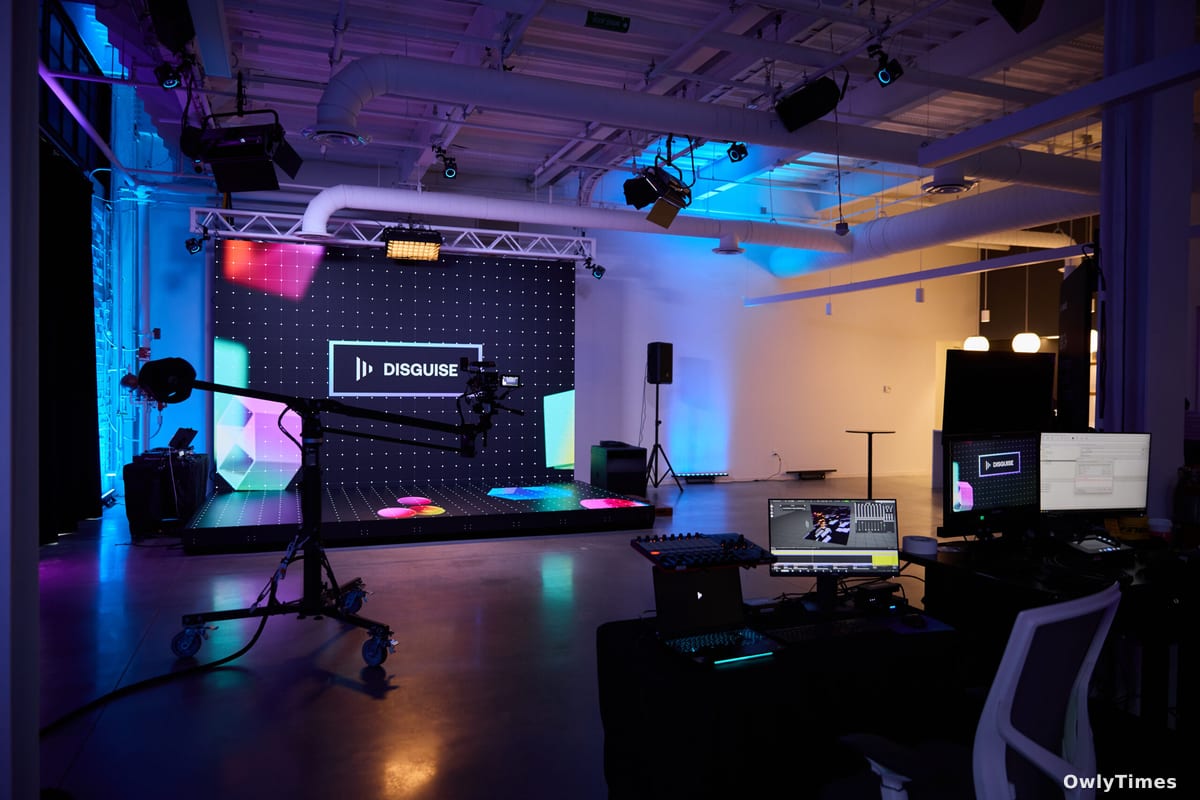

The air crackled with a low hum, a digital thrum emanating from the 8,000-square-foot space in West Midtown. It wasn’t the sound of a club, or a concert venue warming up, but the quiet energy of possibility. Last week, Disguise, the London-based experiential entertainment powerhouse behind the dazzling visuals of the Las Vegas Sphere and the Burj Khalifa, officially opened its Atlanta Experience Center. But this isn’t just another tech company planting a flag in a booming city; it’s a signal of a fundamental shift in how we experience, and create, entertainment – and Atlanta is positioning itself at the epicenter. The opening isn’t about bringing spectacle to Atlanta, it’s about building the tools to build spectacle from Atlanta, and that’s a crucial distinction.
Beyond the Blockbuster: The Corporate Canvas
The narrative around Disguise often focuses on the headline-grabbing projects: the immersive concert experiences for Adele and Beyoncé, the mind-bending visuals at the F1 Arcade in Las Vegas, even powering projections at the recent NBA All-Star Game. But beneath the glitz, a more significant market is driving this Atlanta expansion: corporate America. The city’s dense concentration of Fortune 500 companies – a fact not lost on Disguise – needs more than just keynote speakers; they need immersive environments, dynamic presentations, and experiences that cut through the noise. According to a recent report by Eventbrite, 74% of consumers say they’re more likely to do business with a company that hosts events, and the demand for experiential marketing is only increasing. Disguise isn’t just selling software and hardware; they’re selling the ability to forge deeper connections with consumers and employees alike.
See the original hypepotamus.com story for the full account.
The Meptik Acquisition: A Strategic Play for Local Talent
This move wasn’t a sudden impulse. Disguise’s roots in Atlanta run deeper than many realize. The 2022 acquisition of local creative studio Meptik was a calculated step, integrating a team already deeply embedded in the city’s production landscape. This wasn’t a simple buy-out; it was a talent acquisition, a recognition that Atlanta possesses a unique blend of creative energy and technical expertise. The integration of the two teams is now complete, and the Experience Center serves as a physical manifestation of that synergy. It’s a smart play, considering the ongoing talent wars in the tech sector. While Silicon Valley grapples with layoffs and relocation anxieties, Atlanta is quietly becoming a magnet for creatives seeking a more sustainable and collaborative environment.
Inside the Experience Center: A Playground for Innovation
Stepping inside the Experience Center is like entering a digital laboratory. The centerpiece is a virtual production LED stage, powered by Disguise Studio Pro and a GX 3+ media server, utilizing Planar® CarbonLight™ CLI Series and Leyard ALF Series LED panels. It’s not just a demonstration of technological prowess; it’s an invitation to experiment. The Center isn’t designed to be a showroom, but a workshop, a place where creators, technologists, and production teams can learn, prototype, and push the boundaries of what’s possible. Regular demos on software, hardware, and projection mapping will give visitors hands-on access to the tools shaping the future of entertainment. This commitment to education and collaboration is a key differentiator, fostering a community around the technology rather than simply selling a product.
The Future of Real-Time Experiences: What’s Next?
Disguise’s arrival in Atlanta isn’t just about one company’s expansion; it’s a harbinger of a broader trend. The line between physical and digital experiences is blurring, and the demand for immersive, real-time entertainment is exploding. Fueled by advancements in LED technology, real-time rendering engines like Unreal Engine (a frequent collaborator with Disguise), and the increasing accessibility of powerful computing, we’re entering an era where anything is visually possible. The question now is: will Atlanta capitalize on this momentum? Will local institutions – universities, film schools, and arts organizations – partner with companies like Disguise to cultivate the next generation of experiential storytellers? The city has the talent, the infrastructure, and now, a key player in the technology. But sustained investment and a proactive approach to fostering innovation will be crucial to solidify Atlanta’s position as a global hub for the future of entertainment.