
The chipped porcelain of a BAFTA 195 Piccadilly teacup trembled slightly as Cathy Payne, CEO of Banijay Rights, surveyed the room. It wasn’t the caffeine causing the tremor, but the weight of expectation. February 25th, 2026, marks not just another London TV Screenings, but a statement. Banijay isn’t simply selling shows; it’s showcasing a carefully curated vision of what television will be, a landscape where prestige drama collides with high-concept formats and the global pulse of sports reality. This isn’t about filling airtime; it’s about capturing cultural attention, and the sheer breadth of their lineup suggests a company betting big on a fragmented, yet increasingly interconnected, world.
The headline grabbers are undoubtedly the dramas. Brenda Blethyn, a national treasure known for her nuanced portrayals in “Vera” and “Pride and Prejudice,” steps into the formidable shoes of Emma Harte in a new adaptation of Barbara Taylor Bradford’s 1979 blockbuster, “A Woman of Substance.” The original 1984 Channel 4 mini-series captivated a staggering 13.8 million viewers – a figure that feels almost mythical in today’s streaming-dominated landscape. But Banijay isn’t simply reheating nostalgia. They’re recognizing a hunger for stories of female ambition and resilience, narratives that resonate powerfully in a post-#MeToo world. The success of shows like “The Buccaneers” – also penned by writers involved in this adaptation – demonstrates a clear appetite for lavish period dramas with a feminist edge.
This article draws on reporting from variety.com.
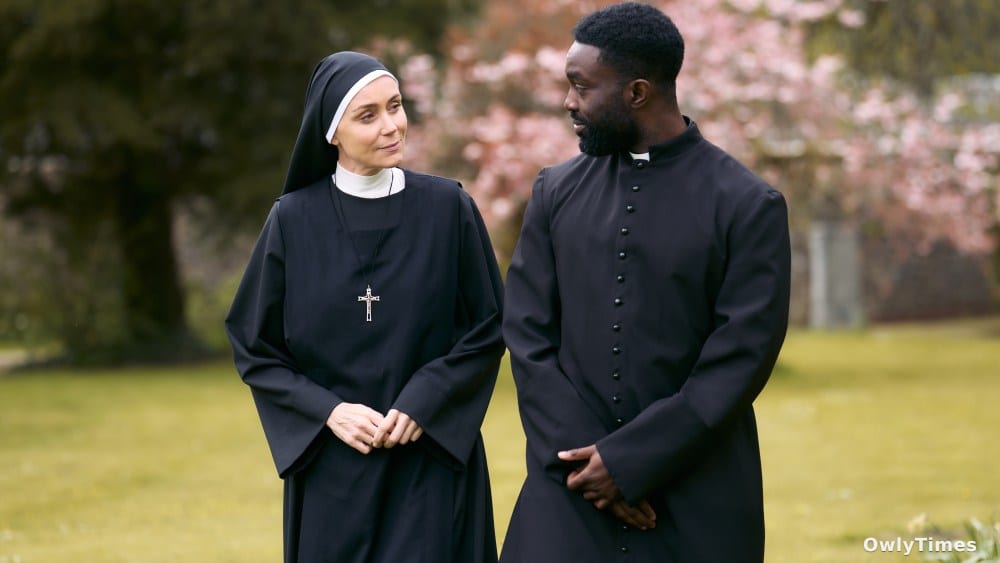
But the real intrigue lies in Jack Thorne’s contributions. Anything Thorne touches turns to gold, or, more accurately, to emotionally devastating, critically acclaimed television. His Series Mania-winning “The Virtues” proved his mastery of character-driven storytelling, and the recent Netflix acquisition of the U.S. rights to his “Lord of the Flies” adaptation underscores his growing international appeal. “Falling,” his first foray into a love story, starring Keeley Hawes and Paapa Essiedu, promises a delicate exploration of faith, desire, and the complexities of the human heart. Thorne’s work isn’t merely entertainment; it’s a cultural barometer, reflecting anxieties and aspirations with unflinching honesty. The fact that Banijay is leading with his projects signals a commitment to quality over quantity, a willingness to take risks on narratives that demand attention.
Beyond the prestige of these dramas, Banijay is doubling down on formats, recognizing the global demand for adaptable, scalable content. The announcement of two new formats – the brain-teasing quiz show “How Old Is Your Brain?” and the music competition “Staying Alive” – speaks to a broader strategy of diversifying their portfolio. But it’s “Football Island” that truly encapsulates this ambition. Unveiled last year and already commissioned by Videoland, the show taps into the global obsession with soccer, particularly as the FIFA World Cup dominates the summer conversation. This isn’t just a reality show; it’s a shrewdly timed cultural play, leveraging the universal language of football to create a high-stakes survival competition. The format’s success hinges on its ability to blend the thrill of the game with the drama of human endurance, a formula that could resonate with audiences worldwide.
However, Banijay’s aggressive expansion isn’t without its tensions. The company’s acquisition of third-party titles and its focus on “hipersized” shows raise questions about creative control and the potential for homogenization. Can Banijay maintain its reputation for quality while simultaneously scaling up production and catering to a wider audience? The sheer volume of content on display at the London TV Screenings – from returning favorites like “Peaky Blinders” to lesser-known gems like Sweden’s psychological thriller “My Brother” – suggests a company grappling with the challenges of managing a vast and diverse catalog. The risk is that, in striving to be everything to everyone, Banijay could dilute its brand identity.
The London TV Screenings, then, is more than just a sales pitch. It’s a test of Banijay’s ability to navigate the increasingly complex landscape of global television. Will they succeed in balancing artistic ambition with commercial imperatives? Will their formats truly travel, or will they remain niche successes? And, crucially, will they be able to maintain their reputation for quality in an era of content saturation? The industry will be watching closely, not just to see what Banijay sells, but to see what kind of future they’re building for television. The question isn’t simply what shows will be hits, but whether Banijay can redefine what it means to be a global content powerhouse in the years to come.