
Is the longevity of a video game title determined by its engine, or by the sheer force of its crossover guest list? We have been conditioned to believe that modern software updates are about refining core mechanics or patching security vulnerabilities, but the industry’s latest moves suggest a different priority entirely: the infinite recycling of intellectual property to keep aging player bases tethered to a digital ecosystem.
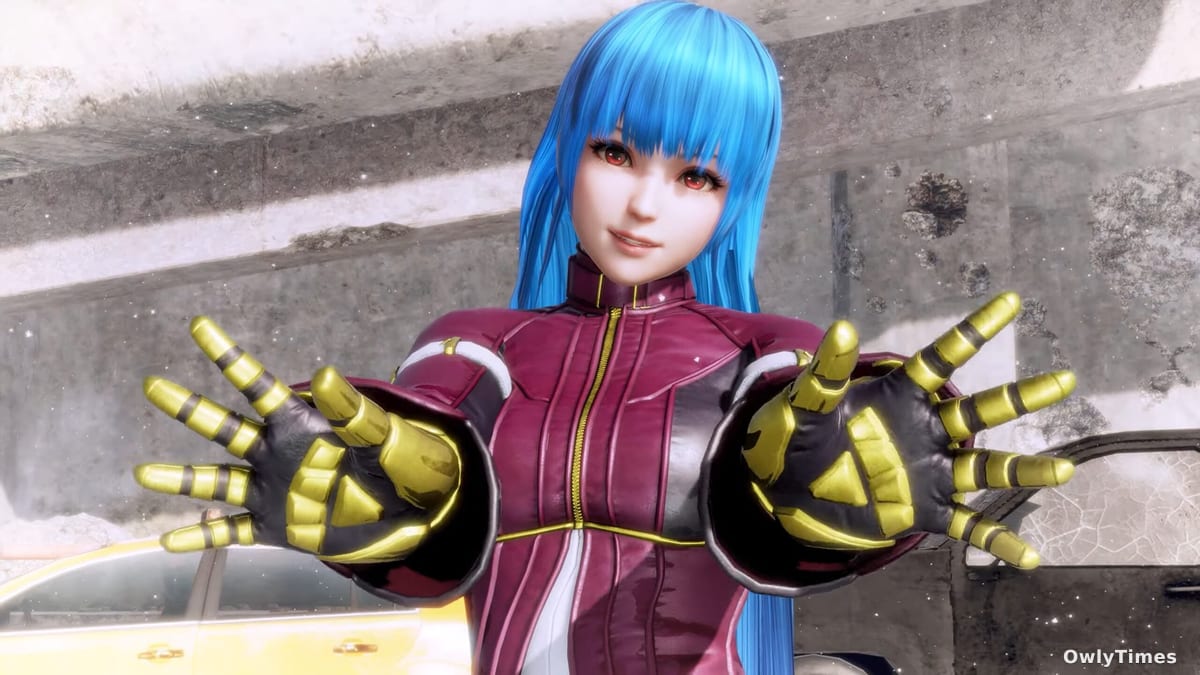
The real story here isn’t the technical polish of a new stage — it’s the way publishers are treating legacy software as a permanent storefront for rotating character cameos. Koei Tecmo and developer Team NINJA have just dropped a fresh trailer for DEAD OR ALIVE 6 Last Round, and the focus is squarely on the arrival of Mai Shiranui and Kula Diamond, ported over from The King of Fighters XIV.
The Economics of the Digital Cameo
For the ordinary player, this update functions like a seasonal wardrobe refresh for a game that has already seen its primary lifecycle. Adding established icons like Mai and Kula into the fray serves as a low-risk mechanism to spike engagement without the overhead of building an entirely new franchise. While developers often talk about "enhanced" experiences, the reality is that these collaborations are essentially high-fidelity skins with distinct move-sets, designed to pull fans from one fighting game community into another.
The technical heavy lifting is focused on the stage, dubbed “Lost Paradise (Oboro),” which the developers have touted as "newly enhanced." In the world of high-end gaming, "enhanced" often acts as a euphemism for optimizing assets for modern hardware. By targeting PlayStation 5, Xbox Series, and PC via Steam, the developers are ensuring that the game remains compatible with current-generation performance standards, even if the underlying architecture dates back years.
Managing the Legacy Hardware Transition
There is a palpable tension between the desire for "next-gen" gaming and the reality that most popular titles are built on foundations established in previous console cycles. Releasing a game on June 25 for platforms as diverse as the latest Xbox and Steam requires a balancing act that usually results in marginal graphical improvements rather than revolutionary gameplay shifts. It is a reminder that in the current market, hardware capability is often secondary to the ability to keep a specific title relevant in a crowded digital marketplace.
What Happens When the Roster Stops Growing?
We are watching a shift where the "final" version of a game is never actually final. Instead, the game becomes a vessel for DLC, constantly reshuffled to maintain a baseline level of relevance. Whether this strategy creates a bloated, disjointed experience for the user or a sustainable model for long-term play remains the central question for the fighting game genre.
The next reading of the active player counts on Steam following the June 25 release will show whether this reliance on external character collaborations is still enough to maintain a competitive foothold in a market that is increasingly obsessed with brand-new, standalone experiences. As players migrate toward titles that offer more consistent, core-engine overhauls, the success of these legacy expansions will determine how much longer studios continue to invest in their back catalogs.