
Beyond “Uncurable”: A Physician’s Journey Redefines Hope in Pediatric Care
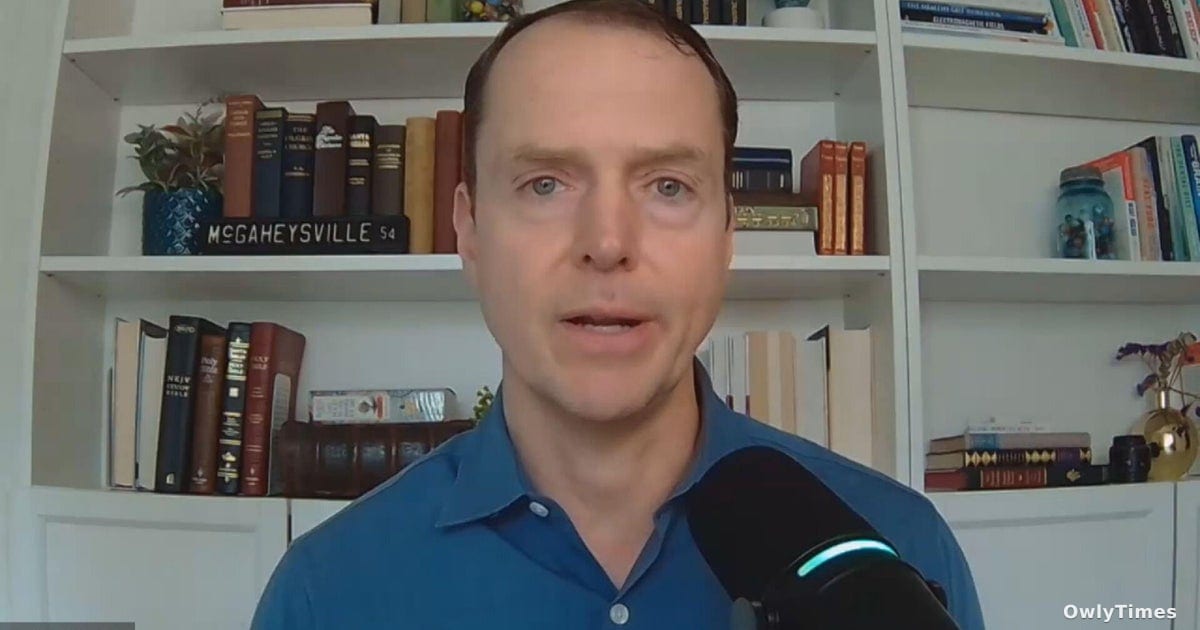
The phrase “uncurable” carries a finality that can feel devastating, particularly when delivered regarding a child’s health. But what does that diagnosis actually mean? Increasingly, physicians and families are challenging the limitations of conventional medicine, seeking pathways to improvement even when traditional treatments reach their limits. This isn’t about rejecting established medical practices, but rather expanding the scope of inquiry to encompass the complex interplay of environment, nutrition, and persistent, individualized therapies – a shift powerfully illustrated by the story of Dr. Aaron Hartman and his daughter, Anna. The recent publication of Hartman’s book, “UnCurable: From Hopeless Diagnosis to Defying All Odds,” isn’t simply a memoir; it’s a call to re-evaluate how we approach seemingly intractable pediatric conditions.
Source material: CBS News.
Hartman’s journey began with a particularly stark prognosis. After adopting Anna, whose birth mother struggled with methamphetamine addiction, he was told by medical professionals that she would likely never walk, talk, or achieve independence. This wasn’t a vague assessment; it was a conclusion based on the observed neurological impact of prenatal exposure. Faced with this bleak outlook, Hartman, himself a physician, felt compelled to explore alternatives. He describes a pivotal realization: a diagnosis of “uncurable” often signifies the exhaustion of available conventional treatments, not the absence of potential for improvement. This distinction is crucial. It’s not about dismissing the expertise of specialists, but acknowledging that medicine doesn’t always have all the answers, and that proactive investigation can yield unexpected results.
Hartman’s response was multifaceted. He transitioned his family to a farm, prioritizing a lifestyle centered around “real food” – nutrient-dense, unprocessed ingredients – and abundant outdoor activity. This wasn’t a whimsical lifestyle choice, but a deliberate attempt to create an optimal environment for Anna’s development. He began to view nutrition not merely as sustenance, but as a powerful therapeutic tool, capable of influencing neurological function. Simultaneously, he immersed Anna in intensive physical therapy, specifically “suit therapy,” a demanding regimen involving several hours of guided movement each day. The combination, coupled with a strong support network, yielded remarkable results. Today, Anna is a thriving 19-year-old who navigates the world with forearm crutches, a level of functionality far exceeding initial expectations.
It’s important to note that Hartman’s approach isn’t a standardized protocol. He emphasizes the individualized nature of his work, tailoring interventions to Anna’s specific needs and responses. While the CBS News report highlights the success of nutrition, therapy, and community support, it doesn’t detail the specific neurological assessments or biomarkers Hartman used to track Anna’s progress. This lack of granular data is a common challenge in these types of narratives – demonstrating causality in complex biological systems is notoriously difficult. Furthermore, the story doesn’t address the financial or logistical hurdles involved in accessing intensive therapies and maintaining a homesteading lifestyle, factors that significantly limit the accessibility of this approach for many families.
The Power of Persistent Intervention
Hartman’s story resonates because it taps into a growing frustration with the limitations of a healthcare system often focused on managing symptoms rather than addressing root causes. He isn’t advocating for abandoning conventional medicine, but for integrating it with a more holistic understanding of health. His emphasis on environmental factors and nutrition aligns with emerging research in the field of epigenetics, which demonstrates how external influences can alter gene expression. However, it’s crucial to avoid oversimplification. While diet and lifestyle undoubtedly play a role in health, they are rarely sufficient to overcome severe neurological deficits. Anna’s progress is likely attributable to a complex interplay of factors, including her inherent resilience, the intensity of her therapy, and the unwavering dedication of her father and support network.
Hartman’s advice to “never give up hope” is understandably emotionally powerful, but it’s also a call for active engagement. He encourages parents to view a diagnosis of “uncurable” not as a dead end, but as a starting point for independent investigation. He actively shares his knowledge and experiences through platforms like YouTube, Instagram, Facebook, X, LinkedIn, and his “Made for Health” podcast, aiming to empower others to explore alternative avenues. This democratization of information is a double-edged sword. While it can be incredibly empowering, it also carries the risk of misinformation and unqualified advice.
Looking Ahead: Rigor and Replication
The next crucial step is to move beyond anecdotal evidence and conduct rigorous, controlled studies to evaluate the efficacy of integrative approaches like Hartman’s. This requires detailed documentation of interventions, objective measures of outcomes, and comparison groups receiving standard care. Researchers need to investigate which specific nutritional interventions are most effective for which neurological conditions, and how intensive therapy protocols can be optimized for different patient populations. Furthermore, studies should address the cost-effectiveness and accessibility of these approaches, ensuring that they are not limited to families with significant resources.
The question now isn’t simply whether “uncurable” conditions can be improved, but how to systematically identify and implement interventions that maximize potential for recovery. As more physicians and families embrace a broader definition of healing, we can expect to see a growing demand for research that validates – or refutes – these emerging approaches. Will the medical community embrace this shift towards integrative care, or will the limitations of conventional medicine continue to define the boundaries of hope? The answer will shape the future of pediatric care for generations to come.





