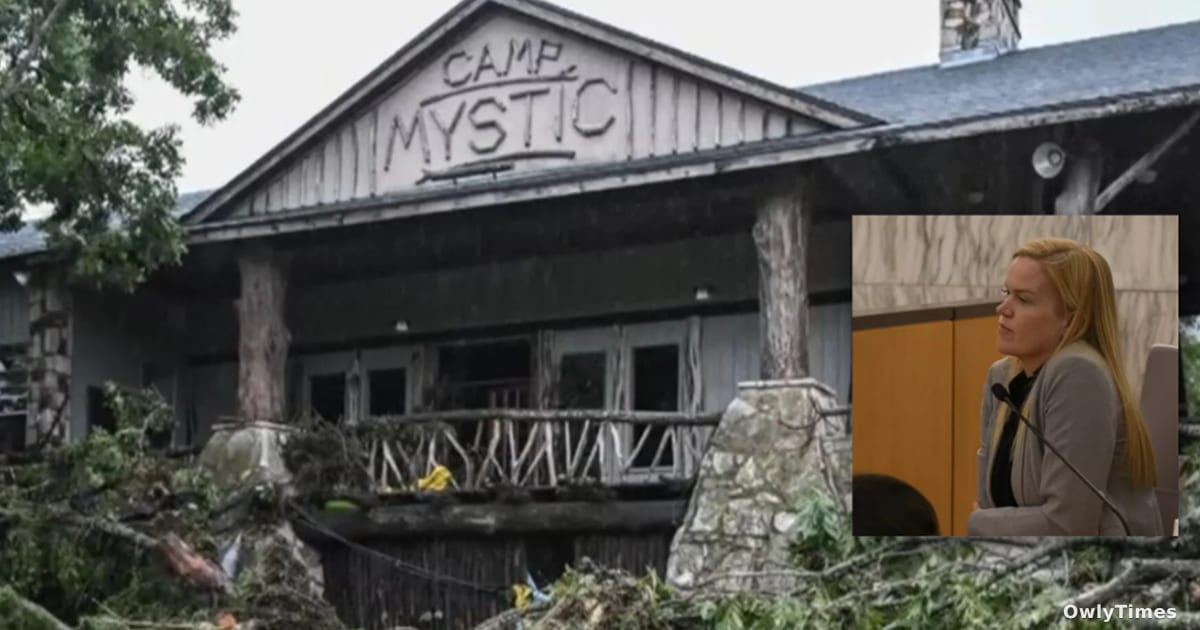

How do state regulators evaluate and enforce the standard of professional care when sudden environmental disasters intersect with pediatric health management in temporary residential settings? In the wake of natural disasters, public attention often centers on immediate meteorological events, yet the scientific and administrative infrastructure of emergency preparedness dictates whether those events turn into mass casualties. The recent regulatory action against the medical leadership at Camp Mystic highlights this critical interface, forcing a closer examination of how professional nursing standards apply to disaster mitigation and emergency planning in rural, high-risk environments.
Administrative Realities Versus Crisis Headlines
While sensational headlines have focused heavily on the dramatic personal testimonies of family survival during the catastrophic July 4th predawn flood on the Guadalupe River, the regulatory reality is far more clinical. According to the CBS Texas report, the Texas Board of Nursing formally suspended the license of chief health officer Mary Elizabeth Eastland following a detailed review of her administrative duties. The board's findings, released on Wednesday, May 20, 2026, do not merely critique her actions during the active crisis; instead, they focus on a systemic failure to "develop and maintain adequate emergency plans and emergency training protocols" prior to the event. The board emphasized that Eastland, as a member of the family operating the camp, should have anticipated these risks given previous catastrophic flooding events in the region, yet failed to implement a viable shelter or evacuation plan.
The Legal Obligation of the Camp's Heightened Duty
This administrative breakdown extended into the aftermath of the disaster, which claimed the lives of 25 campers and two teenage counselors, as well as Eastland's father-in-law, Richard Eastland. Under the Texas administrative code, youth camps are legally required to report any camp-related deaths to state health regulators within 24 hours. However, during an administrative hearing in Austin on April 14, Eastland admitted she had still not officially reported the 27 deaths to the state agency, even as the camp submitted its March 31 application to reopen for the upcoming summer. "I did not think of this requirement in the moments happening after the flood," Eastland testified, adding that she could not recall exactly when she learned the campers had died, stating it may have been "a day or several days" after the event.
The tension between personal survival and professional obligation became a focal point during the legal proceedings, which are part of a broader fight by victims' families to preserve the damaged campgrounds as evidence. During her testimony, Eastland faced sharp questioning from plaintiffs' attorneys regarding her actions during the rising waters of the Guadalupe River). A lawyer pressed her: "You had a heightened duty of care and on that night, it didn't seem like you made a lot of effort to help campers under your care. It seems like you only helped the campers named Eastland. Is that correct?" Eastland responded that her children were not campers, and when the lawyer asserted she only helped campers with her last name, she stated, "Those were the only ones I could get to," denying that they were the only ones she thought about.
Limitations in Current State Regulatory Frameworks
From a public health and safety perspective, there are several limitations to consider when evaluating this regulatory action. While suspending an individual’s nursing license establishes professional accountability, it does not automatically address the systemic vulnerabilities of rural summer camps operating near active floodways. A single license suspension does not rewrite the state's broader regulatory frameworks, nor does it guarantee that other recreational facilities have updated their evacuation protocols for extreme weather. Furthermore, the administrative code’s reporting requirements rely heavily on self-reporting, which, as this case demonstrates, can experience significant delays during a catastrophic organizational crisis.
Upcoming Legal Triggers and Regulatory Oversight
The next critical phases of this investigation will determine how state boards define emergency responsibilities for specialized medical staff. Under the board’s mandate, a probable cause hearing must be held no later than 17 days after the May 19, 2026 suspension, with a final administrative hearing scheduled no later than 61 days from that date. These hearings are vital because they will establish the permanent status of Eastland's license and provide a legal record that could influence how state regulators evaluate Camp Mystic's pending application to reopen. Tracking these upcoming proceedings will show whether Texas regulators intend to tighten emergency preparedness standards for all youth camps operating in ecologically volatile zones.





