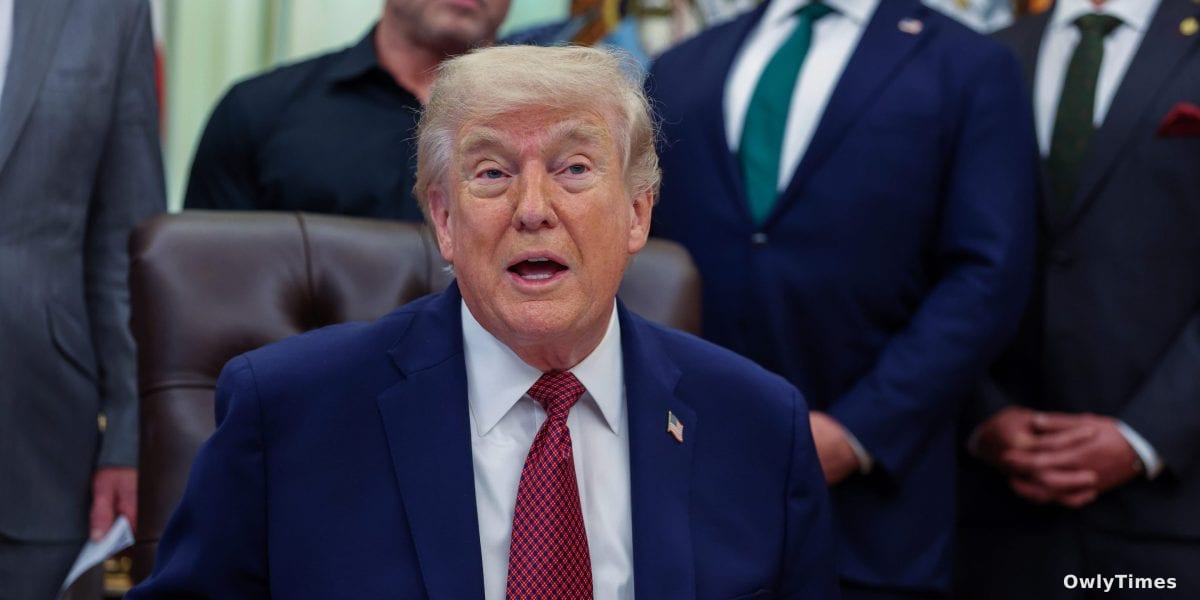

$90 per barrel is the price of oil that has President Donald Trump claiming a victory of economic resilience, yet it is the same number that is forcing institutional investors to recalibrate their outlook for 2026. While the President told CNBC’s Squawk Box on Tuesday that he was pleasantly surprised the U.S. economy held up during the conflict with Iran—suggesting he had braced for prices as high as $200—the reality on Wall Street is far more granular and significantly more fragile.
Follow the money, and the divergence between the President’s rhetoric and market data becomes clear. The S&P 500 has staged a rally, climbing more than 10% from its late-March lows to reach record highs. However, Goldman Sachs analysts, including senior research advisor Dominic Wilson, characterize this not as a sign of economic health, but as a calculated bet on a swift diplomatic resolution. The market is currently pricing in a "relief" scenario, effectively ignoring the spot reality of energy costs in anticipation of an immediate cessation of hostilities.
The tension between the White House and the trading floor is structural. Sebastian Barrack, head of commodities at Citadel, noted at the FT Commodities Global Summit that oil and gas volatility has surged roughly 300% since the conflict began. Barrack, who maintains a dedicated monitor for the President’s social media feed, highlights that every public statement from the Oval Office now functions as a high-stakes price signal. When the President declares talks "productive," crude plunges; when he threatens to resume bombing, the market reacts in kind. The White House’s confidence that naval escorts and the release of the Strategic Petroleum Reserve would stabilize energy markets has, according to Barrack, been fundamentally "under-thought."
While the President focuses on the Dow approaching 50,000, the underlying math presented by Goldman’s economists suggests a shifting economic landscape. They have raised their December 2026 headline PCE inflation forecast by a full percentage point to 3.1%, while simultaneously trimming GDP growth projections by 0.5% to 2%. This contraction is a direct consequence of elevated energy prices eroding the fiscal gains of the previous year. Even as the IMF revises global 2026 growth down to 3.1% specifically citing the Iran conflict, the President continues to frame the stock market’s performance as a validation of his own judgment.
The disconnect is further illustrated by the internal reaction within the administration. Trump recounted telling his cabinet, including Scott Bessent, that he was about to put a "wrinkle" in their economic projections by initiating a conflict that could risk nuclear confrontation. That "wrinkle" is now manifesting in the broader economy. Bobby Molavi, Goldman’s head of European execution services, warned that the current supply shock risks transforming into a demand shock, which would significantly heighten the probability of a recession.
For your wallet, the immediate signal to watch is the ceasefire negotiation window. With the President explicitly warning that he expects a framework by Wednesday, the market is currently priced for success. U.S. pump prices are already up roughly 35% from prewar levels. Should negotiations stall and the bombing resume, the "halftime score" the President is currently celebrating will likely be revised downward as the inflation impact of sustained $90-plus oil fully permeates consumer and corporate balance sheets. The next reading of Brent crude prices will dictate whether the market’s current optimism holds or collapses under the weight of the administration's own policy volatility.