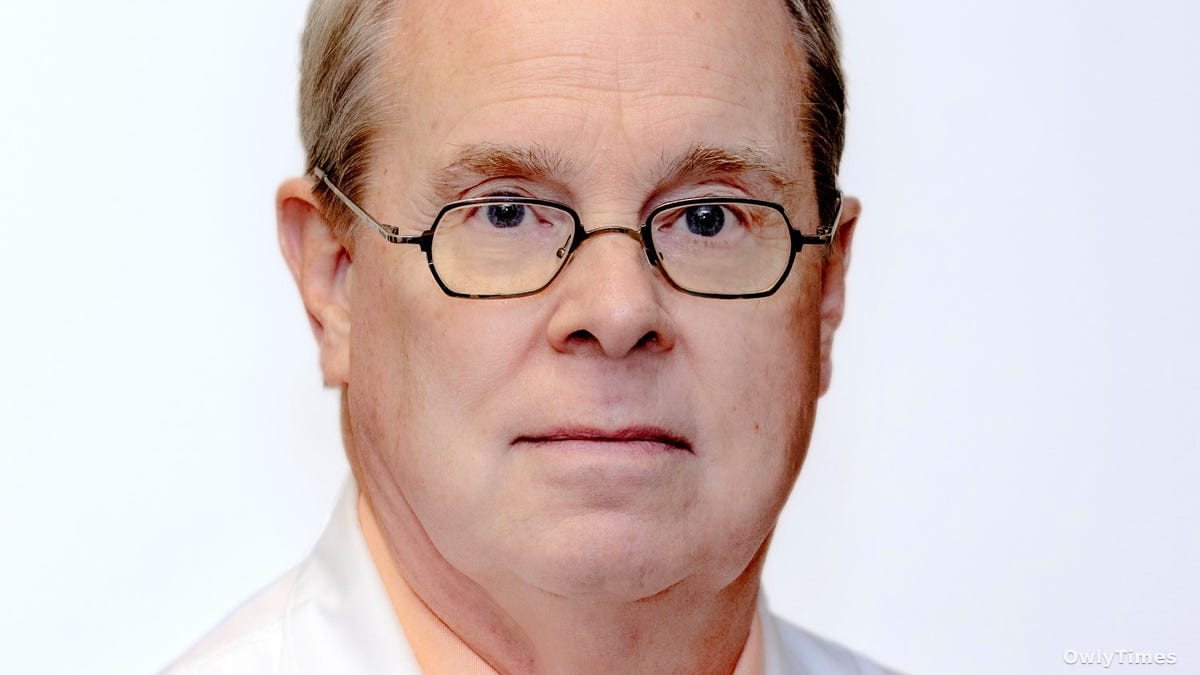

$2.1 Million in Physician Talent Signals Saint Francis’ Cardiovascular Ambitions
A combined estimated annual salary of $2.1 million – based on average cardiothoracic surgeon compensation – is now flowing into the Saint Francis Healthcare system with the recent hires of James W. Blatchford III and Harbinder Singh. While seemingly a personnel update, this influx of highly specialized talent reveals a strategic bet by Saint Francis to solidify its position in a Memphis healthcare market increasingly defined by specialized care and competitive recruitment. Follow the money: these aren’t simply replacements; they represent a deliberate escalation in the hospital’s cardiovascular capabilities, particularly as regional competitors like Methodist Le Bonheur Healthcare and Baptist Memorial Health Care continue to invest heavily in similar specialties.
This article draws on reporting from commercialappeal.com.
The return of Blatchford, who previously practiced with Saint Francis for a decade before a three-year stint at the Lt. Col. Luke Weathers Jr. VA Medical Center, is particularly noteworthy. His departure in 2021 likely prompted a talent gap that Saint Francis is now actively addressing. The VA system, while offering stable employment, often struggles to match the compensation packages offered by private healthcare networks, creating opportunities for institutions like Saint Francis to lure back experienced physicians. Blatchford’s extensive training – Duke for his medical degree, Yale for general surgery, and UT Southwestern for his cardiothoracic fellowship – positions him as a high-value asset, capable of attracting complex cases and driving revenue.
The addition of Singh, coming from practices in Tucson and Las Vegas, broadens Saint Francis’ expertise. His background, including a senior residency in Congenital Cardiac Surgery at Harvard Medical School/Boston Children’s Hospital and fellowships at Brigham and Women’s Hospital and Mt. Sinai, suggests a focus on advanced cardiac procedures, potentially including those for pediatric patients. This is a critical area, as Memphis has a relatively young population and a documented need for specialized pediatric cardiology services. The cost of attracting this level of expertise is substantial; Harvard-trained specialists command salaries exceeding $600,000 annually, according to industry data from Merritt Hawkins.
Beyond physician recruitment, leadership transitions at Memphis institutions are reshaping the nonprofit landscape. The retirement of Sally Jones Heinz as President and CEO of the Metropolitan Inter-Faith Association (MIFA) after 13 years marks the end of an era. Her tenure, beginning in 2011, saw a strategic refocusing of MIFA’s mission, particularly with the expansion of MIFA Meals on Wheels through the “No Hungry Senior” initiative. This shift, initiated in 2014, demonstrates a proactive response to a changing philanthropic environment where clear, measurable impact is paramount. The establishment of the “Sally Jones Heinz Kitchen Sink Fund” – a flexible funding mechanism – acknowledges the ongoing need for adaptability within the organization. This is a common practice; organizations often create endowed funds to honor departing leaders, ensuring continued support for core programs.
Finally, the promotion of Ambrosia Scott to Market Therapy Director at Saint Francis Healthcare underscores the growing importance of rehabilitation services within the hospital system. Her 17 years of experience, including a prior role at Regional One Health’s Elvis Presley Trauma Center, positions her to optimize therapy offerings across both Saint Francis Hospital-Memphis and Saint Francis Hospital-Bartlett. This move aligns with national trends showing increased demand for post-acute care and rehabilitation, driven by an aging population and advancements in surgical techniques.
What this means for your wallet: expect to see continued investment in specialized medical services in Memphis, potentially leading to higher healthcare costs but also increased access to cutting-edge treatments. The question now is whether these investments will translate into improved health outcomes for the community, or simply fuel a competitive arms race among healthcare providers. Watch for Saint Francis to actively market its expanded cardiovascular services, and for other hospitals to respond with their own recruitment efforts – a clear indicator of the escalating competition in Memphis’ healthcare sector.





