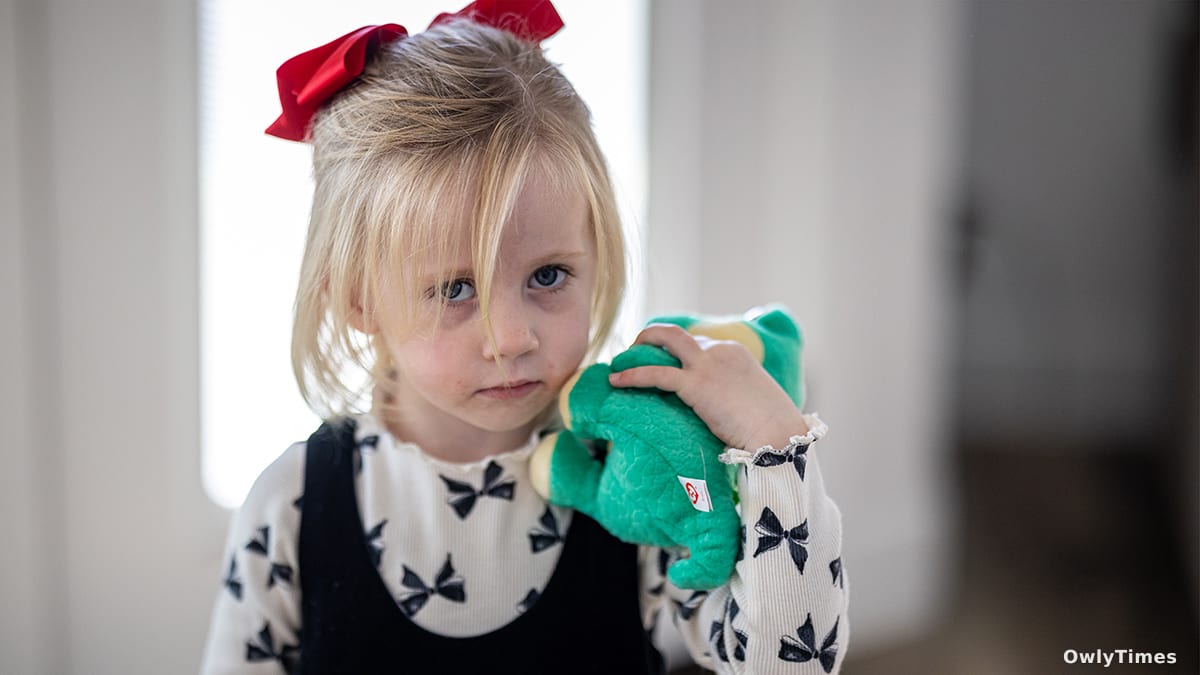

The seemingly isolated event of a two-year-old’s heart stopping for two minutes during a seizure isn’t simply a harrowing medical case; it’s a potent illustration of how fundamental research, often years removed from direct patient care, is quietly reshaping pediatric cardiology. The story of Briar Curtis, and the swift intervention that saved her life, highlights a growing understanding of the complex interplay between neurological and cardiac health – a connection previously underestimated, particularly in young children. While headlines rightly focus on the dramatic rescue, the deeper significance lies in the research that made that rescue possible, and the implications for how we approach sudden unexplained death in children.
The incident occurred in April 2025, when Briar Curtis experienced a severe seizure that caused her heart to stop for a full two minutes. Her mother, Lateishia Curtis, immediately initiated CPR, successfully reviving her daughter, but Briar remained dangerously weak. What followed wasn’t a return to normalcy, but a confirmation of a silent threat detected by a device rarely used in toddlers: a loop recorder implanted in her chest. This device wasn’t a standard response to a seizure; it was the culmination of years of investigation by Martin Tristani-Firouzi, a cardiologist and researcher at University of Utah Health and Intermountain Primary Children’s Hospital, into the genetic underpinnings of sudden death. Tristani-Firouzi’s work revealed a surprising correlation between genes associated with severe epilepsy and those linked to potentially fatal heart problems. This unexpected link prompted him to offer the loop recorder to Briar, given her history of seizures and concerning early health indicators – a high and erratic heart rate in utero and subsequent weight loss.
This piece references the attheu.utah.edu report.
The loop recorder’s data proved critical. It confirmed the prolonged cardiac arrest, prompting an urgent call from Tristani-Firouzi to Lateishia Curtis, and a three-hour drive to Intermountain Primary Children’s Hospital. There, Reilly Hobbs, a pediatric heart surgeon, implanted a pacemaker, a decision directly supported by Tristani-Firouzi’s research. As Hobbs stated, “I don’t think that in any other circumstance this child would have gotten a pacemaker.” This isn’t simply a story of successful treatment; it’s a demonstration of how research is actively changing the standard of care. Prior to this line of inquiry, a two-year-old experiencing a prolonged pause in heart activity during a seizure would likely have been treated solely for the neurological event, potentially missing the underlying cardiac vulnerability. The current rate of pacemaker implantation in children under two for seizure-related cardiac events is exceedingly low, making Briar’s case particularly noteworthy.
However, it’s crucial to understand what this study doesn’t demonstrate. The research hasn’t established a causal relationship between epilepsy and heart problems – only a correlation. It doesn’t mean every child with epilepsy is at risk of sudden cardiac arrest. The findings suggest a shared genetic predisposition in some cases, prompting a need for more targeted screening in children with severe or difficult-to-control epilepsy, particularly those with a family history of cardiac issues. The loop recorder isn’t a preventative measure for all epileptic children, but a diagnostic tool for those where Tristani-Firouzi’s research suggests a heightened risk.
Limitations to consider include the relatively small sample size of the genetic database Tristani-Firouzi analyzed, and the inherent challenges of studying rare events like sudden unexplained death. The database included genetic information for hundreds of patients, but expanding this to thousands, and incorporating more diverse populations, is essential to validate these findings. Furthermore, the long-term effects of pacemaker implantation in very young children require ongoing monitoring. While Briar is now thriving, enrolled in preschool and exhibiting a renewed energy, her case represents a single data point in a complex medical landscape.
The next critical step is to develop more refined risk stratification tools. Researchers are now focused on identifying specific genetic markers that can predict which children with epilepsy are most vulnerable to cardiac events. This involves not only expanding genetic databases but also developing sophisticated algorithms that can integrate genetic information with clinical data – seizure frequency, type, and response to medication, for example. Lateishia Curtis’s experience, shared in a Salt Lake Tribune op-ed, underscores the profound impact of this research. But the question now is: how quickly can these discoveries translate into widespread clinical practice, and how can we ensure that all children who might benefit from this knowledge have access to the necessary screening and intervention? The future of pediatric cardiology may well depend on answering that question.