
$24 Trillion Signals a Fundamental Shift in Financial Infrastructure
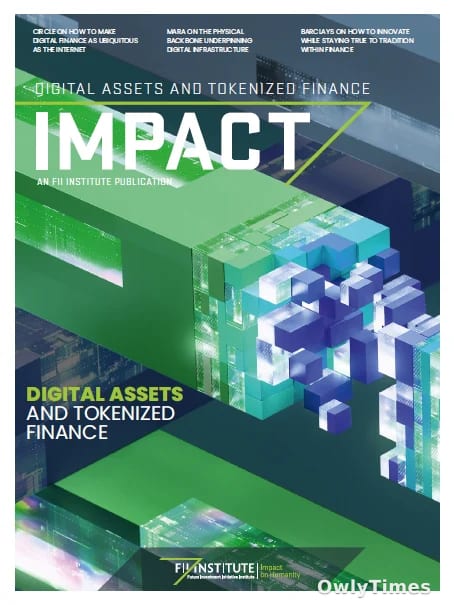
$24 trillion. That’s the midpoint of a new estimate for the total value locked within digital assets and tokenized finance, a figure revealed in a collaborative report by Circle, MARA, Inc, and Barclays, and it isn’t a future projection – it’s the current reality. While headlines continue to focus on the volatility of cryptocurrencies, this number demonstrates a far more significant trend: a fundamental restructuring of financial infrastructure is already underway, moving beyond speculative trading and into the core functions of capital markets. Follow the money, and it leads directly to a system designed for instant settlement, global reach, and programmable financial instruments – a stark contrast to the decades-old systems still dominating traditional finance.
The Programmability Premium: Why Tokenization Matters
The report highlights a market currently valued between $16 and $30 trillion, with the $24 trillion figure representing a weighted average. To put this in perspective, that’s roughly equivalent to the entire GDP of the United States, and exceeds the market capitalization of all publicly traded companies in Europe. This isn’t simply about Bitcoin’s price fluctuations; the core driver is tokenization – the process of representing real-world assets, from equities and bonds to real estate and commodities, as digital tokens on a blockchain. This unlocks liquidity by fractionalizing ownership, reduces settlement times from days to seconds, and introduces a level of transparency previously unavailable in opaque markets. Ryan Hayward of Barclays emphasized this shift, noting the potential for “a real-time, programmable, and borderless ecosystem.” The “programmability” aspect is key: smart contracts automate processes like dividend distribution or collateral management, reducing counterparty risk and operational costs.
Based on the original fii-institute.org report.
Traditional Finance’s Response: A Measured, but Growing, Embrace
The reaction from established financial institutions isn’t outright rejection, but a cautious, phased integration. Barclays’ involvement in the report itself is indicative of this trend. While traditional banks are hesitant to fully embrace decentralized finance (DeFi) due to regulatory concerns and the inherent risks of nascent technologies, they are actively exploring the benefits of tokenization within their existing frameworks. This is evident in the increasing number of pilot programs focused on tokenized bonds and securities lending. However, the pace of adoption is significantly slower than the growth of the underlying market. In 2023, investment in blockchain technology by traditional financial institutions totaled $2.1 billion, according to CB Insights – a substantial figure, but still dwarfed by the $24 trillion already circulating in the digital asset space. This disparity suggests a potential for disruption if traditional finance fails to accelerate its integration efforts.
Regulatory Hurdles and the Race for Clarity
The report doesn’t shy away from acknowledging the regulatory challenges. The lack of a clear, globally harmonized framework for digital assets remains a significant impediment to wider adoption. Dante Disparte of Circle has been a vocal advocate for regulatory clarity, arguing that well-defined rules are essential for fostering innovation and protecting investors. Currently, the regulatory landscape is fragmented, with different jurisdictions taking vastly different approaches. The EU’s MiCA (Markets in Crypto-Assets) regulation is a step towards standardization, but its impact remains to be seen. The US, meanwhile, is grappling with ongoing legal battles between the Securities and Exchange Commission (SEC) and various crypto firms, creating uncertainty and stifling investment. This regulatory ambiguity is directly impacting institutional participation; a recent survey by PwC found that 77% of financial executives cite regulatory uncertainty as a major barrier to adopting digital assets.
What this means for your wallet: The Future of Access and Efficiency
The emergence of a $24 trillion tokenized finance market isn’t just a story for Wall Street. It has the potential to reshape access to financial services for individuals and businesses alike. Lower transaction costs, faster settlement times, and increased liquidity could benefit everyone from small business owners seeking capital to investors looking for diversification. However, the risks are also real. The volatility of digital assets, the potential for fraud, and the lack of consumer protection are all legitimate concerns. The key question investors and consumers should be watching is whether regulators can strike a balance between fostering innovation and mitigating risk. Specifically, will the SEC adopt a more pragmatic approach to regulating stablecoins and tokenized securities, or will it continue to pursue enforcement actions that stifle growth? The answer will determine whether the promise of a more efficient, accessible, and transparent financial system becomes a reality, or remains a niche market for early adopters.