
The dust of the Indio desert has barely settled, but for the team behind the world’s most photographed music festival, the real work is happening in the glow of a monitor. Beneath the massive art installations and the neon-soaked stages of the 2026 festival, Coachella has quietly transformed its grounds into a high-stakes laboratory. By partnering with Google DeepMind, the festival is moving past the era of simple concert streaming and into a future where the performance itself is a malleable, digital entity.
This year’s collaboration focused on Project Genie, Google’s ambitious world-model platform. The aim is to bridge the gap between a fleeting moment in a crowd and a permanent, interactive digital asset. For Ryan Cenicola, Coachella’s innovation production lead, the goal is to expand the artist’s canvas, providing tools that allow for world-building that exists as easily on a smartphone as it does on a physical stage.
From Live Sets to Living Archives
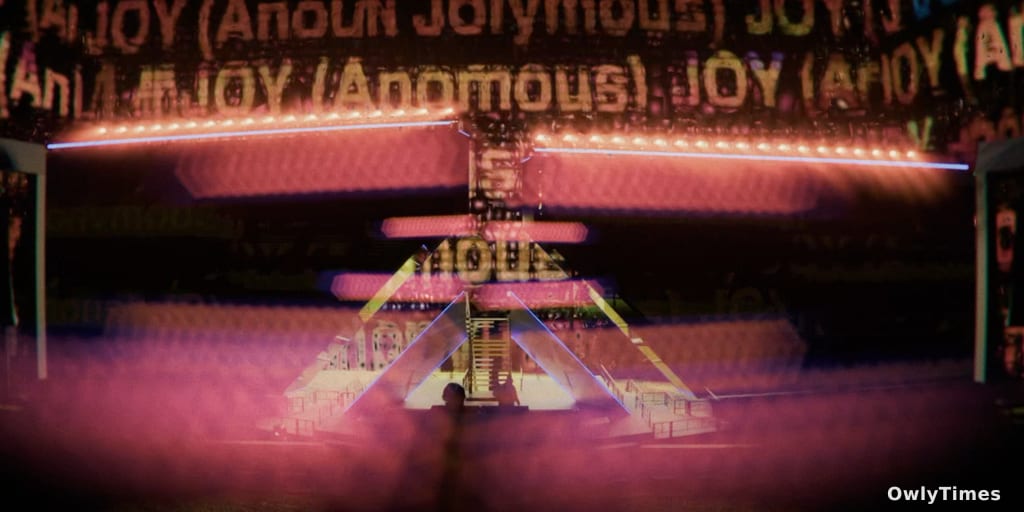
The most striking experiment, dubbed “Turning Performances Into Interactive Experiences,” serves as a digital ghost of the festival’s own reality. During the first weekend, production teams recorded the precise lighting, audio, visuals, and kinetic movement of the crowd and artists during a Quasar stage set. Using Unreal Engine, they successfully reconstructed the performance into a 3D environment.
This isn't just a recording; it is a spatial reconstruction. The vision is to create “living archives” where fans could eventually step into a past performance, walk through the crowd, or shift the perspective of the stage. By turning the sensory data of a live set into an explorable environment, Coachella is challenging the traditional limitations of concert footage, which has historically been a static, passive medium.
Democratizing the Stage Design
While the archival project captures what has already happened, the second prototype aims to change what happens next. Coachella has developed a stage-planning tool that allows artists to upload visuals or input prompts to simulate how a performance would look on a 3D model of the festival grounds.
The software accounts for variables like time of day and crowd density, offering a level of technical foresight previously reserved for high-budget acts with massive production teams. By providing these tools, Coachella is effectively lowering the barrier to entry for smaller artists, allowing them to visualize and iterate on their stagecraft long before they arrive in the desert. The team notes that the development cycle for these types of high-quality experiences has shrunk significantly just since the beginning of 2026, accelerating the speed at which these tools can be tested and refined.
Beyond the Digital Gimmick
This isn't Coachella's first foray into experimental tech, though it marks a shift away from the blockchain-heavy focus of previous years. Following the 2024 Coachella Quests—which utilized the Avalanche blockchain—the festival is pivoting toward visual AI. Kevin McMahon, Coachella’s innovation partnerships lead, noted that the choice to work with Google DeepMind was driven by the company’s superior visual models and a pre-existing relationship forged through the festival’s YouTube livestream partnership.
The third project, Coachella vs. The Game, acts as a digital primer for the festival. By letting players control an astronaut across digital worlds inspired by the artist lineup, the festival is gamifying the discovery process, much like the pre-visit experiences offered by major theme parks.
As the festival team reviews the data from these three proofs-of-concept, the industry will be watching to see which elements move from the lab to the fan experience. The next reading of these internal performance metrics will determine whether these tools become a permanent feature of the festival’s infrastructure or remain a fascinating, isolated experiment in what happens when silicon meets the stage.