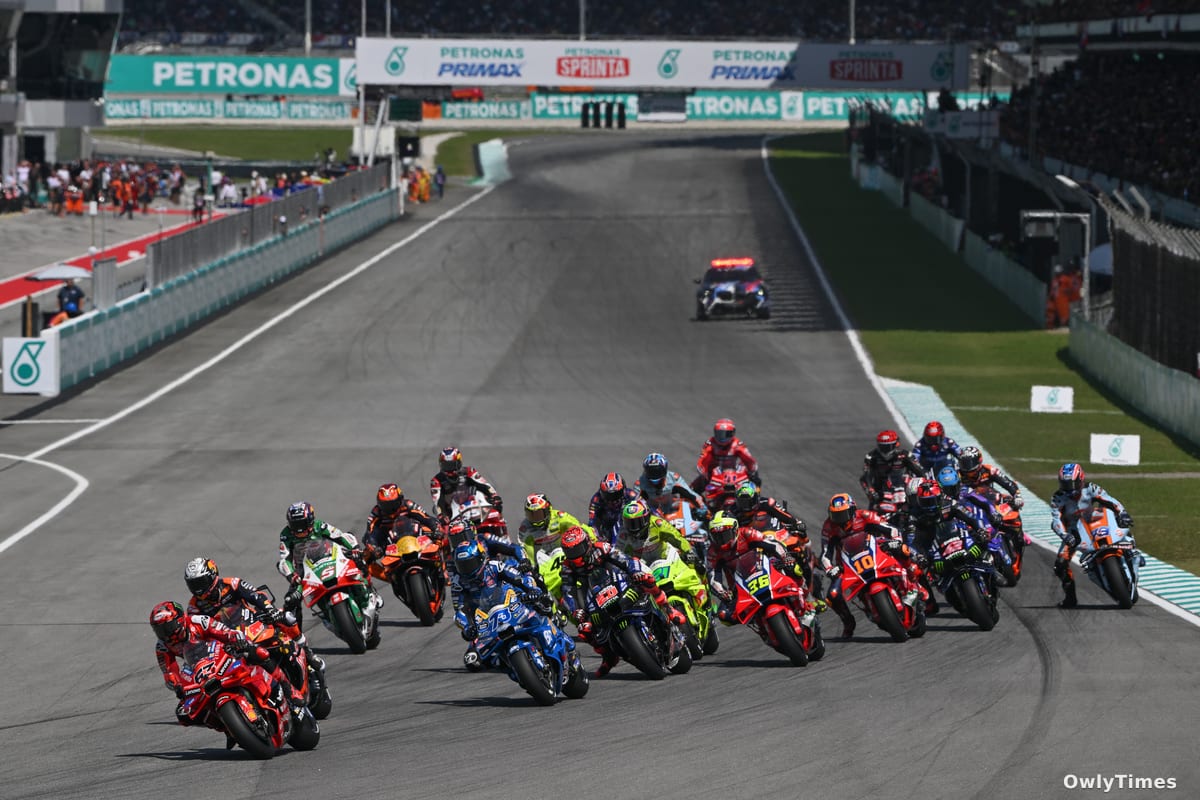

Beyond the Finish Line: MotoGP Rebrands as a Global Entertainment Powerhouse
The seemingly simple act of a corporate name change – Dorna Sports, S.L. becoming MotoGP Sports Entertainment Group – signals a profound shift in how one of the world’s most thrilling sports intends to compete in the 21st-century media landscape. This isn’t merely a cosmetic update; it’s a strategic declaration that MotoGP is no longer content being just a premier racing championship. It’s a calculated move to position the organization as a comprehensive sports entertainment property, mirroring the success of giants like Formula 1 and WWE, and crucially, to attract a new generation of fans and revenue streams. The timing, following a brand refresh in 2024, underscores the deliberate nature of this evolution.
This piece references the motogp.com report.
Background & Context: From Rights Holder to Entertainment Conglomerate
To understand the significance of this rebranding, it’s essential to look back at MotoGP’s history. Since 1992, Dorna Sports has been the exclusive commercial and broadcast rights holder, effectively controlling the narrative and financial destiny of the sport. For decades, the focus remained squarely on the racing itself – the speed, the skill, the drama on the track. However, the media environment has undergone a seismic transformation. Traditional broadcast models are challenged by streaming services, social media, and the demand for immersive, interactive experiences.
This shift isn’t unique to MotoGP. Formula 1, under Liberty Media, has successfully leveraged digital platforms and behind-the-scenes content (think Drive to Survive on Netflix) to dramatically expand its global fanbase, particularly in the United States. This success provides a clear blueprint. What’s often overlooked is the increasing convergence of sports and entertainment, where compelling storylines and character development are as important as athletic performance. MotoGP is now explicitly aiming to capitalize on this trend. The inclusion of championships like World Superbike and the new Harley Davidson Bagger World Cup within the group’s portfolio further demonstrates a broadening of scope beyond the core MotoGP class.
The Intent Behind the Identity: A Statement of Global Ambition
Carmelo Ezpeleta, CEO of MotoGP Sports Entertainment Group, frames the name change as “much more than a new identity – it is a statement of intent.” This is a crucial point. The addition of “Sports Entertainment” isn’t accidental. It signals a commitment to developing content around the racing, not just broadcasting the races themselves. This includes digital innovation, immersive fan engagement, and global storytelling. The organization recognizes that fans want more than just a live feed; they want access, behind-the-scenes glimpses, and a deeper connection to the riders and the sport’s culture.
The emphasis on “global expansion” is also noteworthy. While MotoGP enjoys a strong following in Europe and parts of Asia, it lags behind Formula 1 in key markets like North America. This rebranding is designed to attract new sponsors, broadcasters, and fans in these regions. The organization’s long-term strategic initiatives are clearly geared towards strengthening MotoGP’s reach across continents and broadening its appeal to younger, more diverse audiences. This represents a shift from a sport primarily consumed by enthusiasts to a broader entertainment offering.
What This Means: Implications for Stakeholders
The implications of this rebranding are far-reaching. For fans, it promises a richer, more engaging experience with increased access to content and opportunities for interaction. For sponsors, it offers a broader platform to reach a global audience and associate with a dynamic entertainment brand. For broadcasters, it presents the potential for increased viewership and revenue through innovative programming and digital offerings.
However, there are potential tensions. Preserving the “spirit and values that define our sport,” as Ezpeleta states, while simultaneously embracing commercialization and entertainment requires a delicate balance. Purists may worry that the focus on entertainment could dilute the authenticity of the racing. Furthermore, the success of this strategy hinges on the organization’s ability to execute effectively and deliver on its promises of innovation and immersive fan engagement. The expansion into new championships like the Harley Davidson Bagger World Cup also presents a risk – will these additions enhance the overall brand or dilute its focus?
Looking Ahead: The Road to Becoming a Global Entertainment Leader
The next 12-18 months will be critical for MotoGP Sports Entertainment Group. Key indicators to watch include the launch of new digital platforms, the development of original content series, and the success of marketing campaigns targeting new audiences. The organization’s ability to secure lucrative broadcast deals in key markets, particularly North America, will also be a crucial measure of its progress.
Several scenarios are possible. MotoGP could successfully transform itself into a global entertainment powerhouse, rivaling Formula 1 in terms of revenue and fanbase. Alternatively, it could struggle to balance commercialization with its core sporting values, alienating existing fans and failing to attract new ones. The organization’s ability to navigate these challenges will determine whether this rebranding is a strategic masterstroke or a misstep. The future of MotoGP isn’t just about speed on the track; it’s about speed in adapting to the evolving demands of the global entertainment landscape.