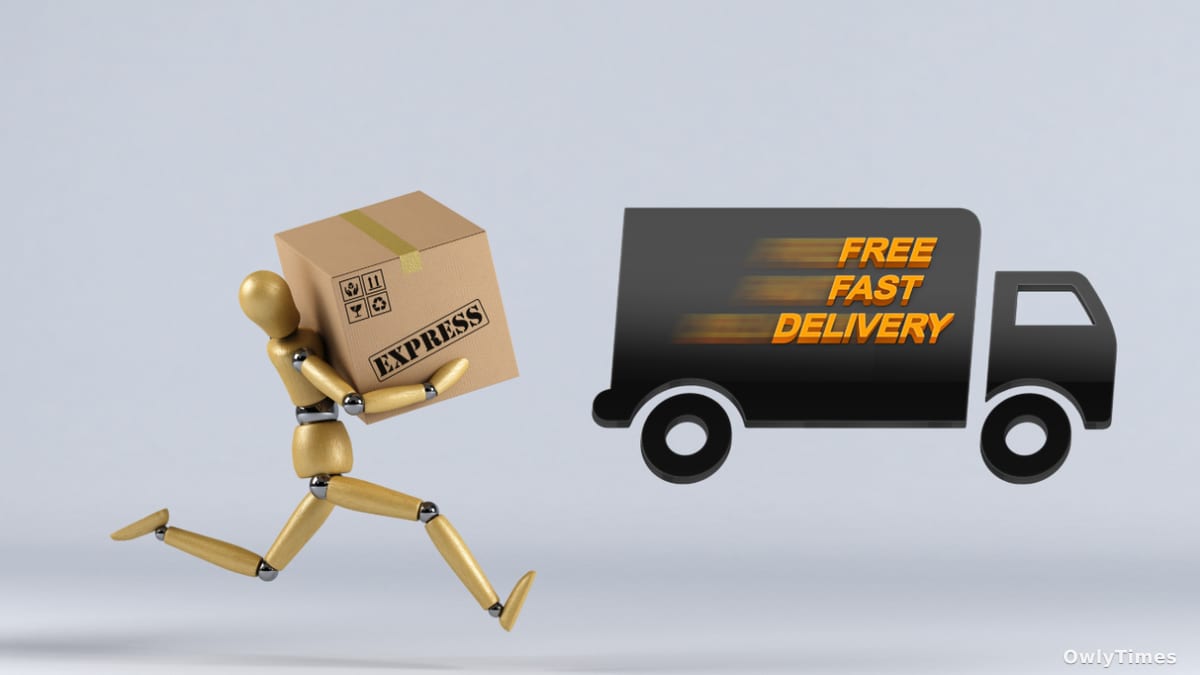

NEW YORK, April 25, 2026 — The traditional dropshipping model, once defined by "hands-off," fully automated logistics, is facing a structural obsolescence as consumer expectations align with the delivery speeds set by giants like Amazon.com. For the modern e-commerce entrepreneur, the bottleneck to growth has shifted from customer acquisition to the post-sale experience. MAXDropshipping is responding to this market friction by abandoning the industry-standard automation-only approach in favor of a high-touch, human-centric fulfillment infrastructure.
Strategic Warehousing as a Competitive Hedge
Follow the money in the current logistics landscape and you find that the cost of failure is no longer just a lost sale; it is the erosion of brand equity. As thousands of new online stores launch daily, competition is intensifying, and the margin for error in delivery timelines has reached near-zero. To mitigate the risk of supply chain volatility, MAXDropshipping has deployed a network of seven internationally placed warehouses.
These facilities are positioned specifically in-line with product sourcing from China, a move designed to collapse the time between order placement and delivery. By integrating strategic warehousing directly into their fulfillment stack, the firm is attempting to solve the "service gap" that frequently traps Shopify sellers competing against larger, faster retail incumbents. The goal is to transform fulfillment from a backend utility into a core component of the brand experience, effectively insulating sellers from the tracking delays and fulfillment errors that stifle long-term customer retention.
Replacing Automation with Human-Centric Logistics
The industry pivot toward personalized, high-touch fulfillment is a direct reaction to the "unboxing" economy. In an era dominated by social media platforms like TikTok and Instagram, where the physical presentation of a product is as influential as the product itself, generic retail arbitrage is losing its viability. MAXDropshipping is repositioning its service model to facilitate these brand-differentiating touches, such as handwritten notes and NFC-enabled interactive inserts.
This shift signifies a fundamental change in the relationship between logistics providers and digital merchants. By moving away from purely automated ticket systems, MAXDropshipping is betting that dedicated, 1-on-1 human support provides a superior return on investment for scaling brands. For the seller, this translates into a reduction in the operational complexity of solving delivery errors or managing tracking updates. Instead of relying on the impersonal systems of "Big Logistics," these sellers are offloading the nuance of their brand story to human specialists who manage the logistics of the customer experience.
Scaling Through Integrated Operational Support
The success of an e-commerce brand in this climate is increasingly contingent on a multi-layered fulfillment strategy. Beyond just moving physical goods, competitive sellers are now required to synchronize product sourcing, print-on-demand (POD) support, and enhanced international shipping guidance into a single, cohesive workflow. This integration is designed to lower the risk profile of high-performing stores that would otherwise be vulnerable to market entrants with more efficient delivery timelines.
For the consumer, this evolution in fulfillment infrastructure means the end of the "generic" dropshipping experience. As sellers adopt these immersive, high-touch models, the expectation for faster, more transparent, and more personalized delivery will only intensify. The next reading of order processing times and delivery speed metrics across the e-commerce sector will indicate whether this human-centric shift successfully establishes a new baseline for brand loyalty, or if the cost of such high-touch services will force a price reconciliation for the end consumer.





