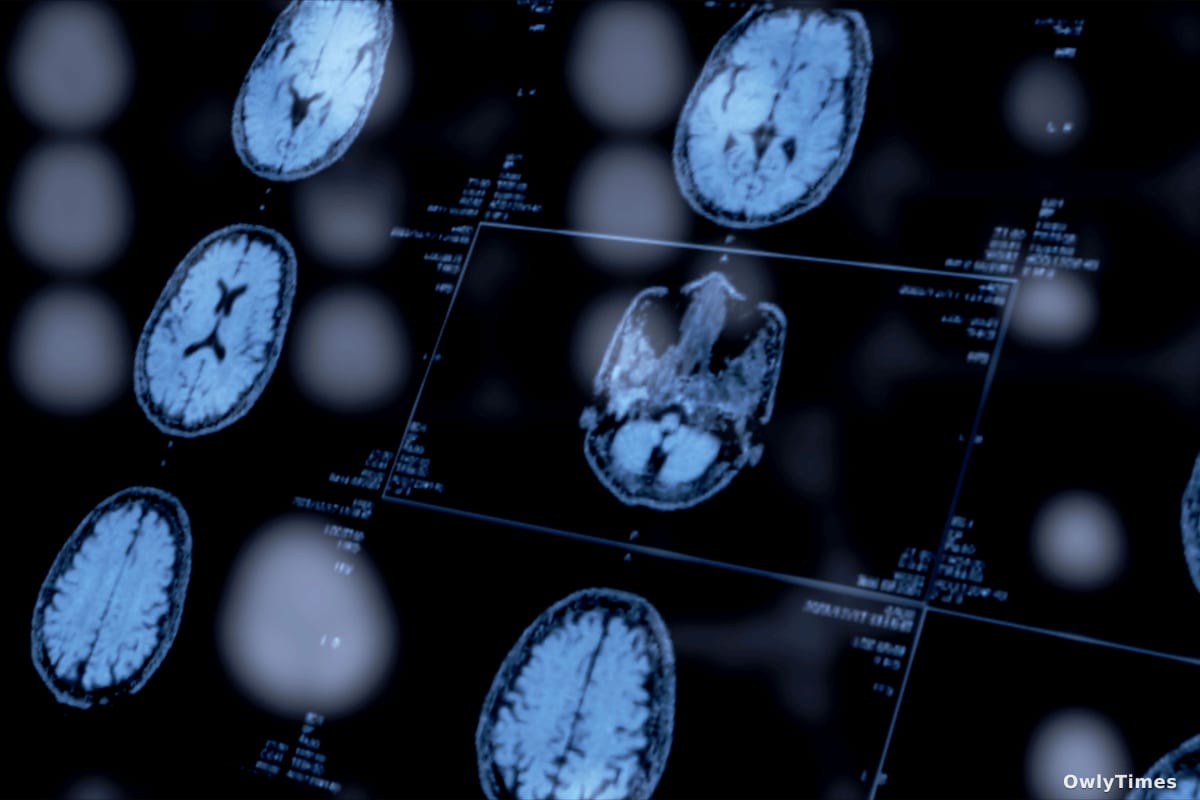

The persistent struggle to objectively diagnose and treat mental illness has long felt like navigating a fog. While other areas of medicine rely heavily on quantifiable data – blood tests, imaging scans, genetic markers – psychiatry has historically depended on subjective reports of symptoms. But a shift may be on the horizon. The recent acknowledgement by the American Psychiatric Association (APA) that biological indicators, or biomarkers, could be integrated into future diagnostic criteria isn’t simply a technical adjustment; it’s a fundamental questioning of how we understand the very nature of mental health, and a potential pathway toward more precise, personalized care. The conversation isn’t about if biology influences mental health, but how to reliably measure that influence and translate it into clinical practice.
The story of Amanda Miller, a neuroscientist from Hershey, Pennsylvania, powerfully illustrates this point. After developing postpartum depression following the birth of her second child, she endured a frustrating two-year cycle of trying various antidepressants and antipsychotics with no relief. It wasn’t until her primary care physician identified elevated autoimmune markers that a diagnosis of lupus – an autoimmune disease – was made, and treatment with an anti-inflammatory steroid finally brought both her physical and mental symptoms under control. Miller’s experience, while anecdotal, highlights a growing body of research suggesting that underlying physical health conditions, particularly those involving inflammation, can significantly contribute to mental illness, and that addressing those conditions can be crucial for effective treatment. This isn’t to say depression is “all in your head,” but rather that the “head” and the “body” are inextricably linked.
Original reporting: kffhealthnews.org.
The APA’s January paper outlining potential biomarker integration into the Diagnostic and Statistical Manual of Mental Disorders (DSM) – often referred to as “psychiatry’s bible” – is a significant step, but it’s crucial to understand what the paper actually proposes versus what headlines suggest. The paper doesn’t announce the immediate arrival of diagnostic blood tests for depression or schizophrenia. Instead, it explores how biomarkers – encompassing brain activity measurements, genetic profiles, and immune markers – could be incorporated into future DSM revisions. Jonathan Alpert, vice chair of the APA’s Future DSM Strategic Committee, emphasizes that adding biomarkers would be “a very big deal,” potentially streamlining insurance coverage and accelerating accurate diagnoses. The current process of “trial and error” in prescribing psychiatric medications, where roughly 30% of patients experience symptom relief with their first antidepressant, could be refined by identifying biological factors that predict treatment response.
However, the path to biomarker-driven psychiatric care is fraught with challenges. The APA paper itself stresses that psychiatric biomarkers aren’t yet ready for widespread use, acknowledging decades of research yielding limited conclusive results. Validating these metrics – proving they are consistently accurate and reliable – requires a “coordinated, well-funded” research effort, a prospect complicated by recent cuts to National Institute of Mental Health funding. A 2025 analysis revealed at least 128 grants, totaling almost $173 million, were canceled, raising concerns among researchers about the stability of their work. This funding uncertainty directly impacts the pace of discovery and the ability to replicate findings, essential for establishing scientific consensus.
Beyond the scientific hurdles, practical considerations loom large. While biomarker testing is becoming increasingly common in fields like oncology and Alzheimer’s disease diagnosis – with some states now mandating insurance coverage – the cost of these tests could initially increase healthcare spending, according to Matthew Eisenberg of Johns Hopkins University. Insurers may be hesitant to cover expensive tests until their clinical utility is firmly established. Furthermore, concerns about potential discrimination based on genetic or biological profiles have been raised by bioethicists like Gabriel Lázaro-Muñoz of Harvard Medical School, highlighting the need for proactive legislative protections and clinician training. The potential for misuse of this information – by insurers, employers, or even within the legal system – is a serious ethical consideration that must be addressed.
The current political climate adds another layer of complexity. Robert F. Kennedy Jr., as Health and Human Services Secretary, has been critical of psychiatric medications and is reportedly analyzing prescription trends and alternative treatments, particularly for children. While a re-evaluation of existing practices is valuable, his past unsubstantiated claims linking antidepressants to violence raise concerns about the potential for politically motivated interference in scientific research and clinical guidelines. The tension between embracing scientific advancements and responding to public anxieties – often fueled by misinformation – is a critical dynamic to watch.
The APA’s move signals a recognition that the current approach to mental healthcare isn’t sufficient. But the field isn’t prepared for a wholesale transformation. The next crucial steps involve not only continued research into biomarker identification and validation, but also robust discussions about ethical implications, equitable access to testing, and the development of clear guidelines for clinical implementation. We should be watching for the emergence of pilot programs that integrate biomarker testing into routine psychiatric care, and carefully evaluating their impact on patient outcomes, healthcare costs, and potential disparities. The question isn’t simply when biomarkers will become part of psychiatric practice, but how we can ensure they are used responsibly and effectively to improve the lives of those struggling with mental illness.